Restoring Three Historic Sash Windows on a Mid-18th Century Building in Spilsby


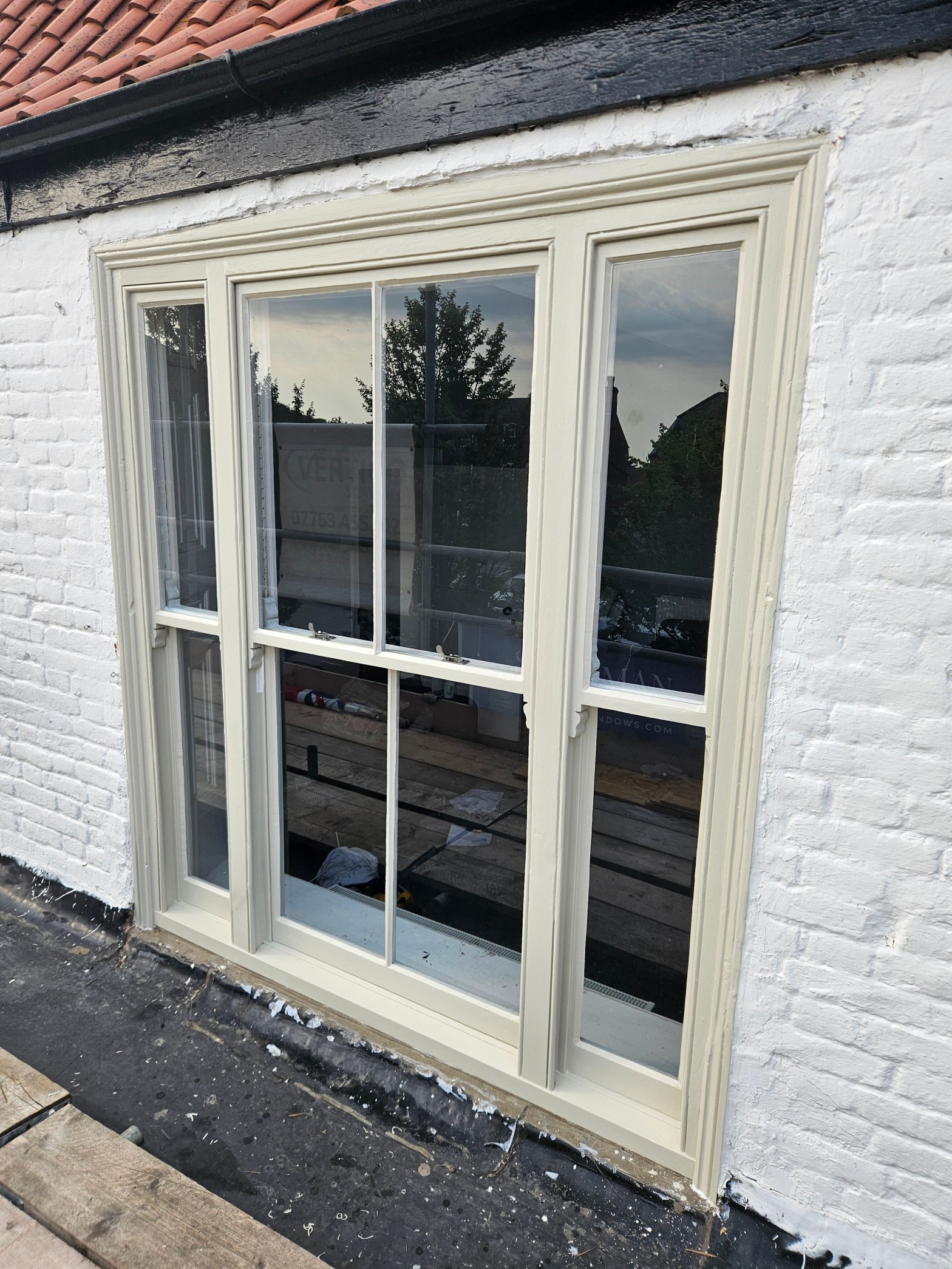
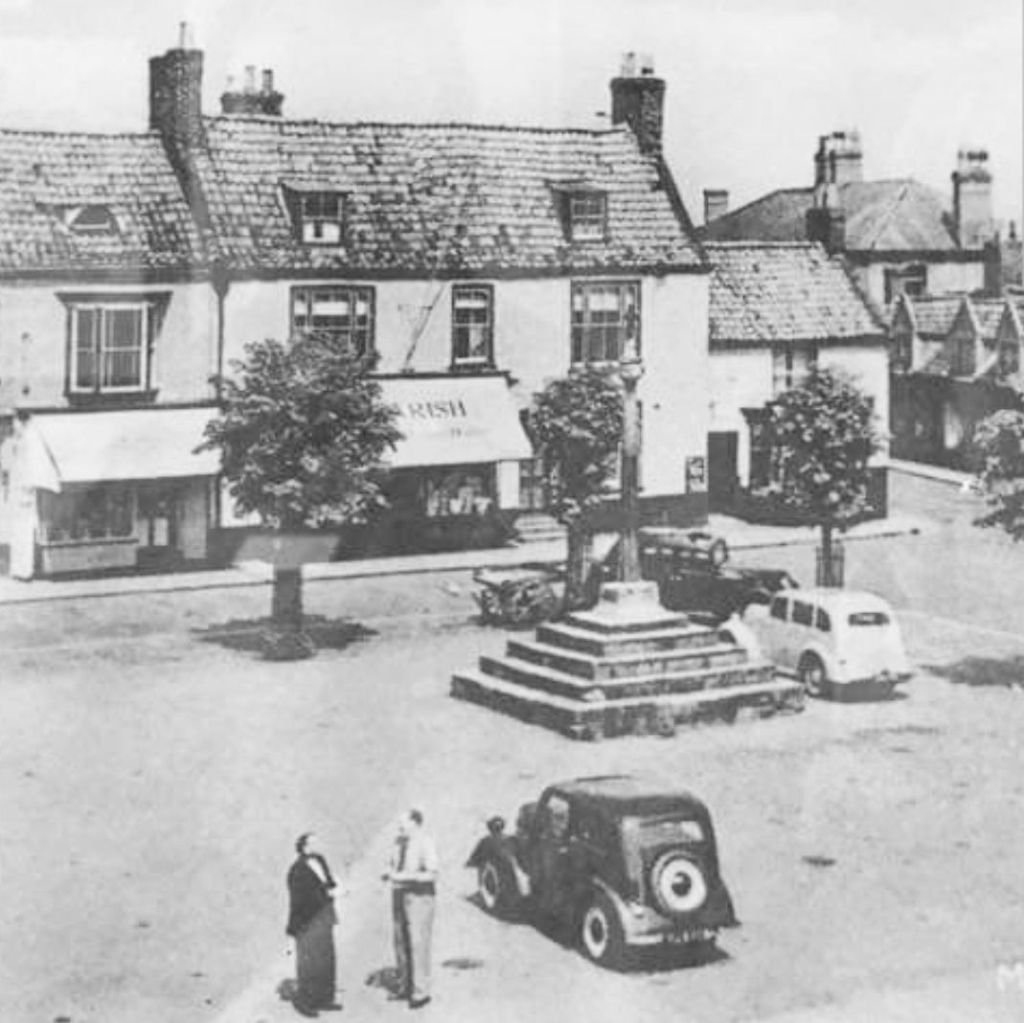
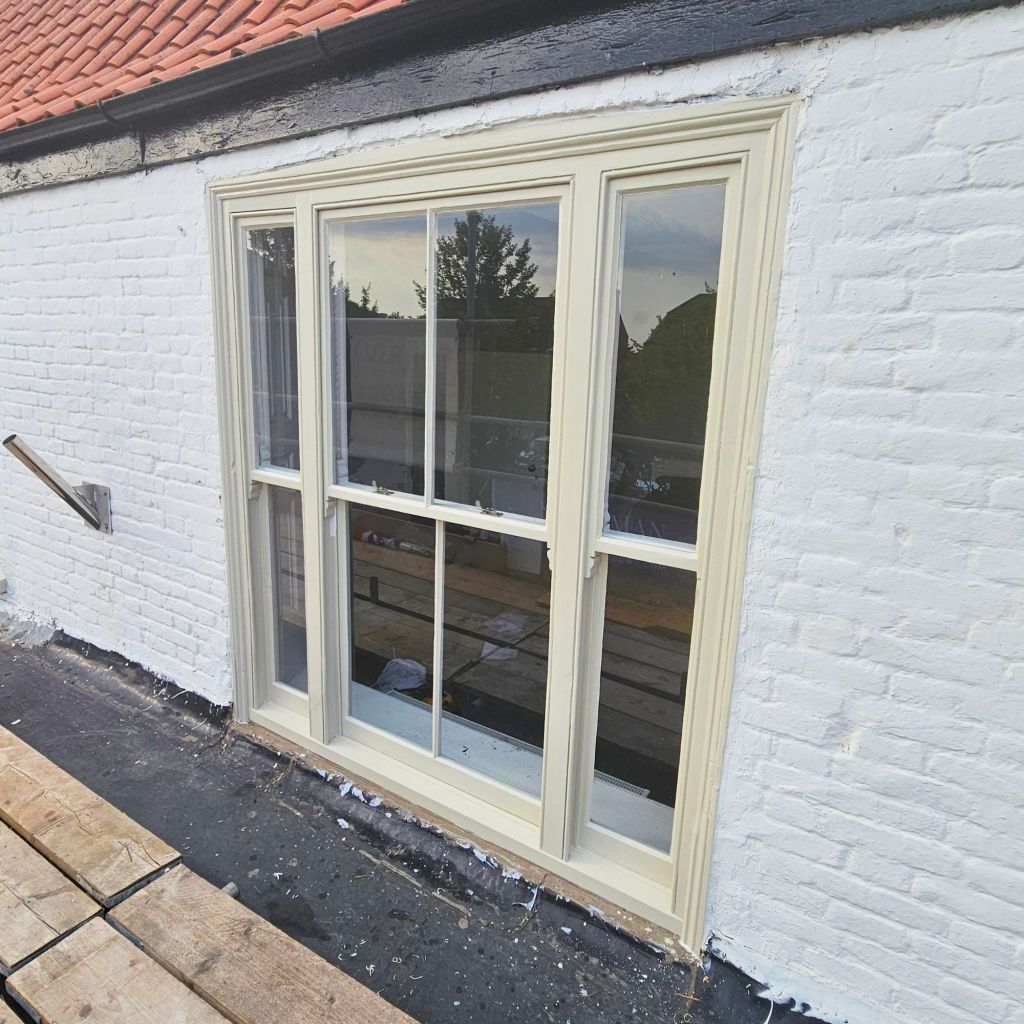
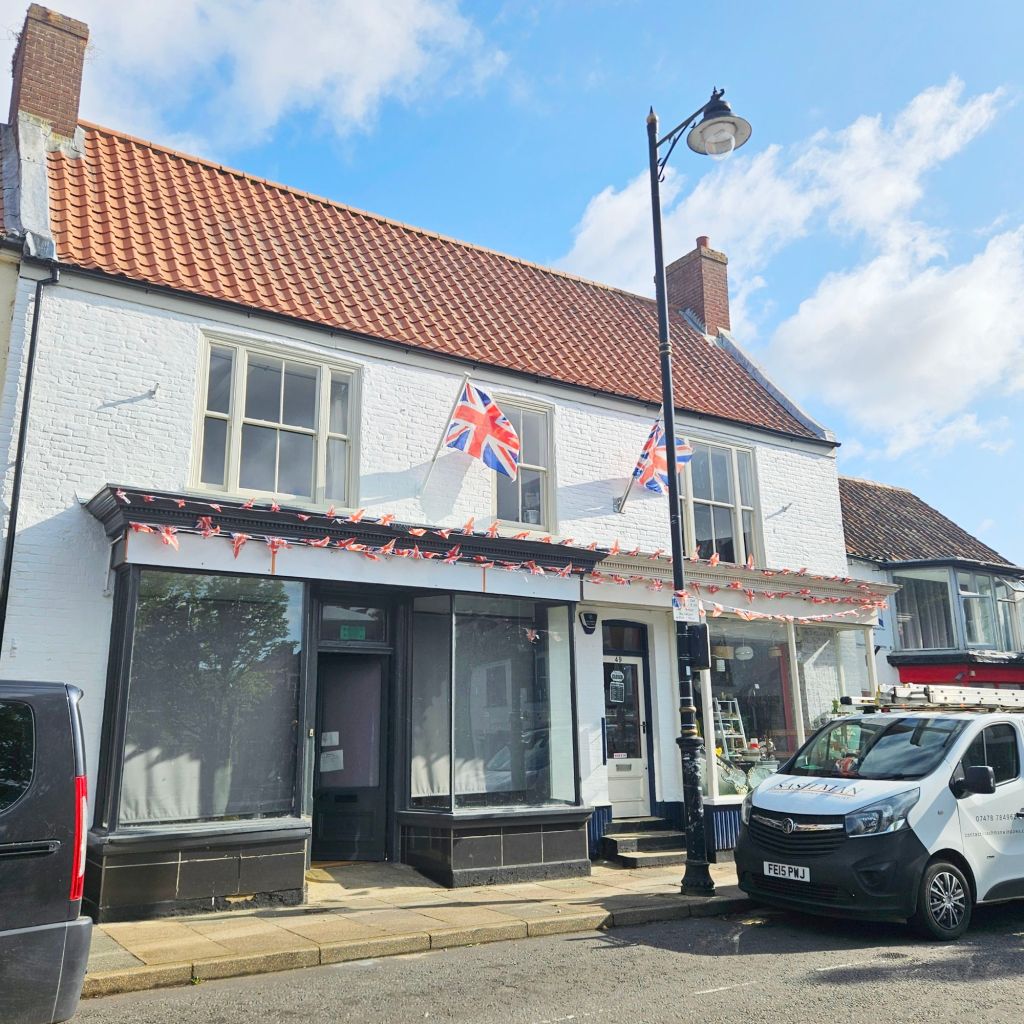
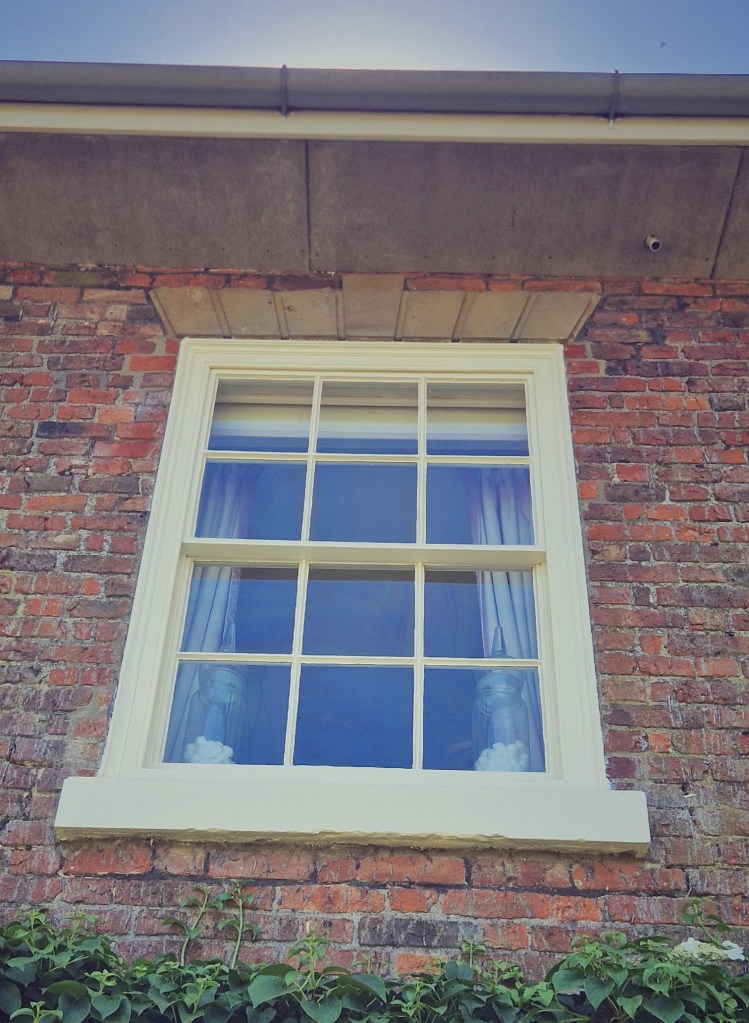
Right in the centre of Spilsby stands a familiar building. It began life as a Georgian townhouse, later became two shops, and is now a much-loved part of the market square. The old photograph from the 1940s shows how long these first-floor sash windows have been part of the town.

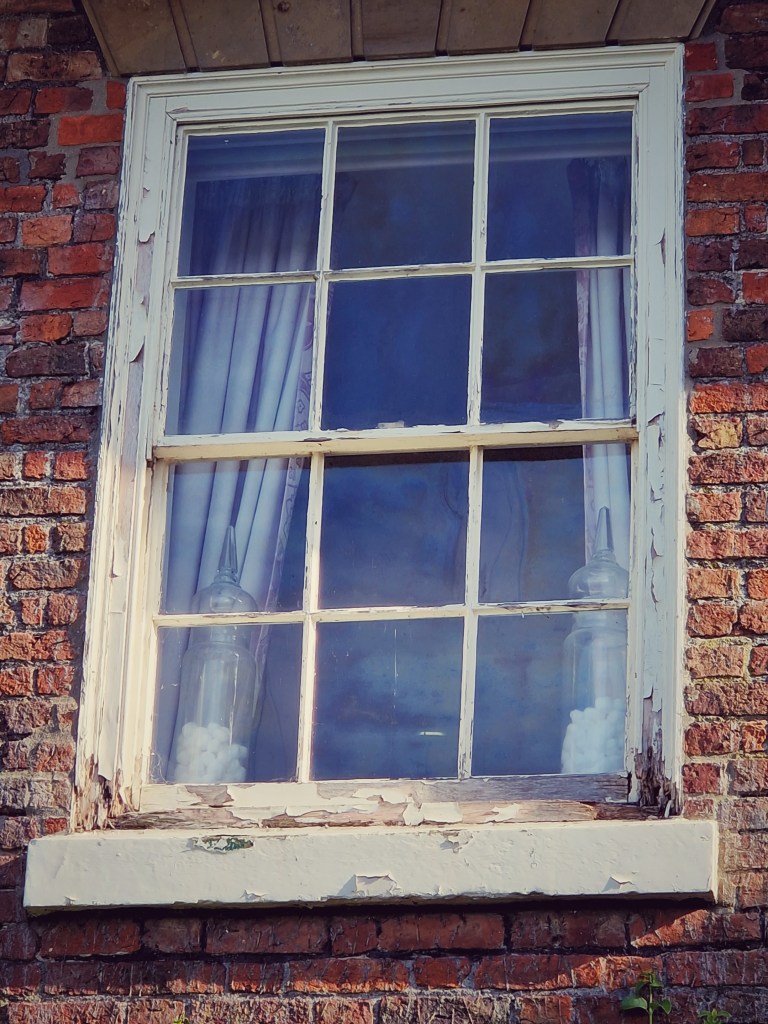
When I was asked to restore the three windows on the front elevation, it was clear they had been through a lot. Modern paints, heat damage, patch repairs and the simple passage of time had all taken their toll.

A Tough First Look

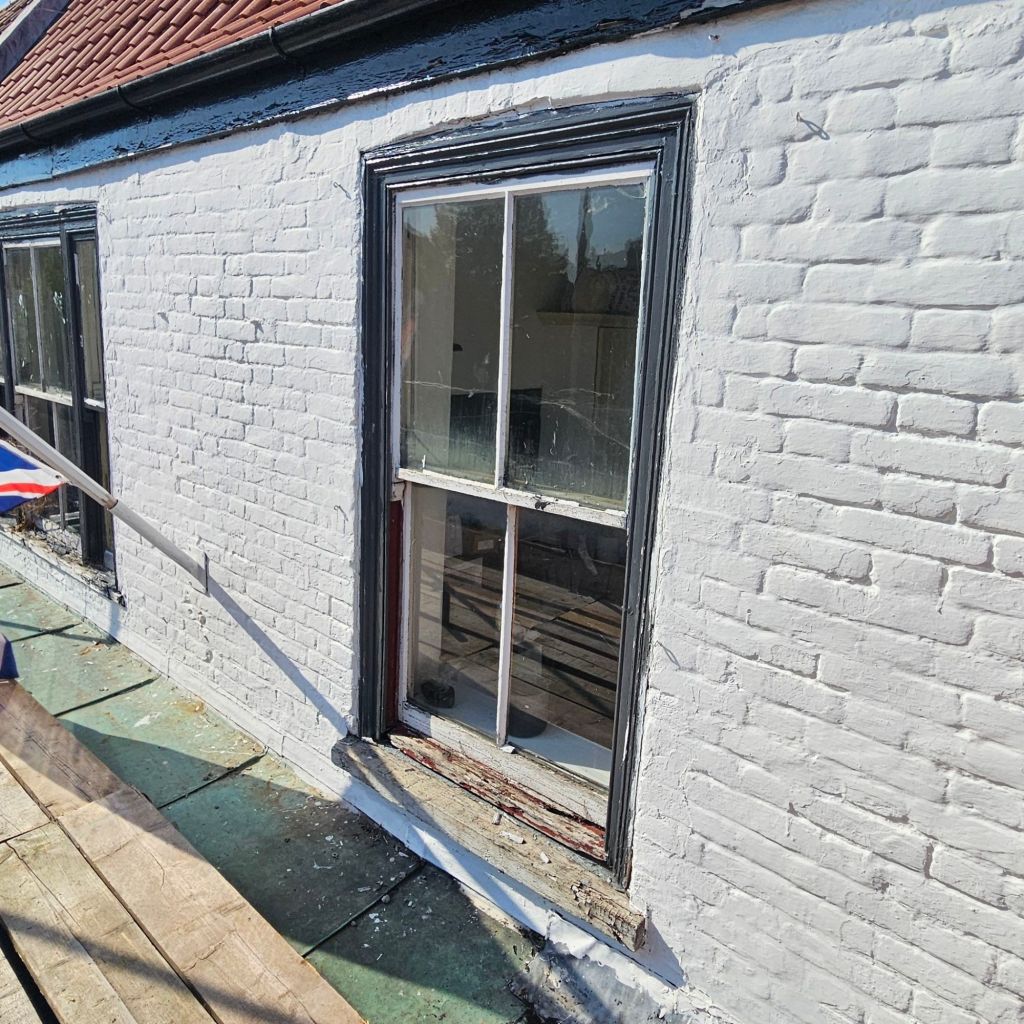
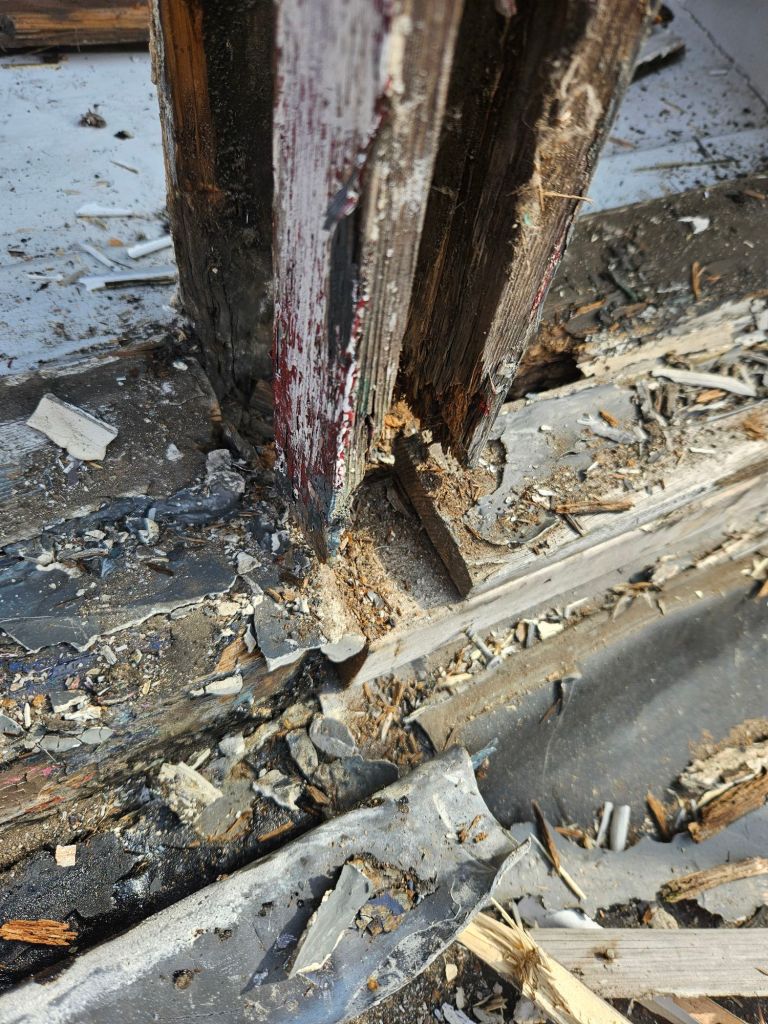
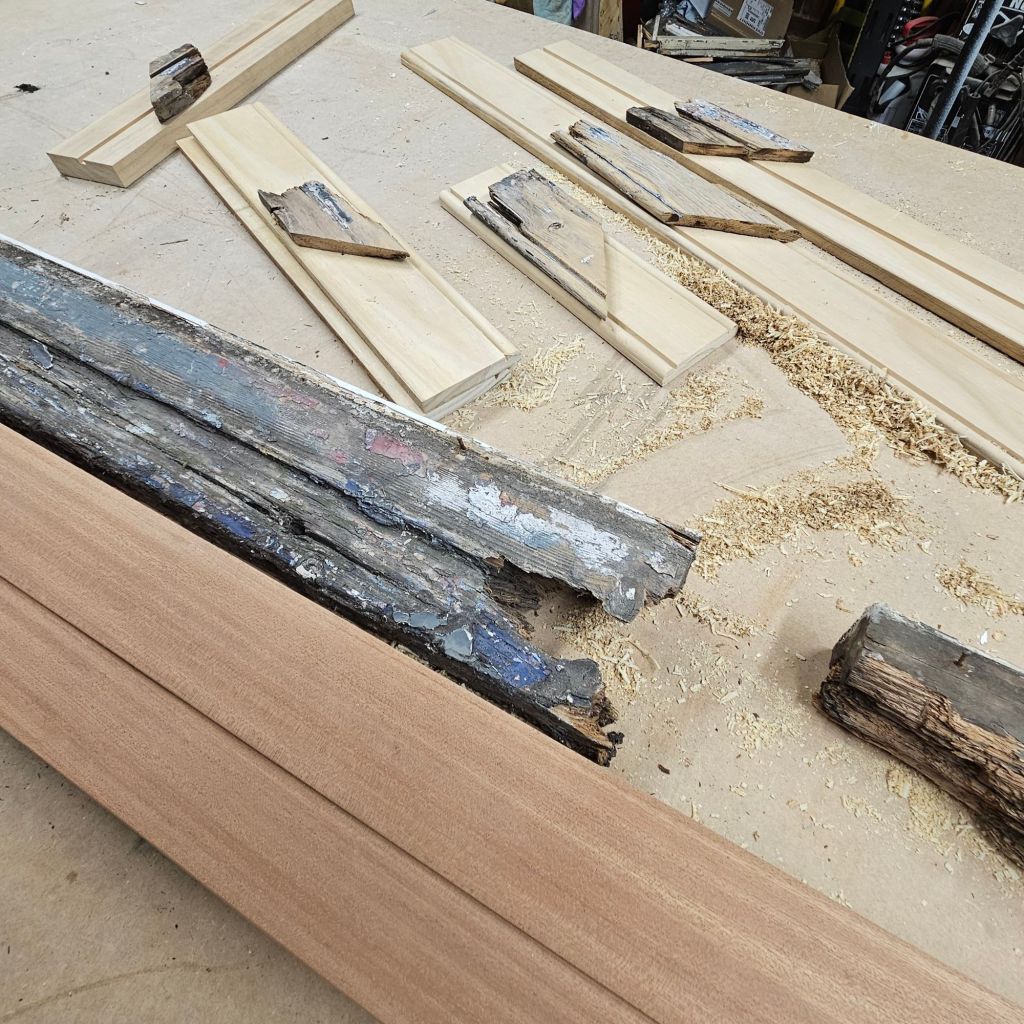
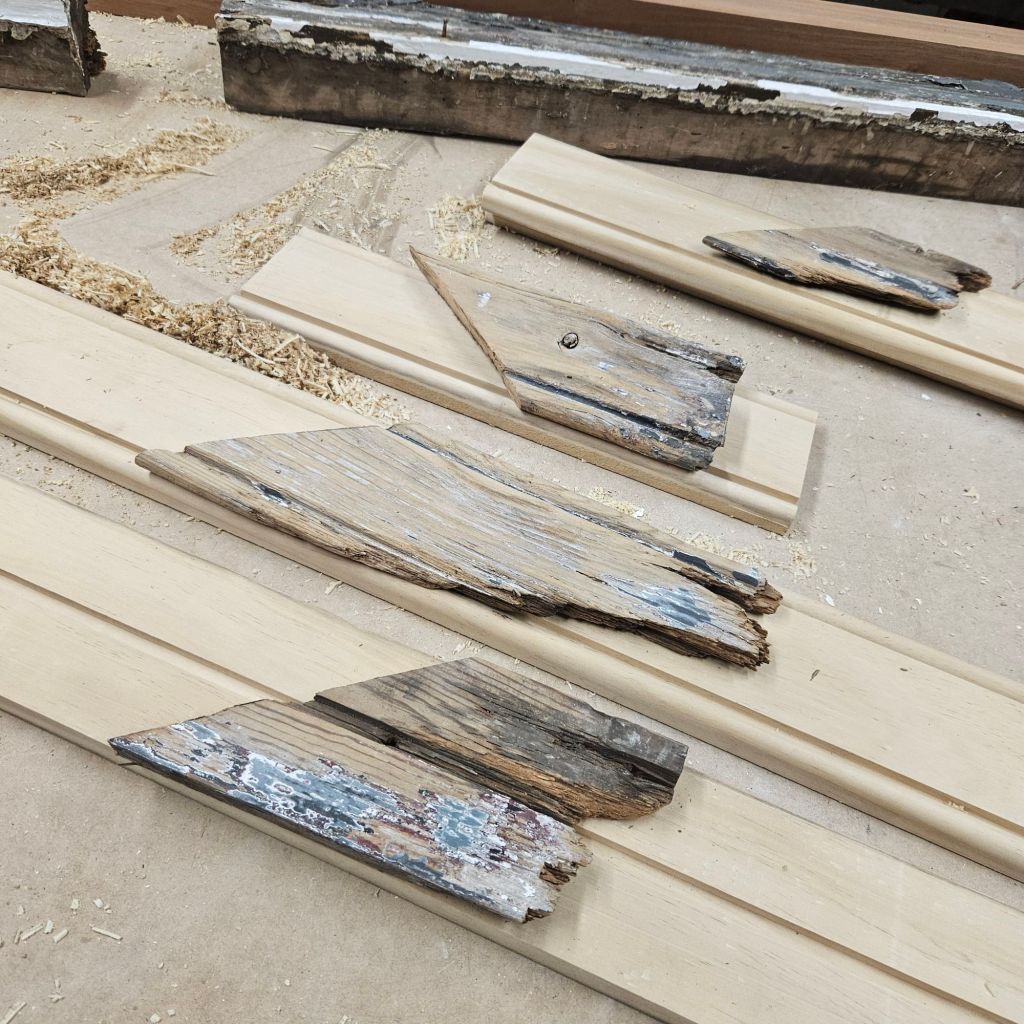
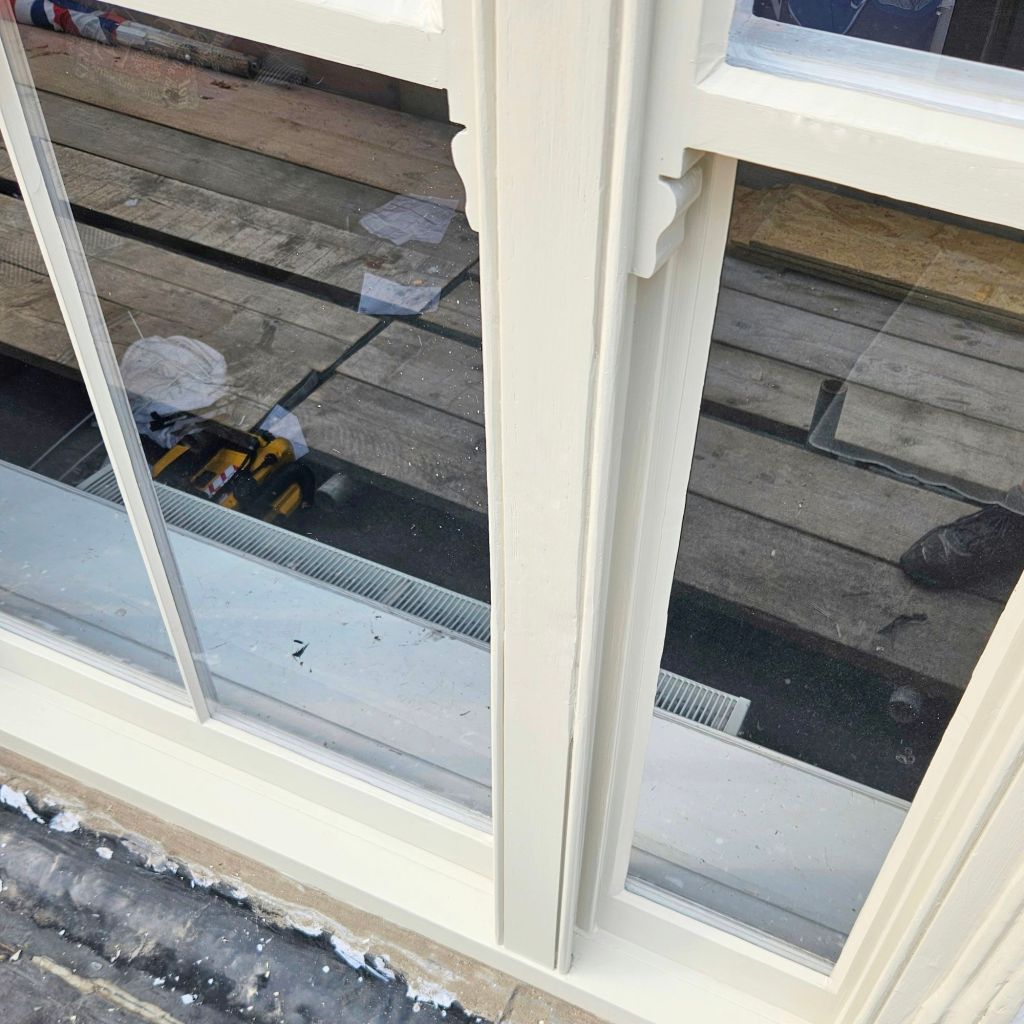
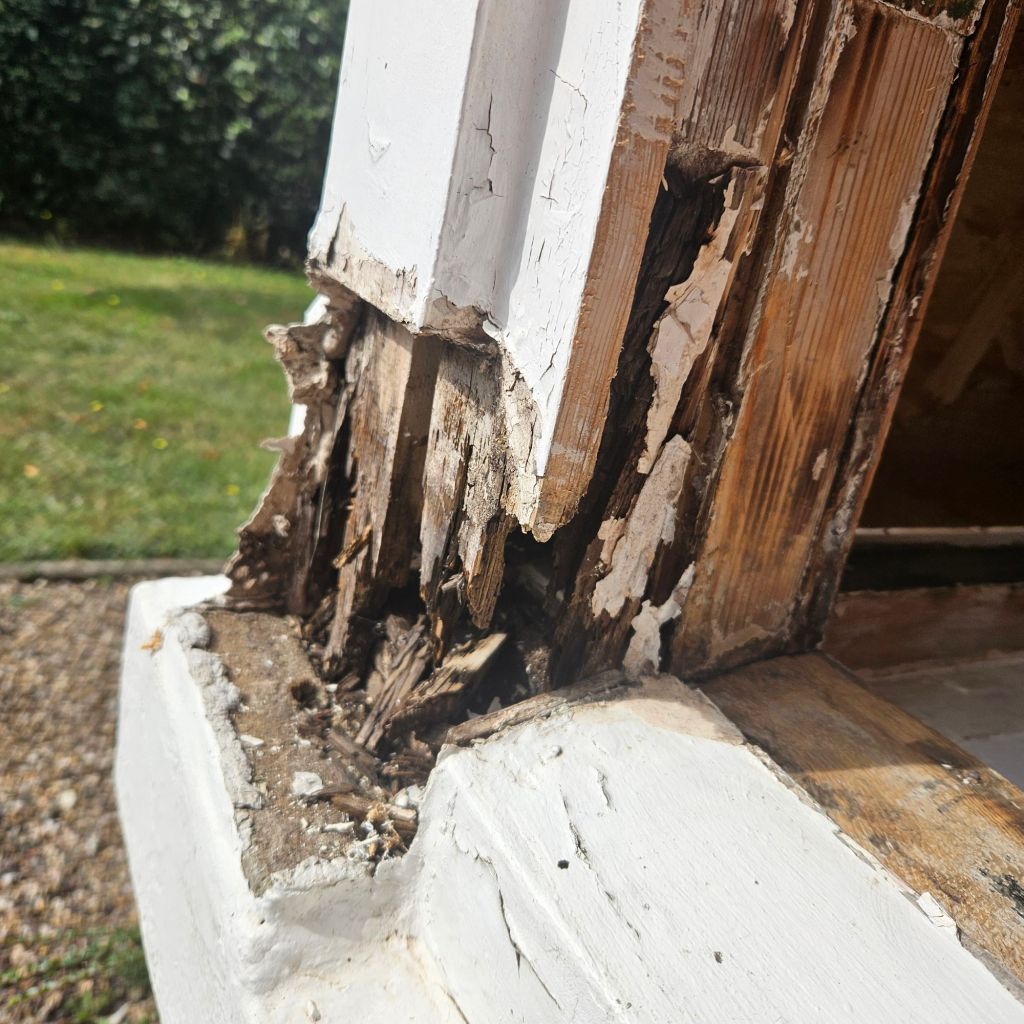
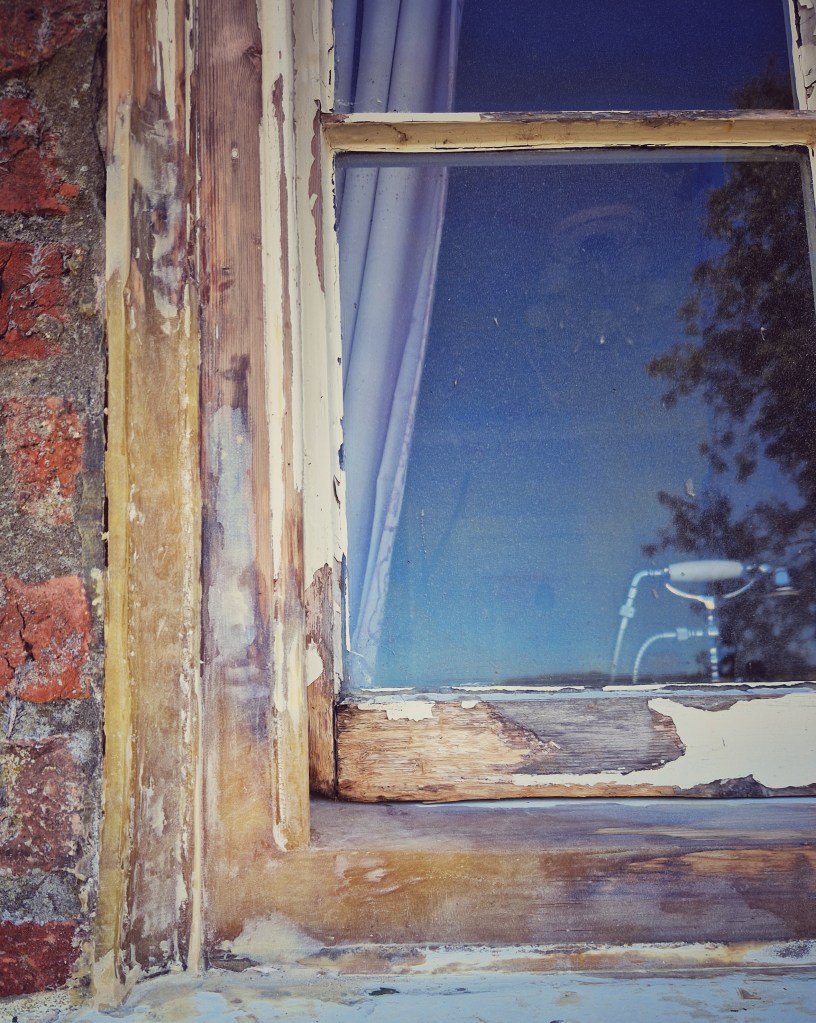
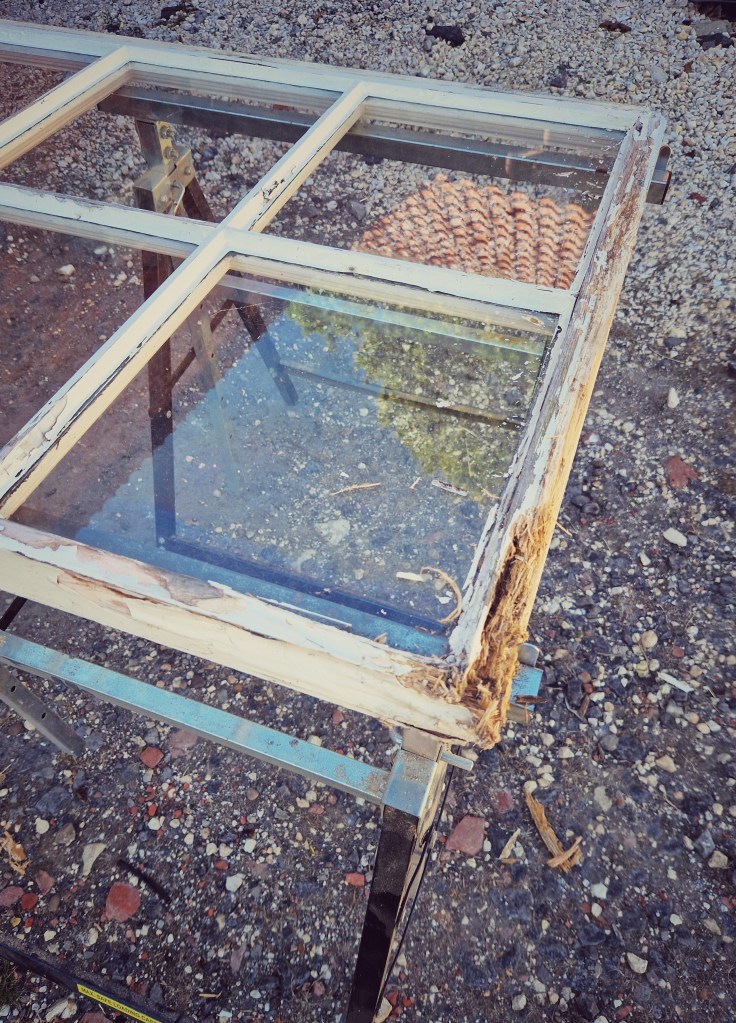
Every sill on all three windows was completely rotten. Not just soft. Completely gone. The decay had travelled up into the pulley stiles and lower box sections and in some places the timber crumbled at the lightest touch.

On a building of this age you expect surprises. That is why proper restoration matters. Under the failed paint and filler were sashes and frames that had been made with real skill in the mid-1700s and later adapted in the Victorian and modern periods. They were still worth saving.

Stripping Back and Assessing the Damage

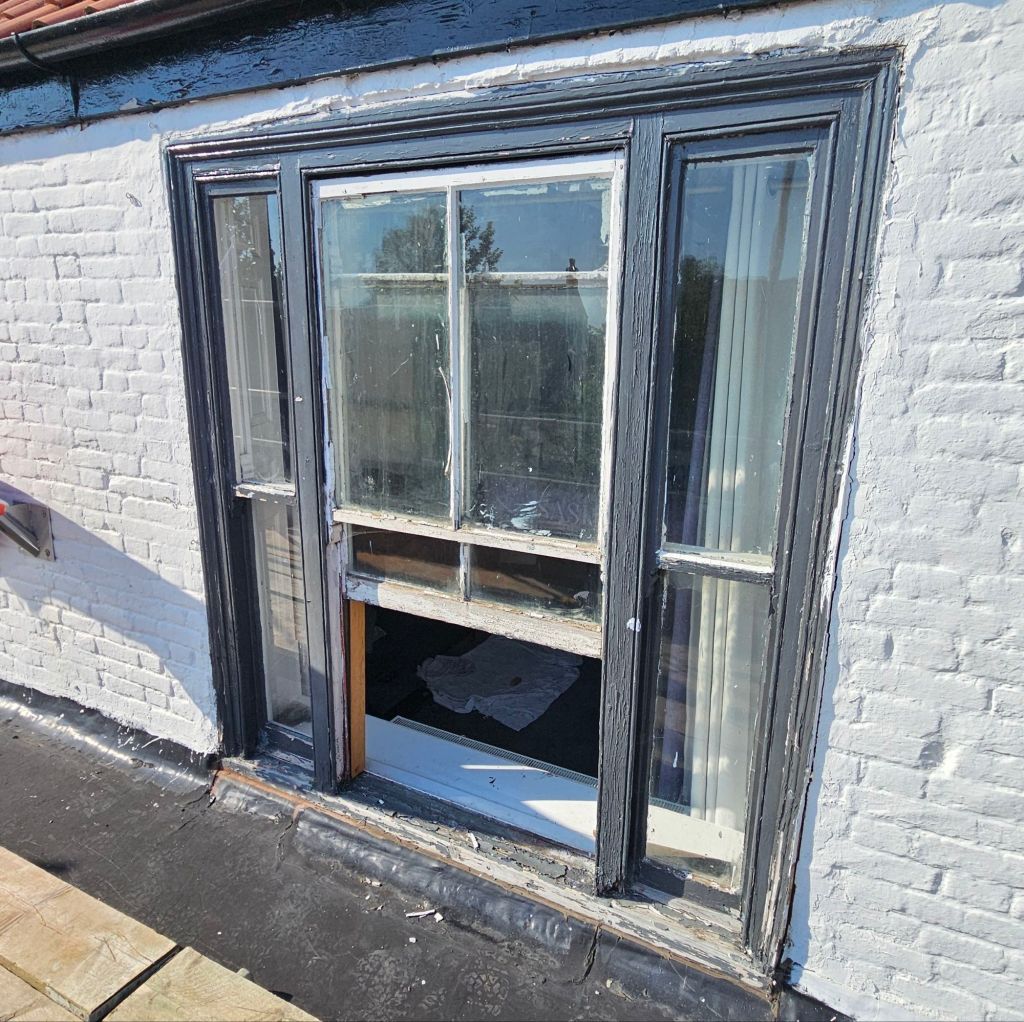
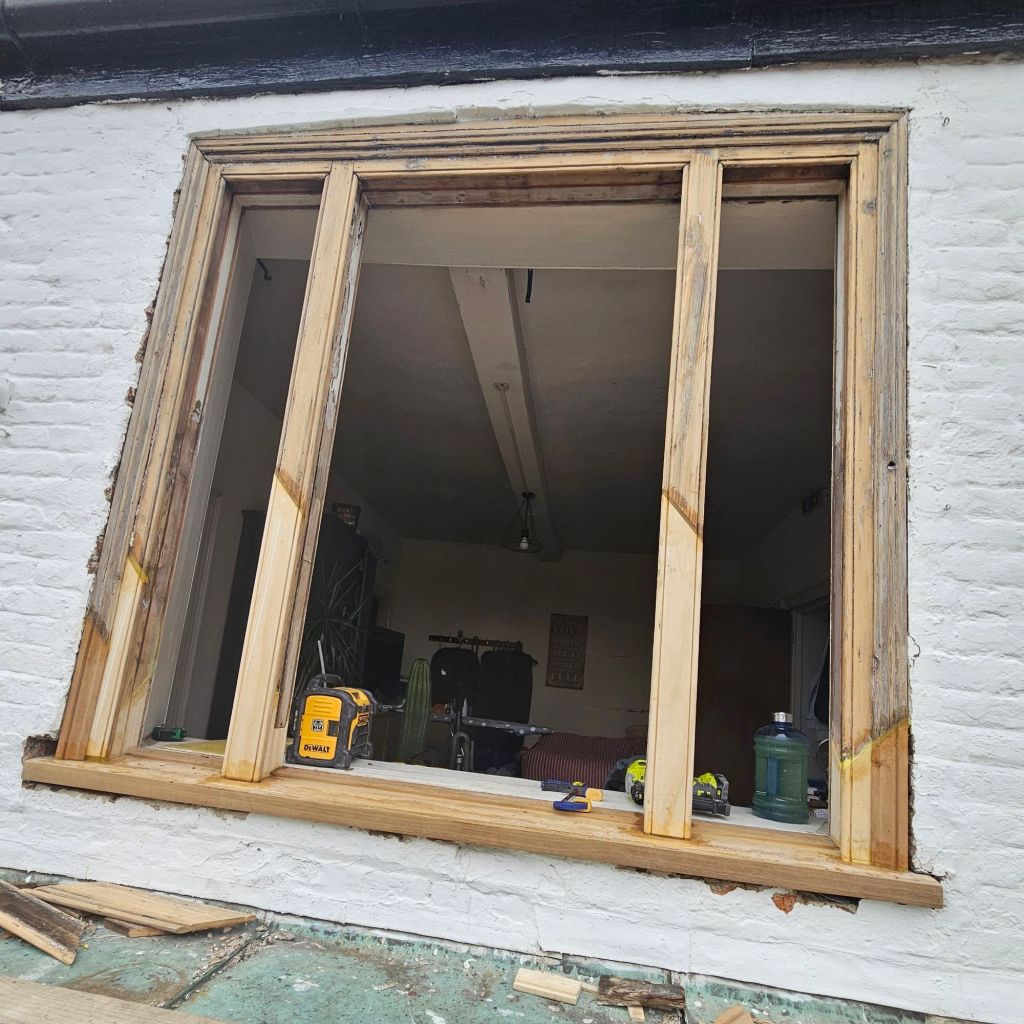
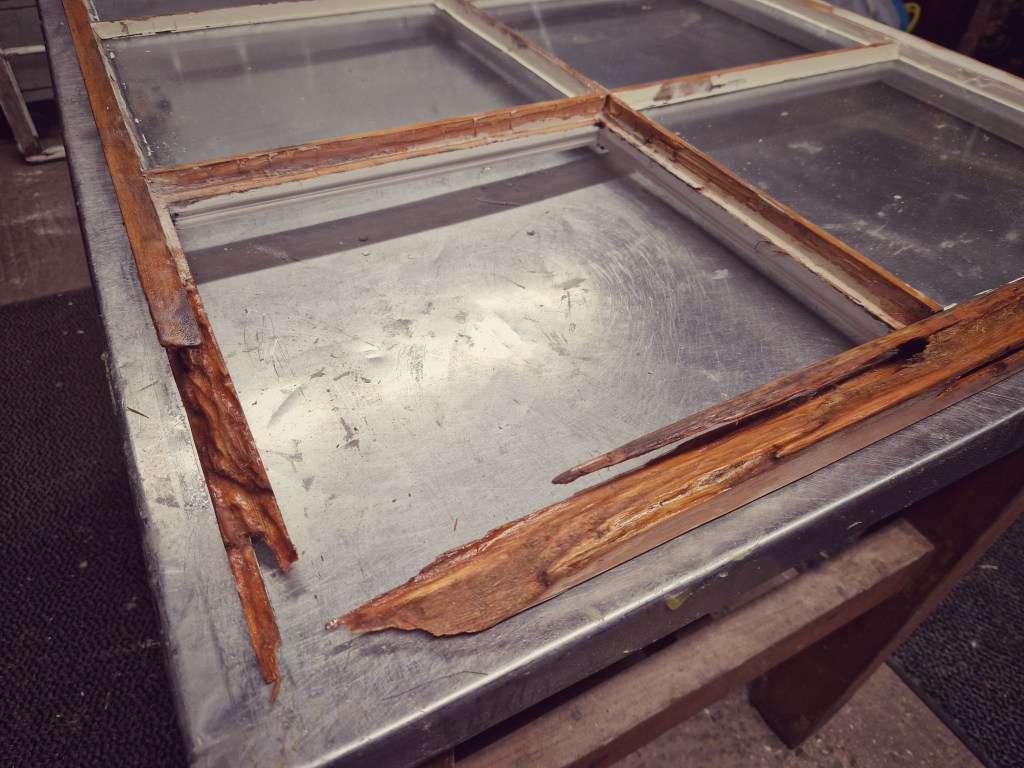
All three windows were taken right back. Sashes removed and taken to the workshop. Frames stripped and cleaned so every joint and section of timber could be inspected clearly.

The bottom ten percent of each window needed a full rebuild.

The sills were completely destroyed.
The lower box frames had deep decay pockets.
Some joints had opened because of repeated thermal movement. The decorator’s use of a dark grey paint had not helped. On a south-facing wall the frames had absorbed huge amounts of heat which caused warping and cracking.

Choosing the Right Materials

For work on historic buildings the materials must be chosen carefully.

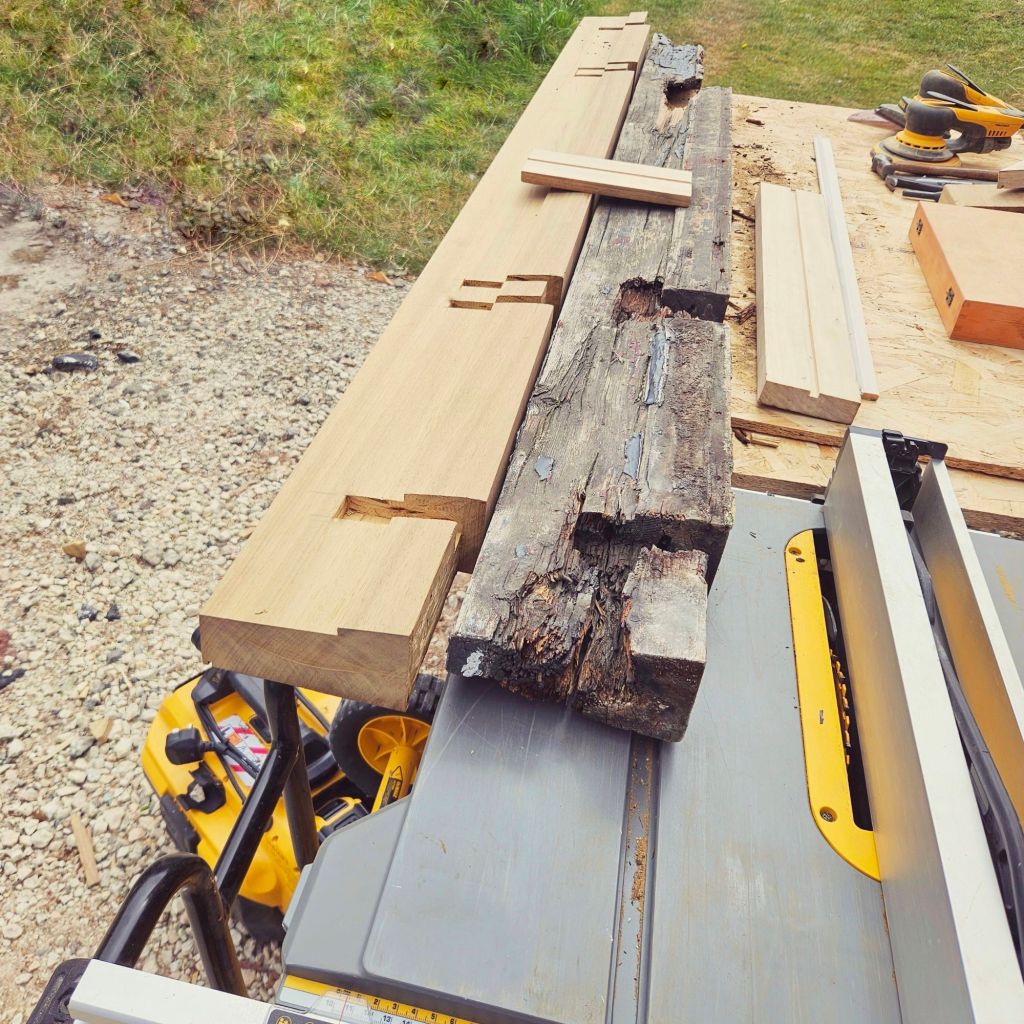
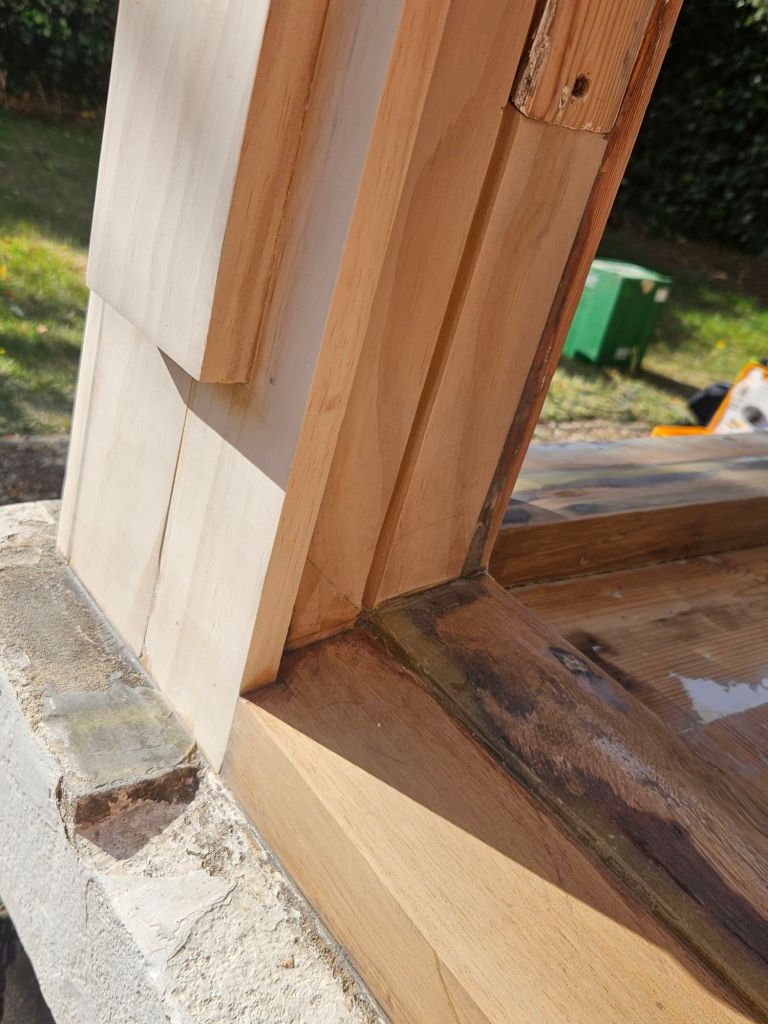
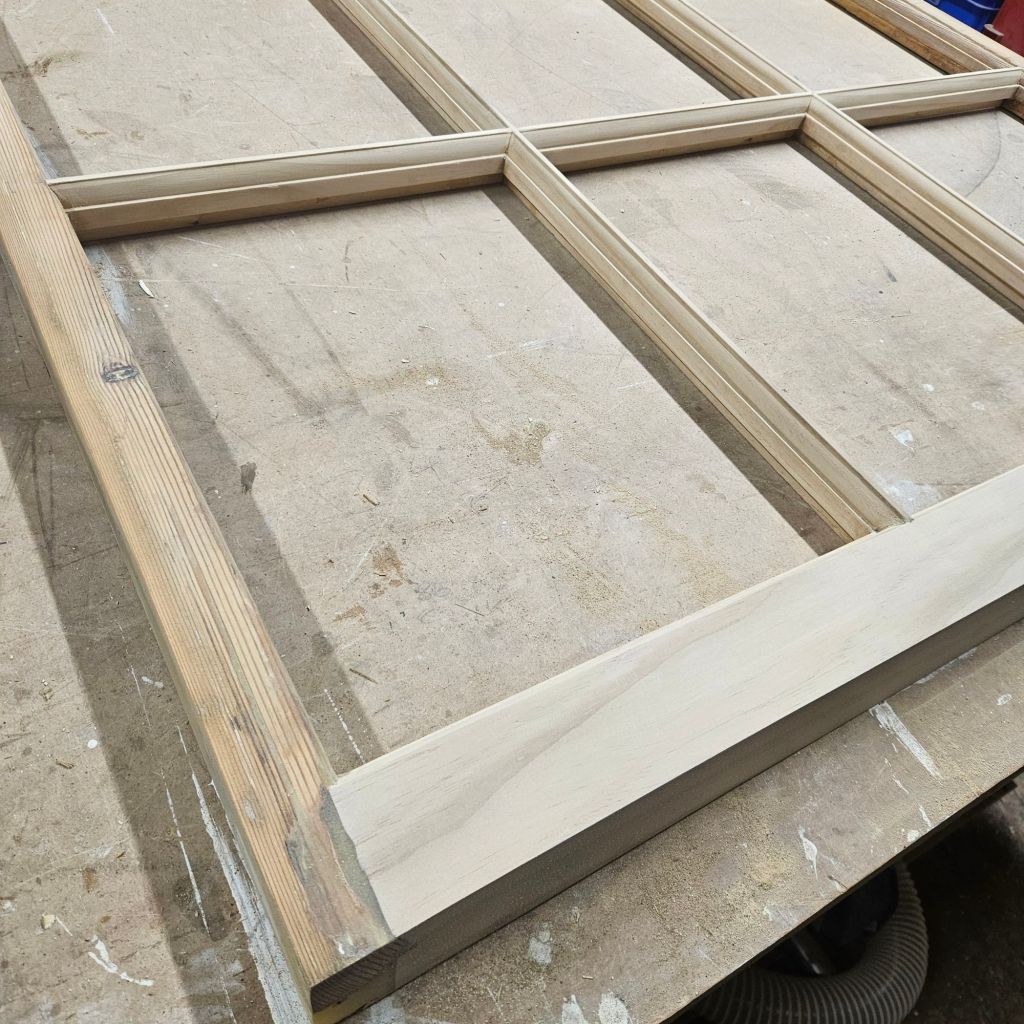
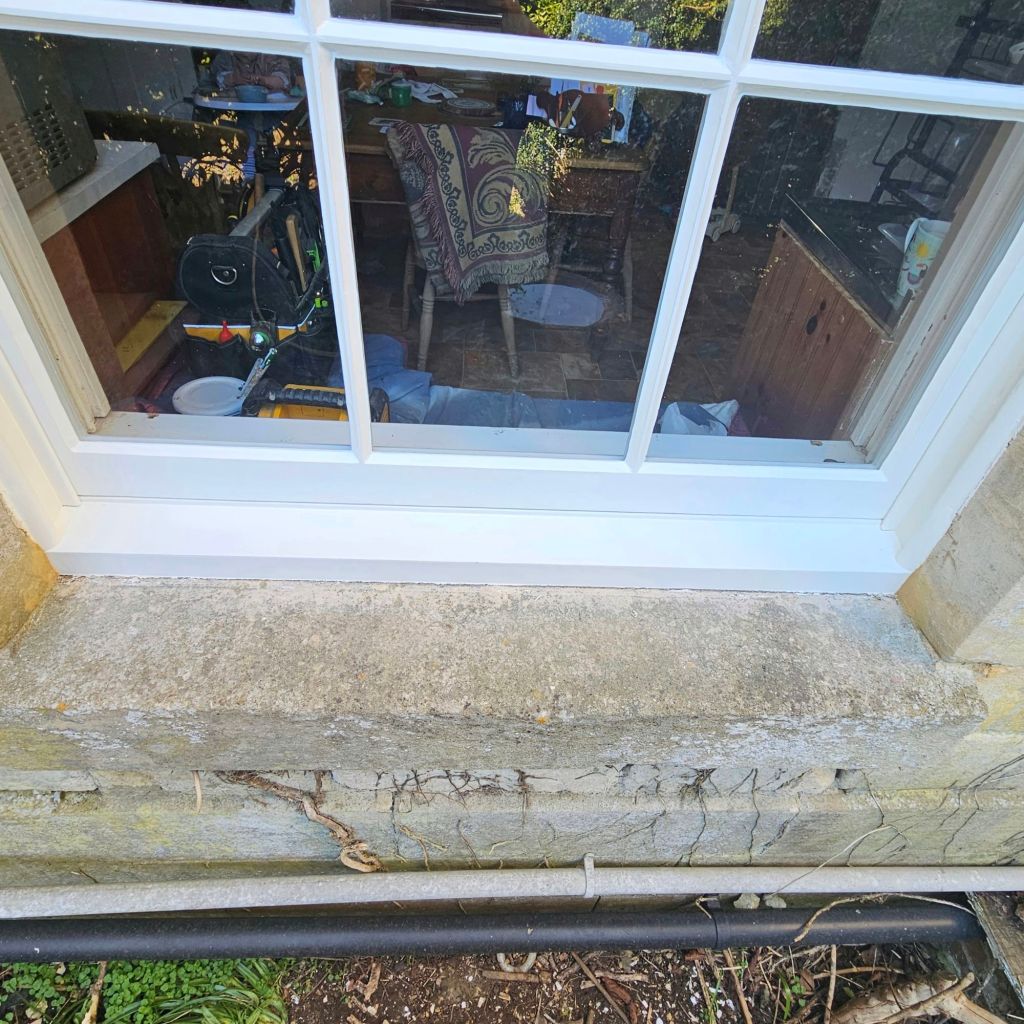
Iroko hardwood was used for the new sills. It is naturally durable, clean to work with and visually suits period joinery. These windows are wide and the new sills were made in one section to match the original profile.

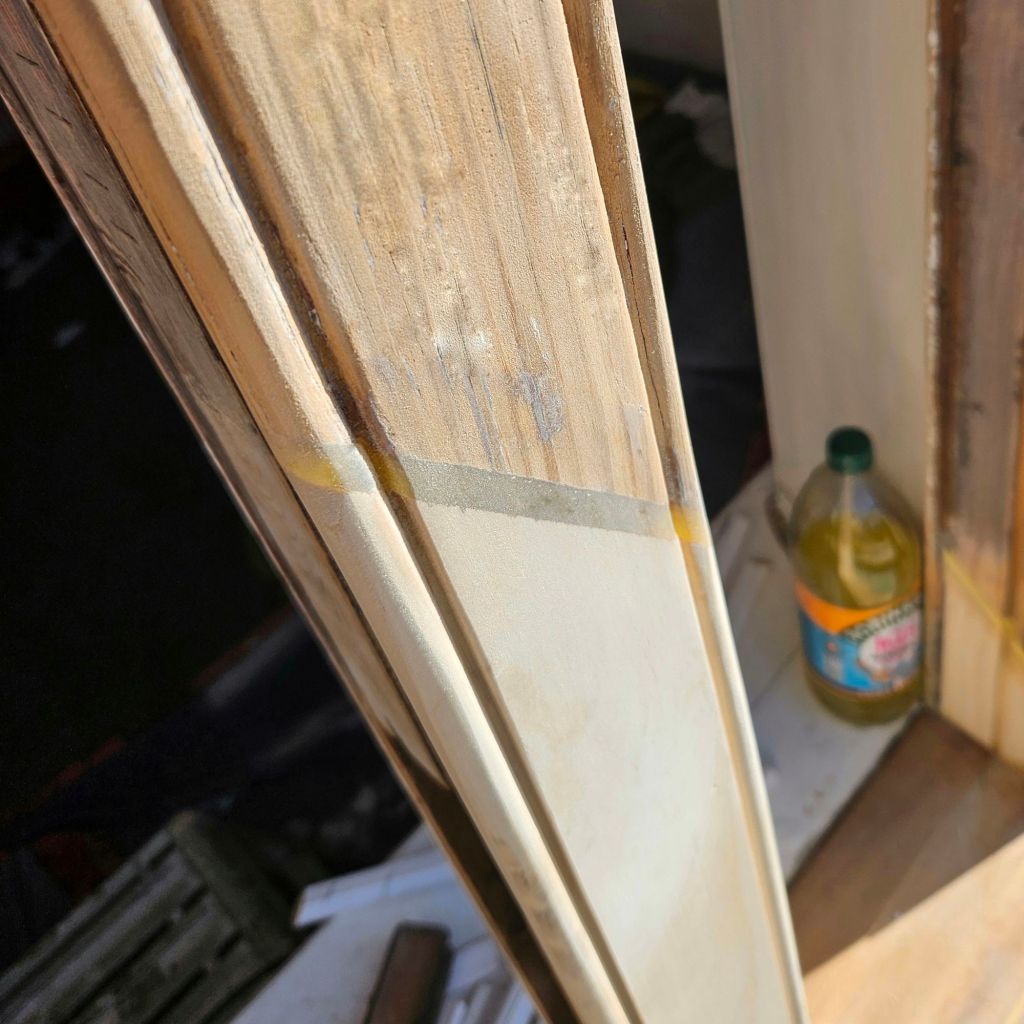
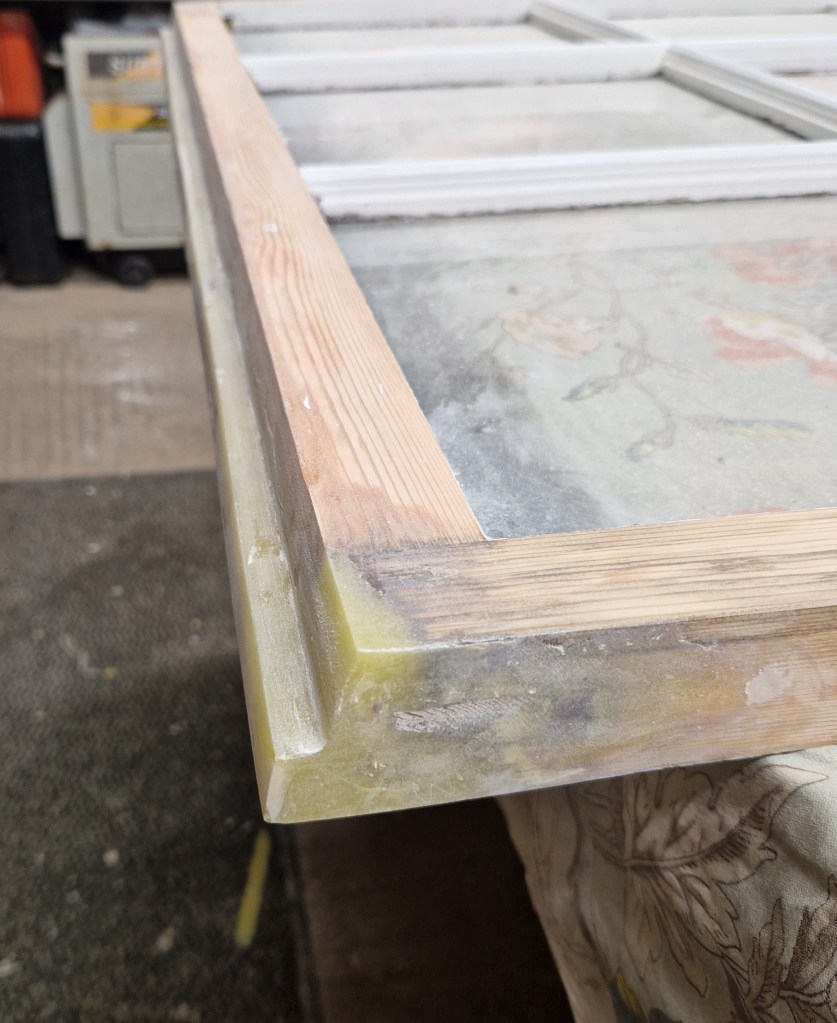
Accoya was used for all donor splices and replacement sections. It is extremely durable and very stable which means it behaves far more like original Georgian timber than most modern softwoods.

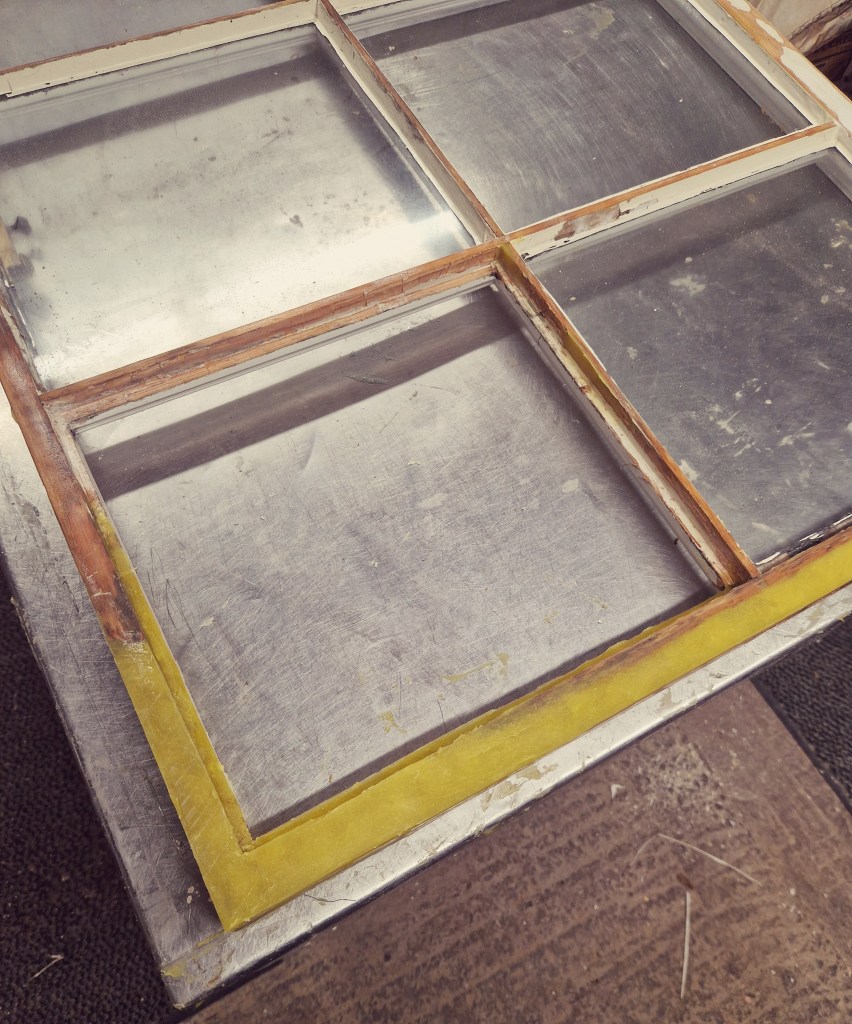
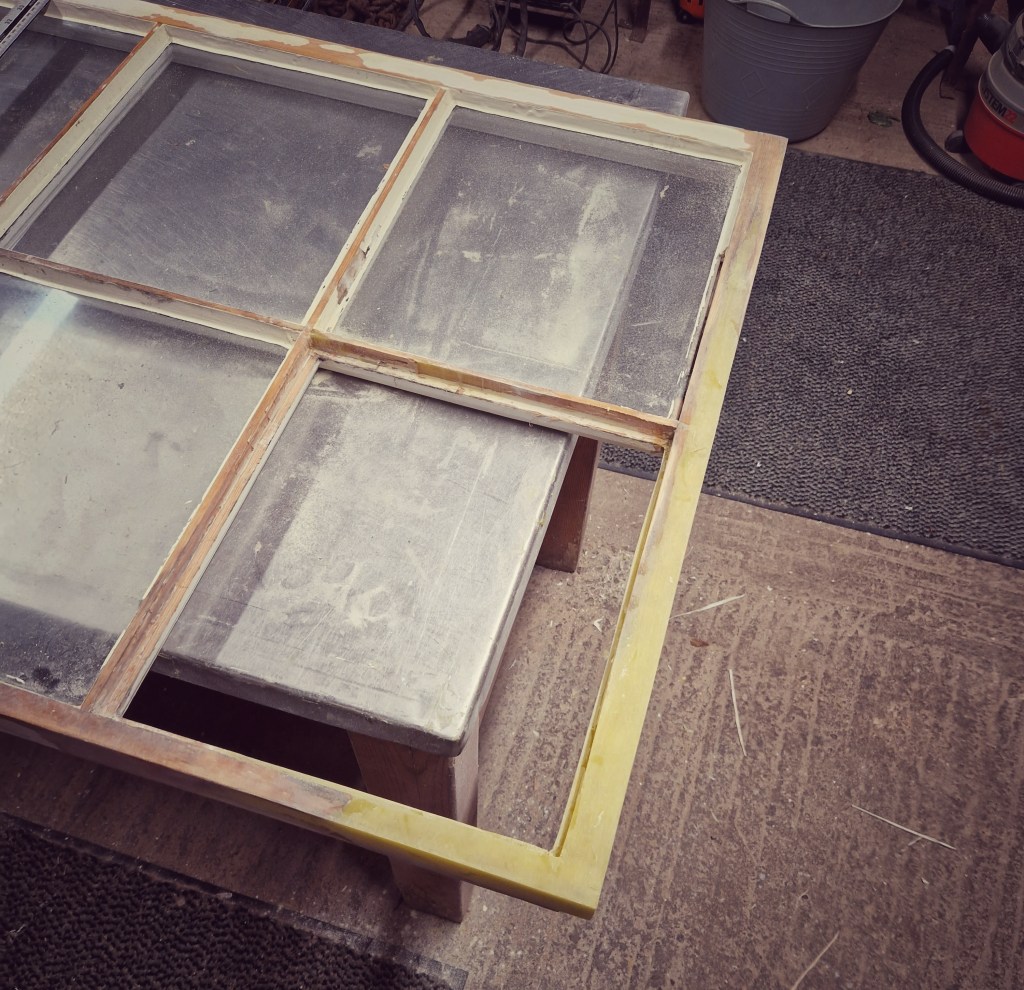
Every splice was bonded using the Repair Care resin system. This creates a flexible and long-lasting joint that will not crack or allow water to creep back in.


Workshop Repairs on the Sashes

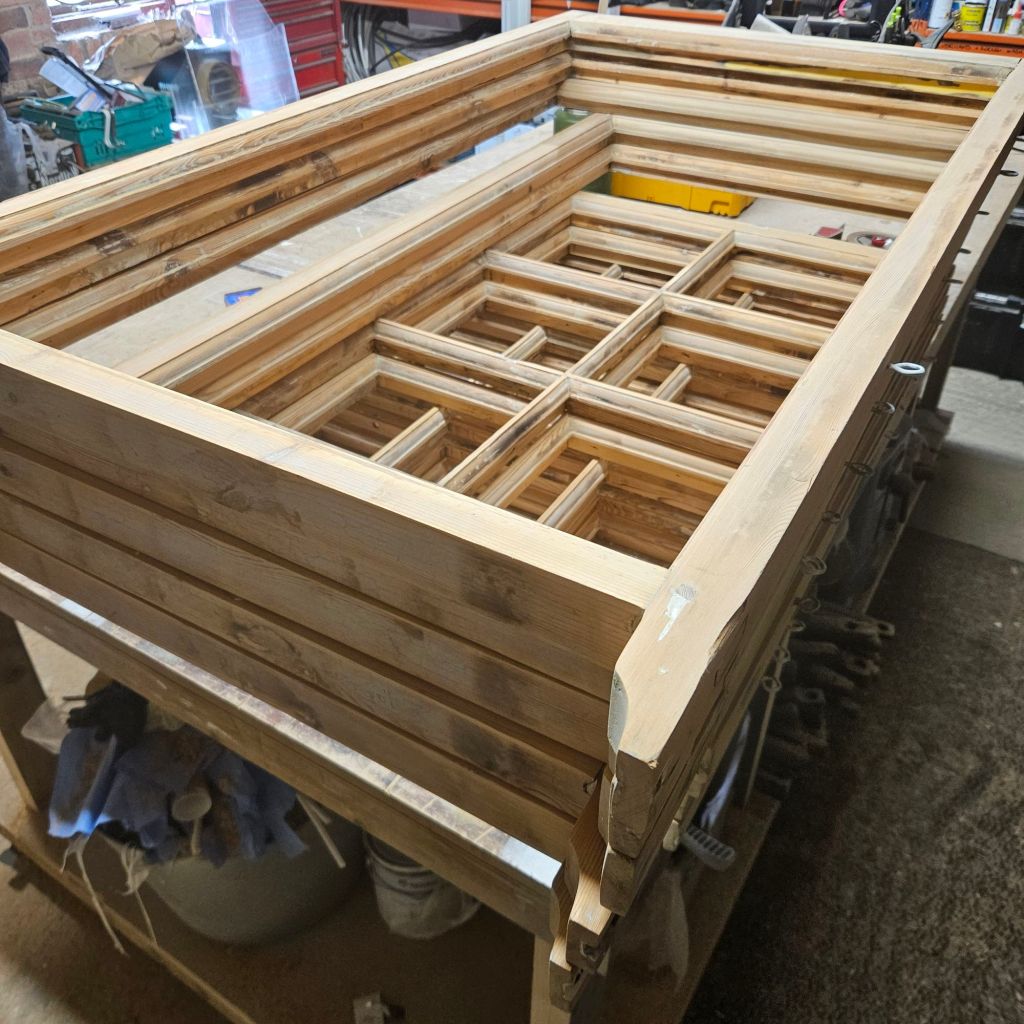
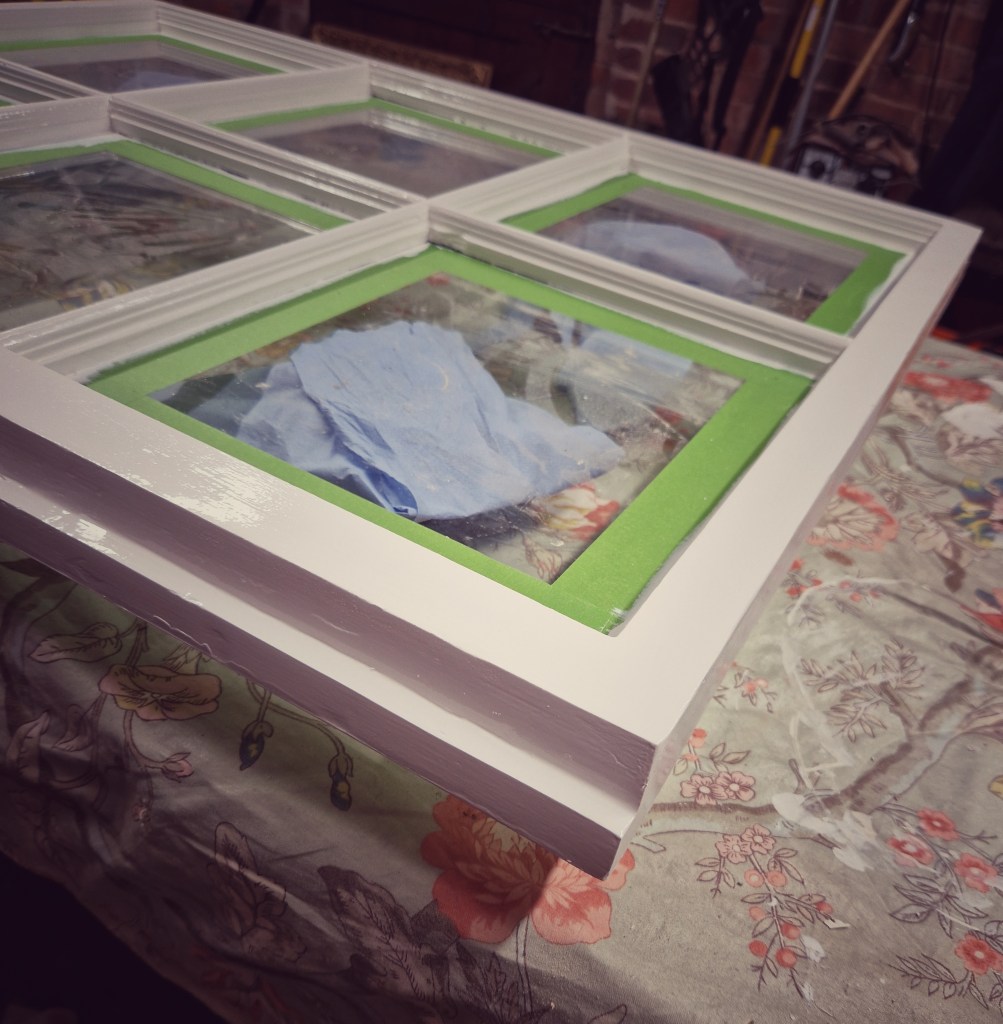
Back at Sash Man HQ, the sashes were stripped down and fully restored.

The original glass was removed and cleaned.
All joints were inspected and resin conservation joints added to strengthen the mortices.
Damaged timber was removed and replaced.
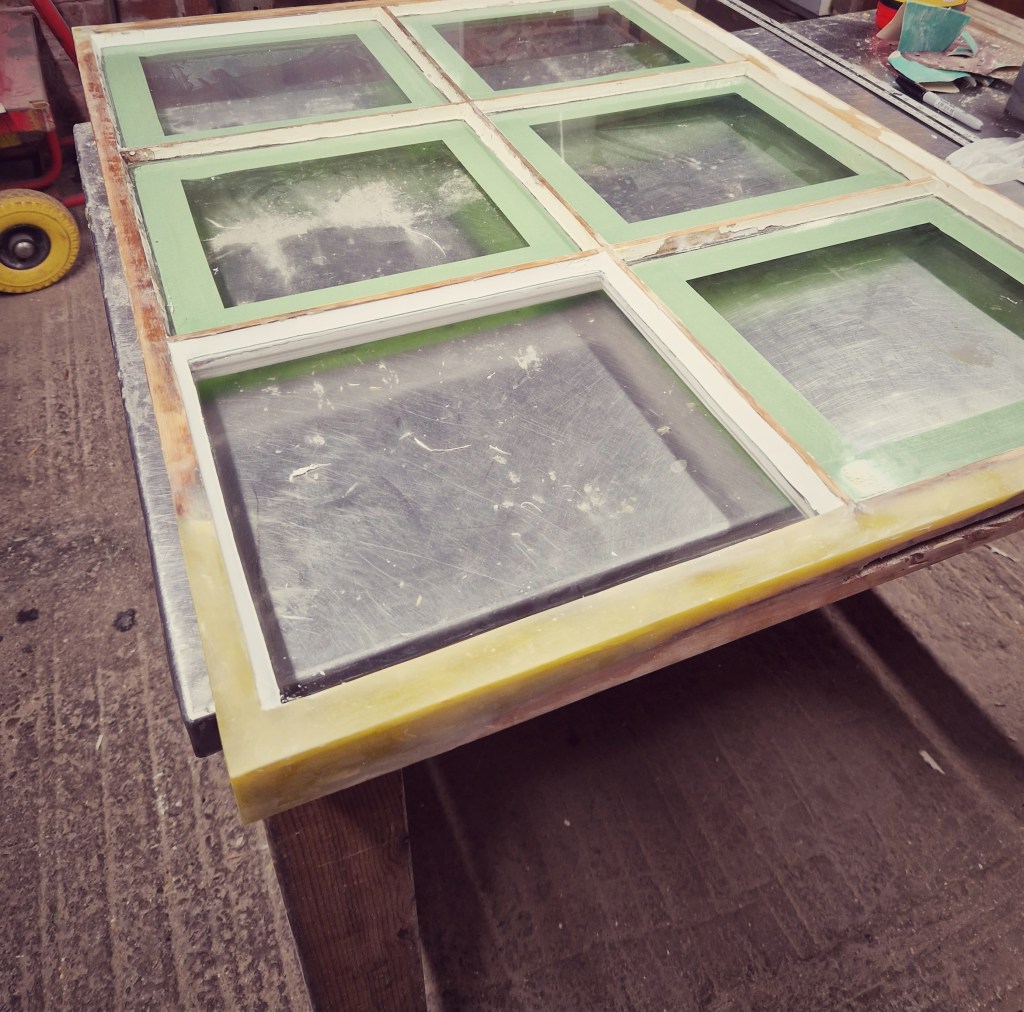
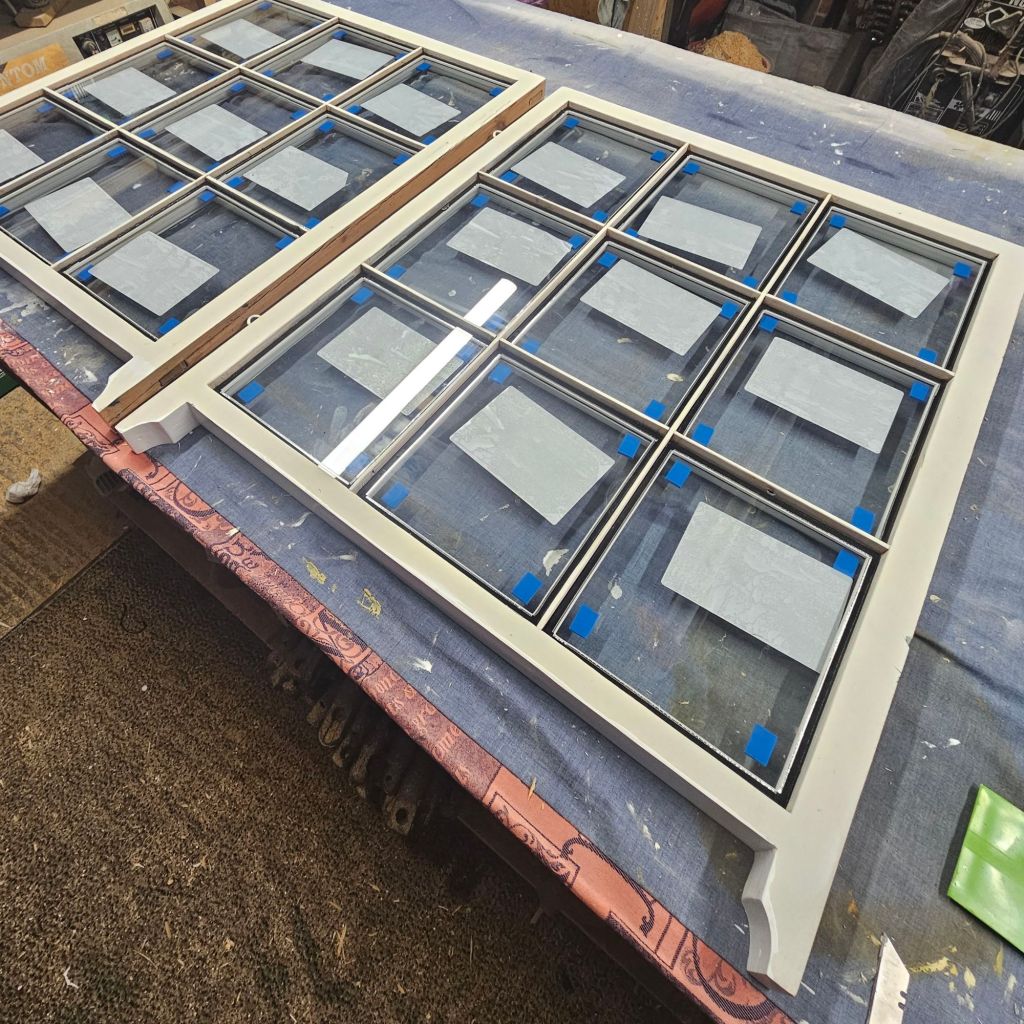
The sashes were primed with Teknos and reglazed with the original glass.
The same finish was applied for a clean and unified appearance.

The conservation joints help extend the life of the sash by adding a resin bridge to the existing joint, they resist water ingress and absorb movement between to two sections of the timber.

Reinstallation and Final Result

Once the frames were repaired and the sashes refurbished, everything was put back together.

New sash cords were fitted.
Weights were balanced correctly.
Clearances were adjusted so the windows slide smoothly and seal properly.
Microporous Paint and Why It Matters

Incorrect paint had caused a lot of the original damage. Heavy modern gloss traps moisture and once water gets behind it the timber has no way to dry. That is when sills begin to rot from the inside out.

The Teknos system is microporous. It seals and protects the timber completely but still allows moisture to escape slowly through the coating. This is essential on a historic building because it prevents water becoming trapped inside the frame.

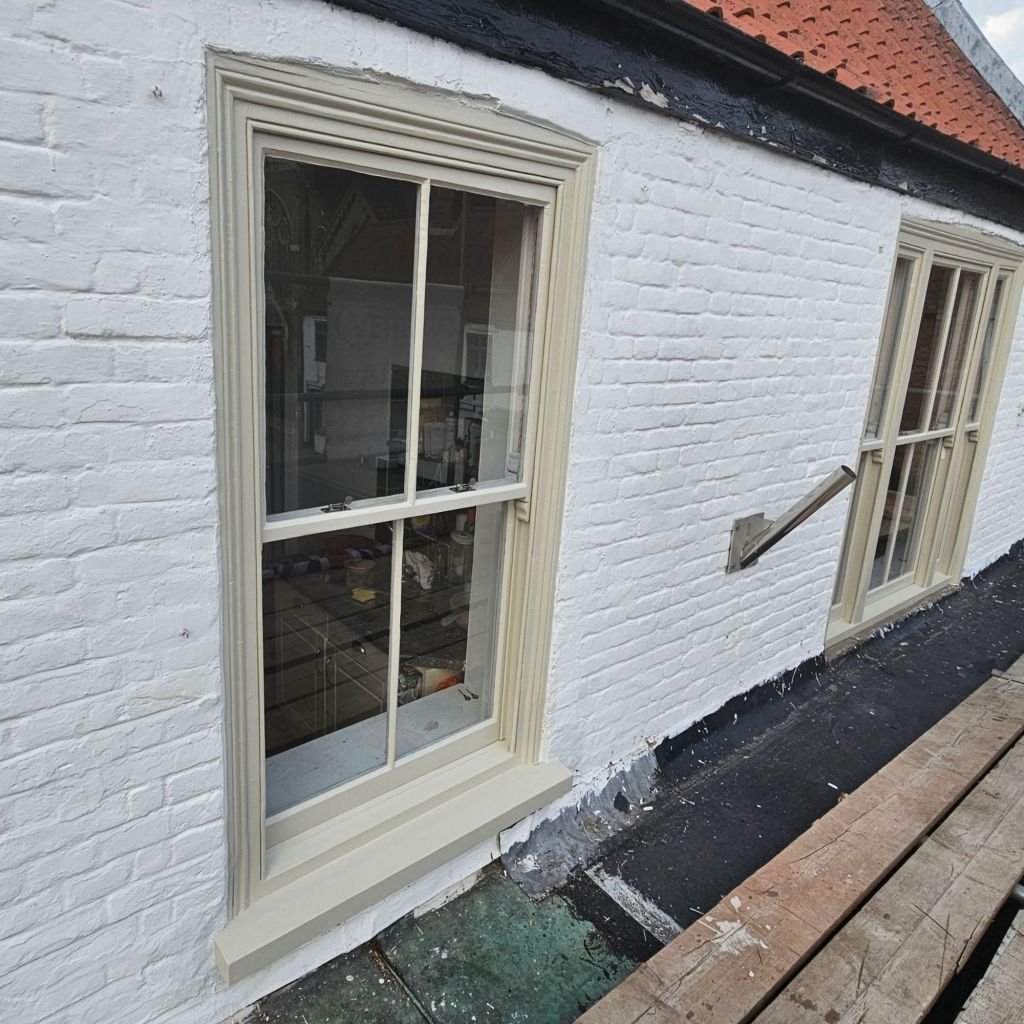
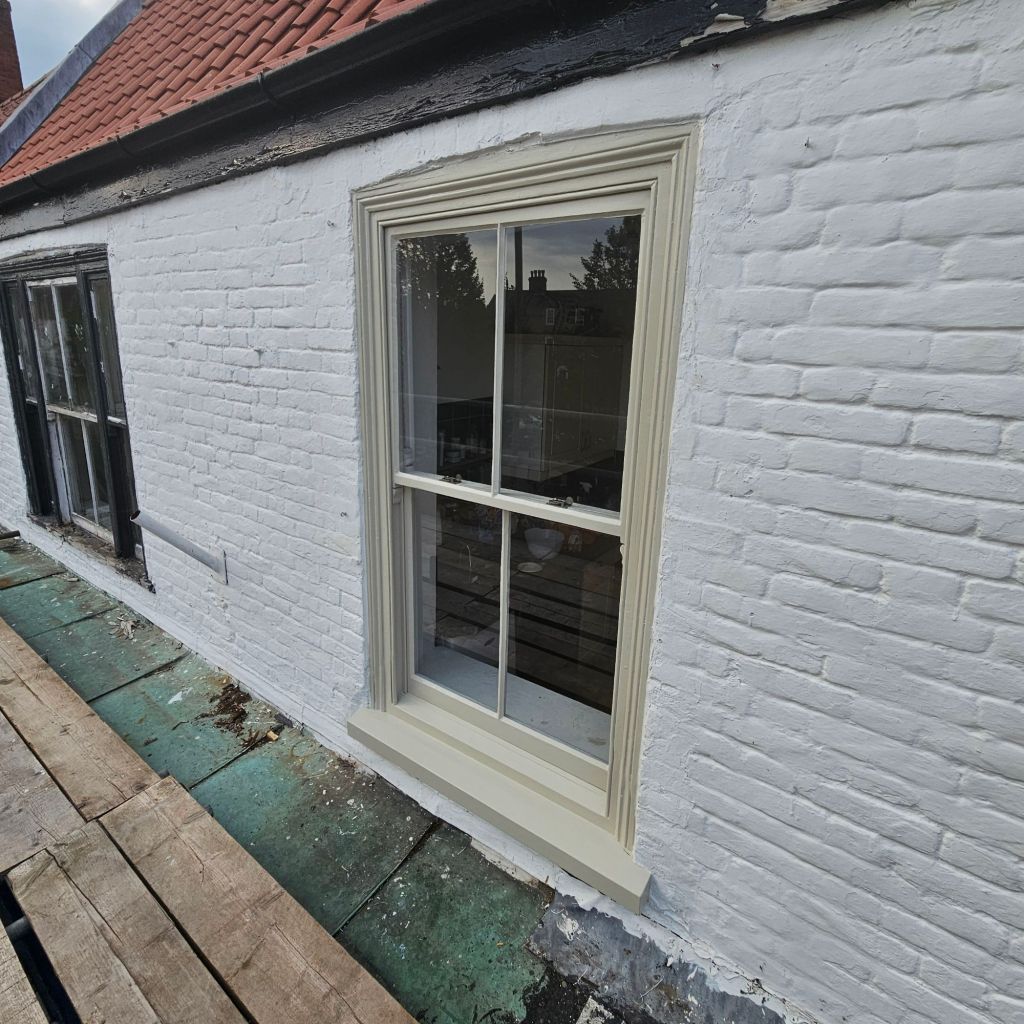
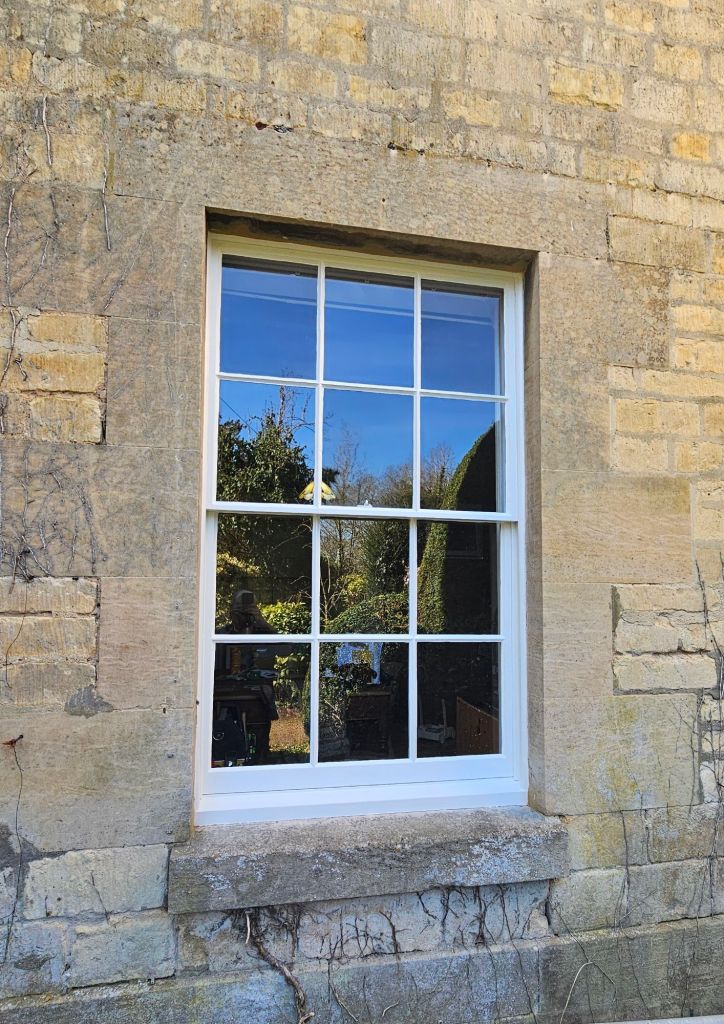
Microporous paint is also flexible. It moves with the timber instead of becoming brittle, which is especially important on a south-facing elevation. The previous dark grey finish absorbed a great deal of heat, causing excessive movement in the timber and placing unnecessary stress on the paint film, leading to premature failure. The new colour choice, New White from the Farrow & Ball heritage catalogue, is far more sympathetic to the age and character of the building and reflects heat rather than absorbing it. This keeps the timber cooler, reduces movement, and helps ensure a longer-lasting, more stable finish.

The result is a handsome frontage that looks authentic and true to the age of the building. The paint no longer overheats. The frames can breathe. The sashes move as they should.

A Piece of Spilsby Heritage Brought Back to Life

This property has changed many times in its 250 years, but the sash windows have always been part of its identity. Restoring them felt like returning a little piece of the town’s history to its rightful state.

The windows are now solid, draught-free, smooth in operation and ready for many more years of service.

Slimline Double Glazing Meets Edwardian Joinery

Restoring an Edwardian Bay Window in Woodhall Spa


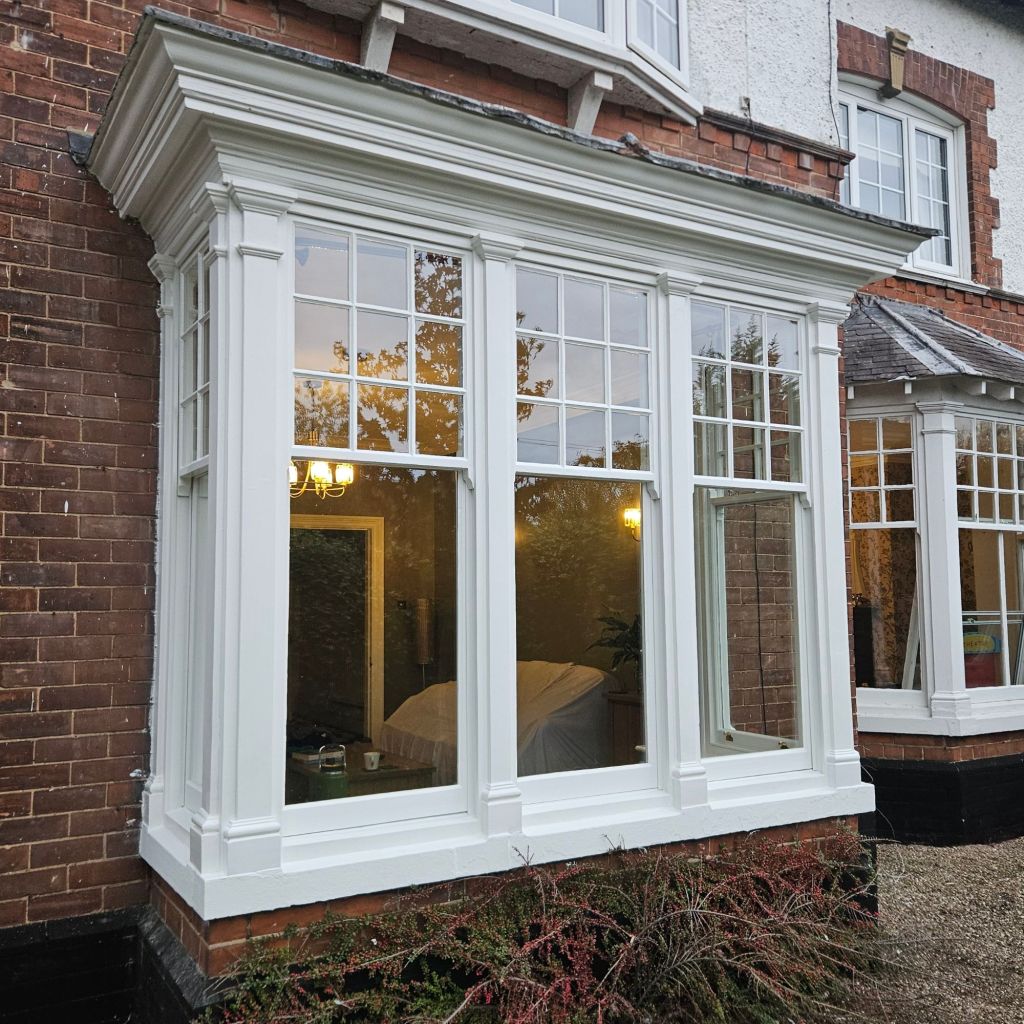
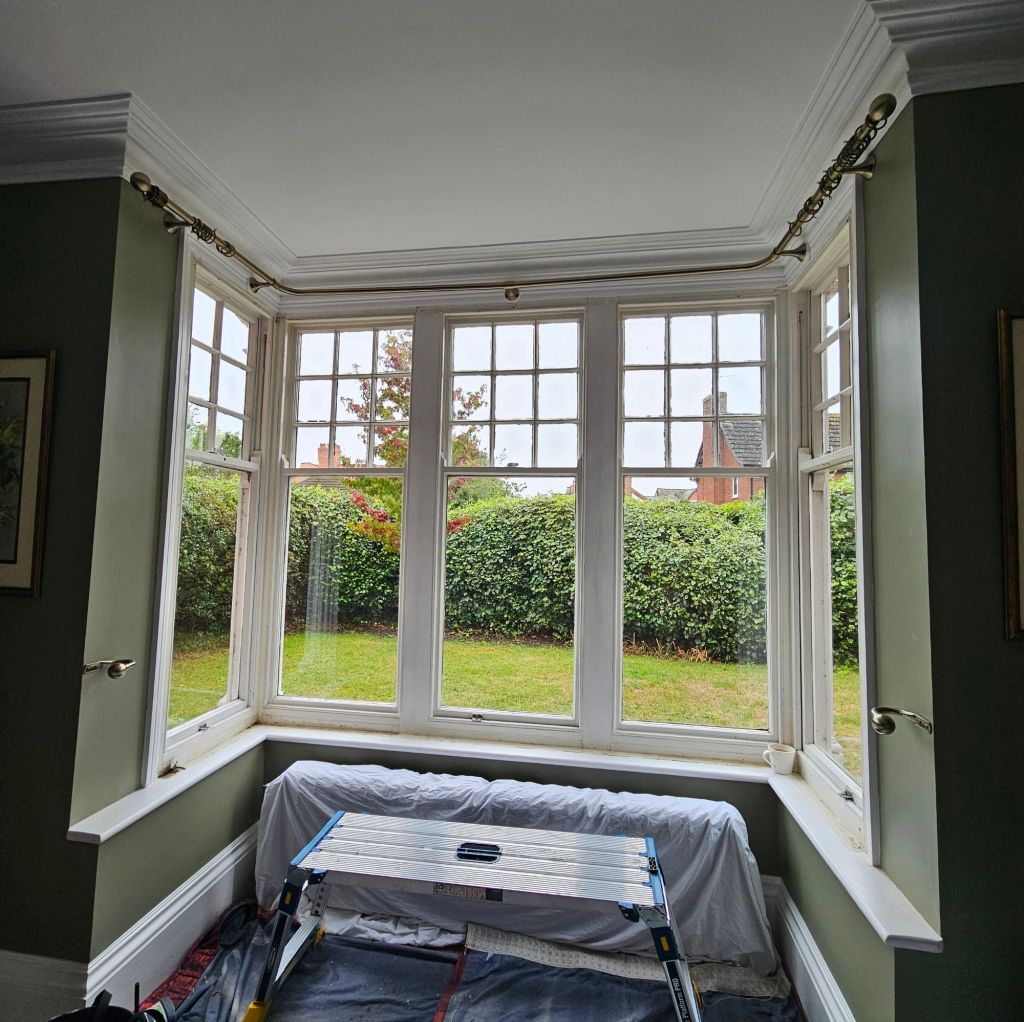
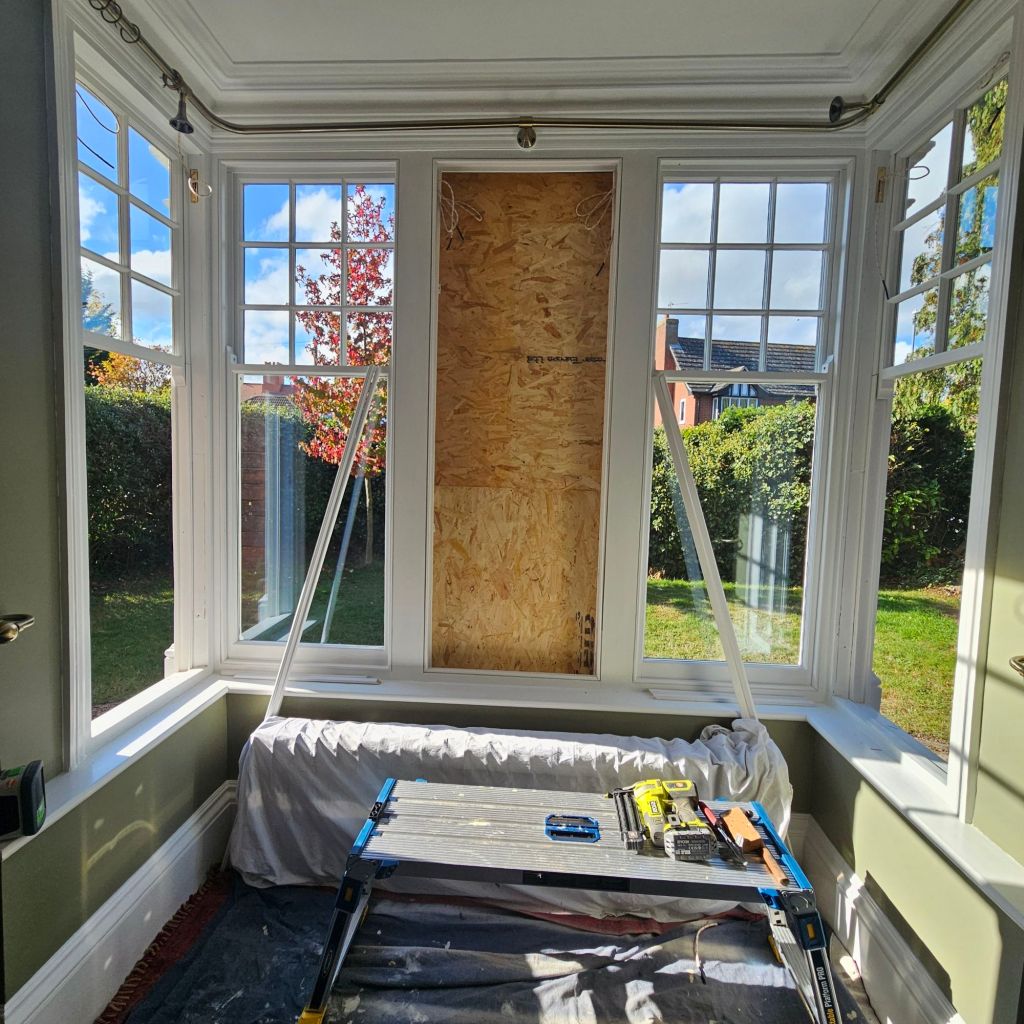
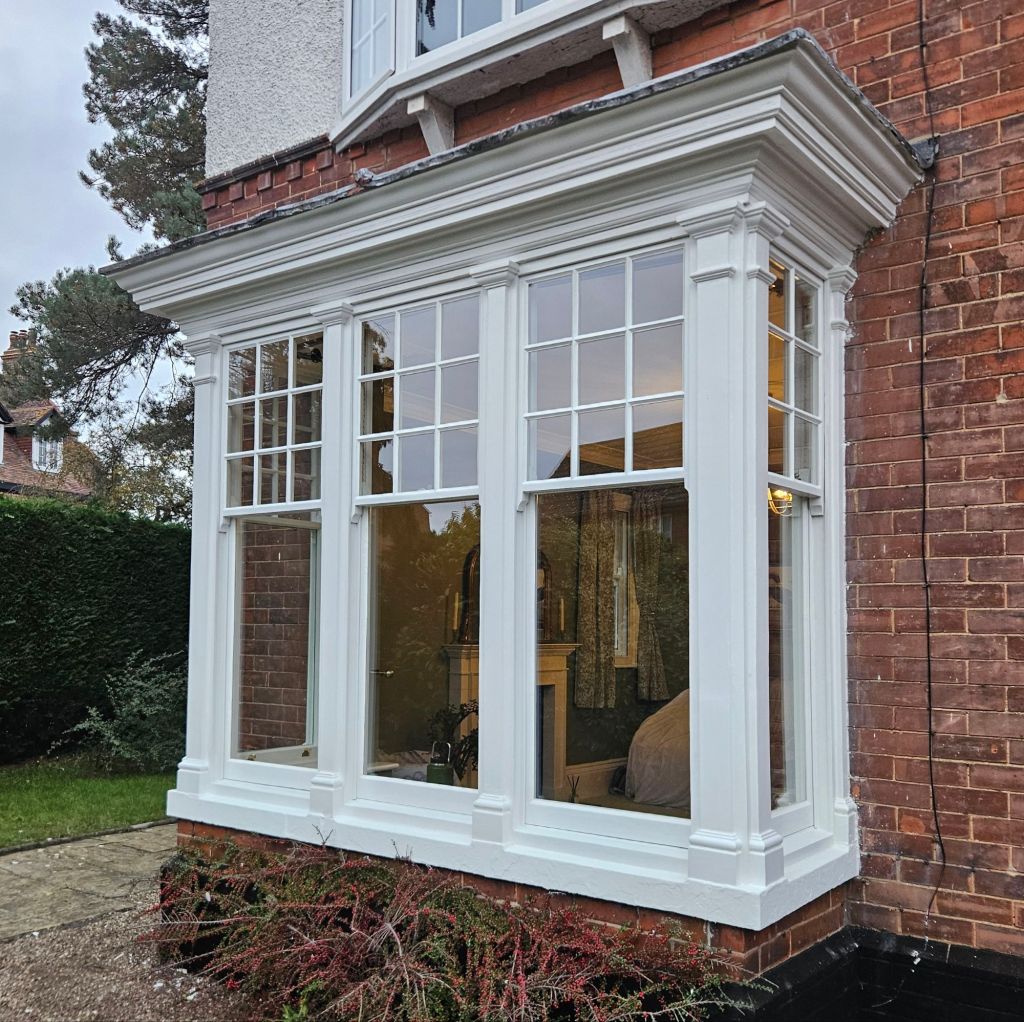
Some windows just have presence. This Edwardian bay in Woodhall Spa is one of them. Hidden under tired paint, failing putty, and a few decades of neglect was a beautifully made piece of joinery, still standing strong and absolutely worth saving. My job was to bring it back to life without losing the character that makes these old homes special.

Stripping Back to the Truth

The first step was a full strip down. Old coatings came off, joints were assessed, and the sashes and frame were checked for structural integrity. Edwardian timber is usually superb quality, and this one didn’t disappoint. Most of the work was conservation rather than replacement.

Where there was decay, I carefully removed anything unsound and rebuilt using resin conservation techniques. Dry Flex 4 is my go-to for this sort of work because it bonds beautifully, lasts for years, and means I can retain as much original timber as possible.

Draught Proofing and Double Glazing: Comfort Without Compromise


Once the repairs were complete, the sashes were precision-refitted with discreet brush seals to cut out draughts and rattles – a small upgrade that makes a huge difference in day-to-day living.

The biggest transformation came from retrofitting slimline heritage double glazing supplied by Heritage Slimline. These units slot into the existing sashes with no change to the external appearance, but the boost in thermal and acoustic performance is immediate. Warm room, quiet nights, lower bills. No plastic in sight.

Traditional Details, Modern Performance


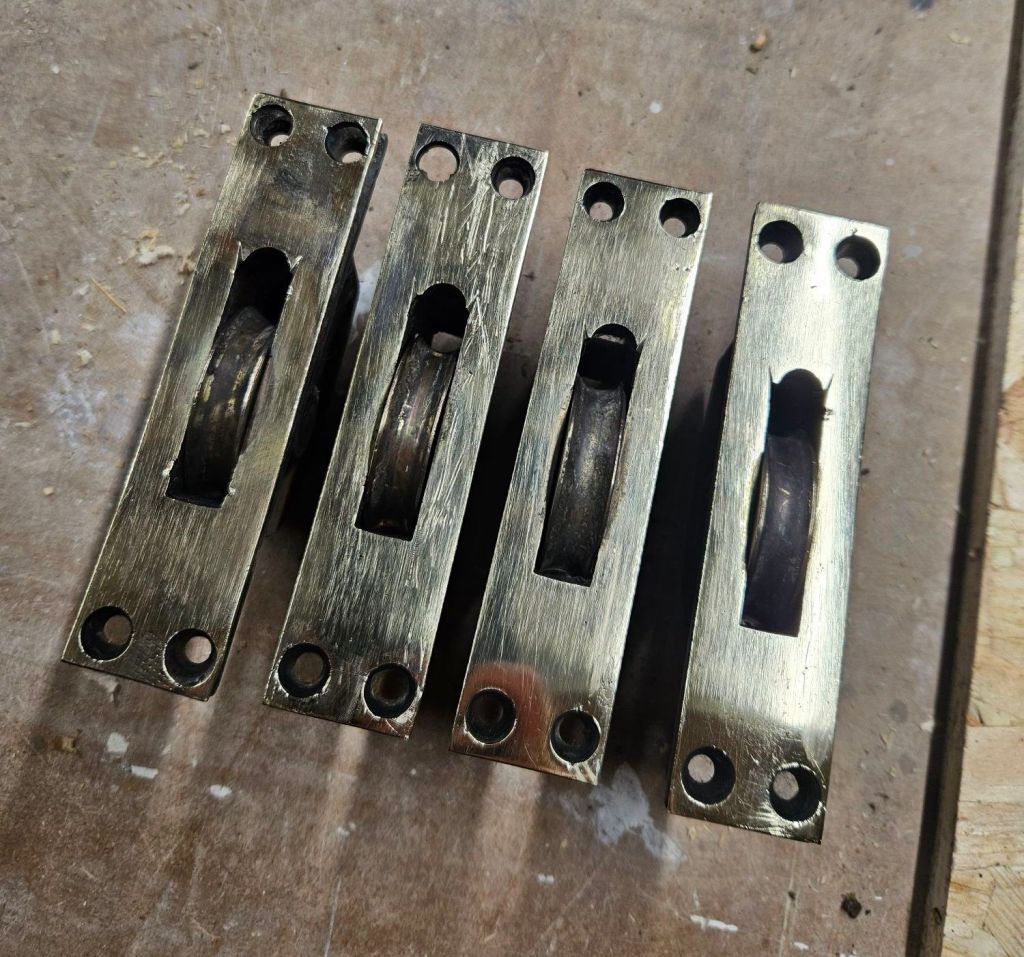
I always try to keep things in keeping with the original period. This bay now has new brass pulleys and period-appropriate furniture, chosen to match what would have originally been there.

Everything was then hand-finished in Teknos Traffic White (RAL 9016). It’s a crisp, clean finish that suits Edwardian joinery beautifully and gives long-lasting protection against the weather.

A Little Bit of Joinery History


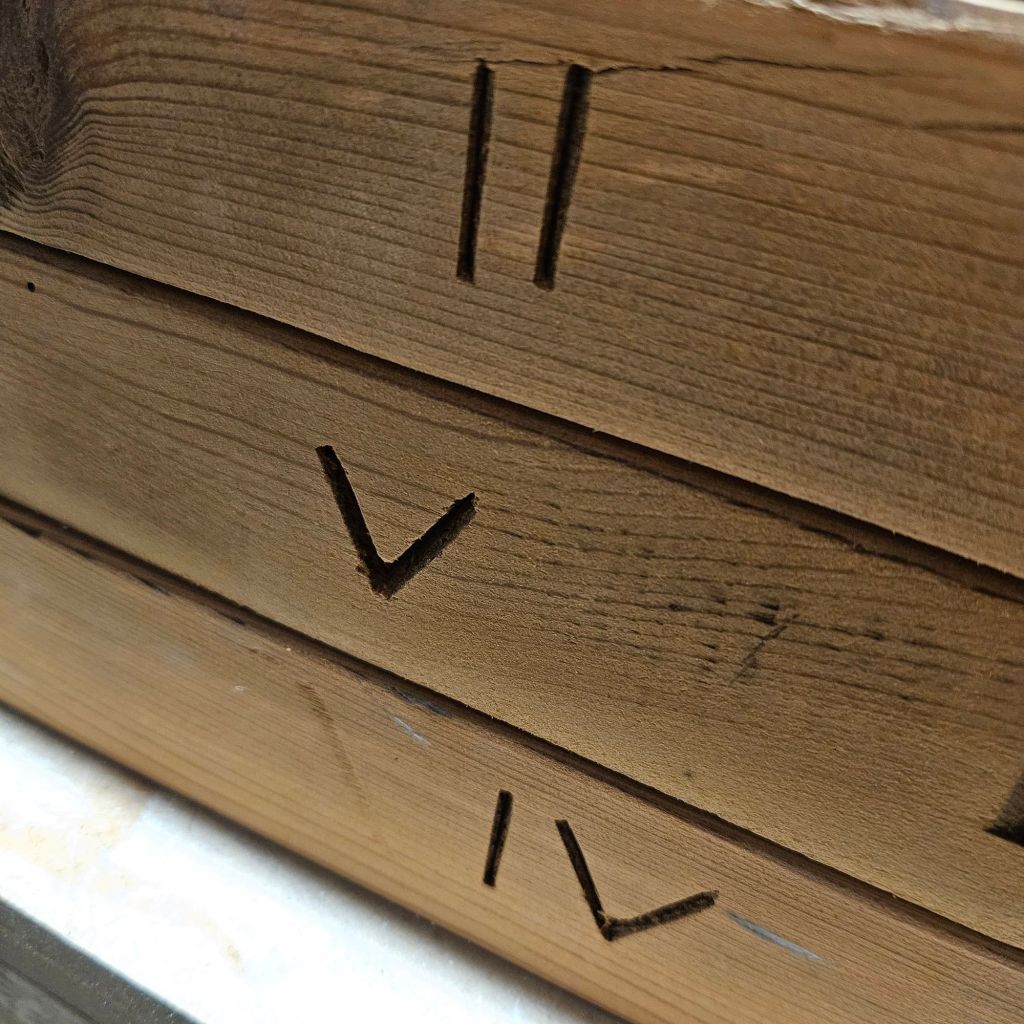
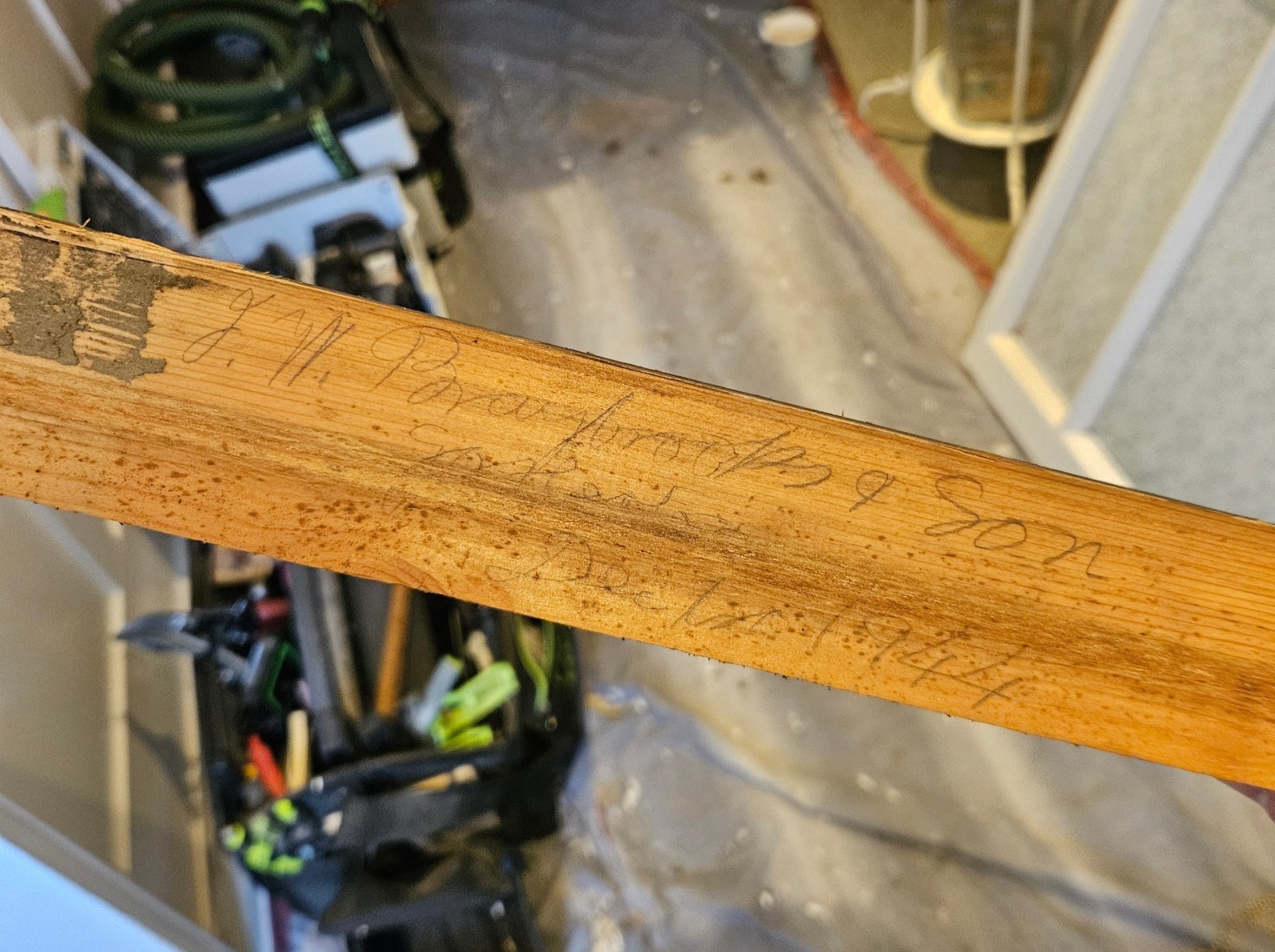
During restorations like this, I still use a tradition that goes back hundreds of years: Roman numeral marking.


Before power tools, joiners marked sashes, shutters, and frame components with chisel-cut numerals so they could be dismantled in the workshop and reassembled on site in the exact same order.
Straight lines, easy to cut, impossible to rub off.

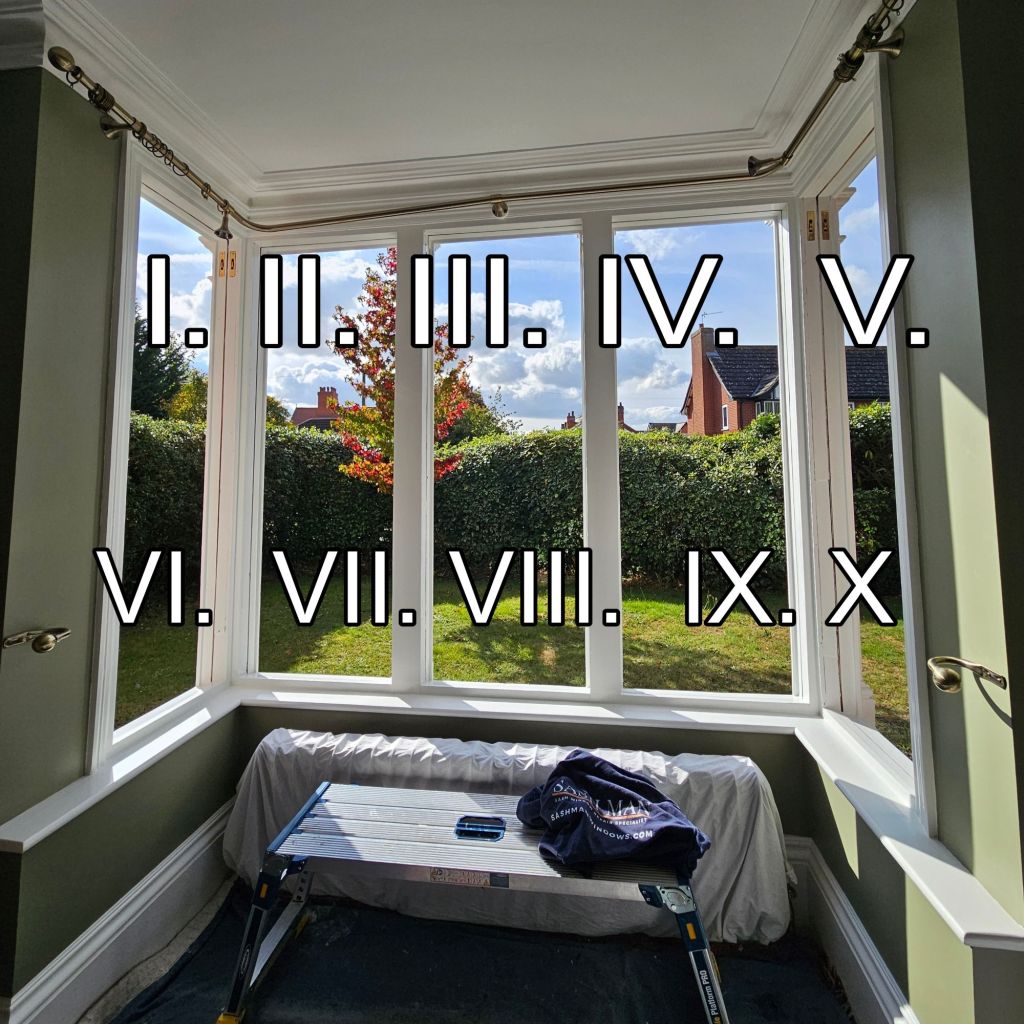
On this bay, mine ran:

Top row: I to V
Bottom row: VI to X

It’s a tiny detail, but it’s part of a long line of heritage practice that keeps the craft authentic. When you see “IIII” instead of “IV”, it isn’t a mistake. It’s tradition, speed, and the shorthand of generations of craftsmen.

The Finished Result

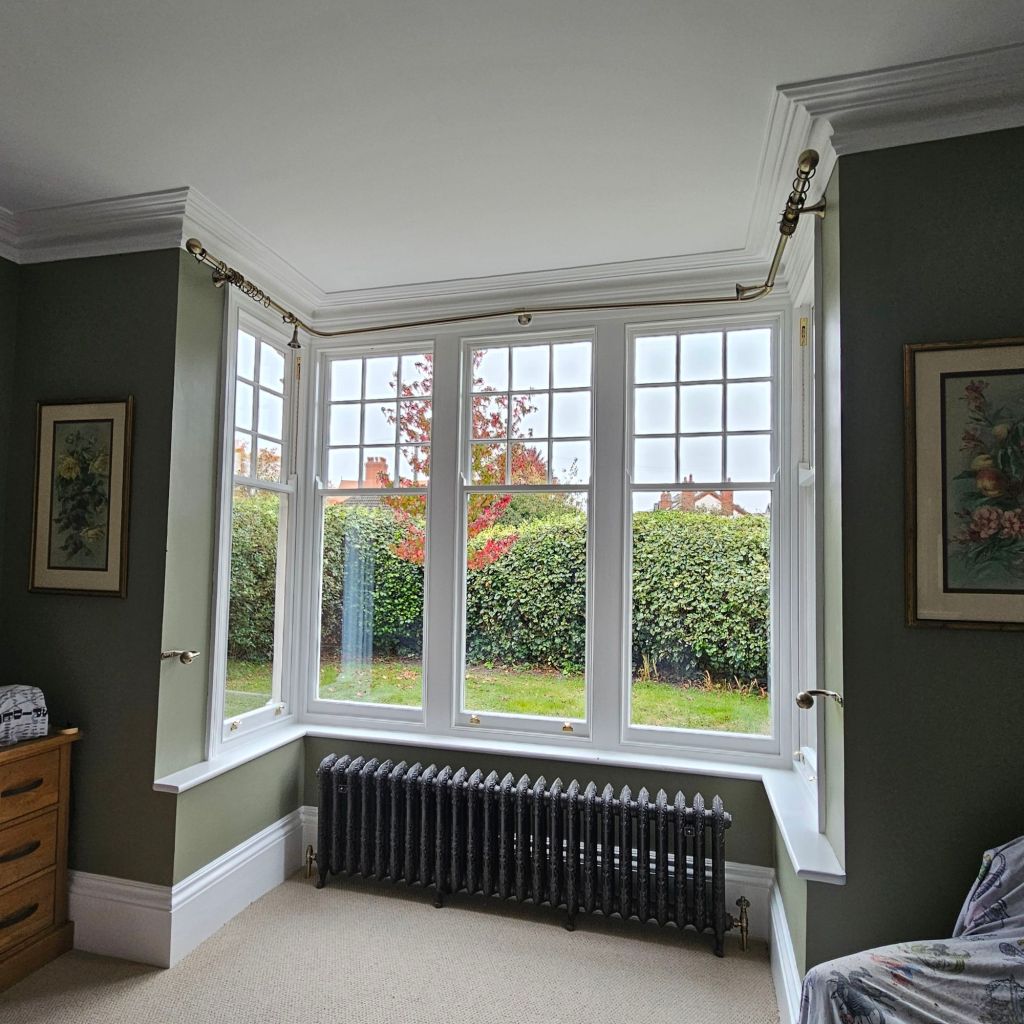
Once everything was rebuilt, balanced, glazed, sealed, and painted, the bay window was back to the showpiece it was meant to be. From the outside, it looks original. From the inside, it feels like a modern window. Best of both worlds.

Heritage preserved. Comfort upgraded. Job done.

Restoring a Forgotten Georgian Sash Window at a Lincolnshire Stone Farmhouse


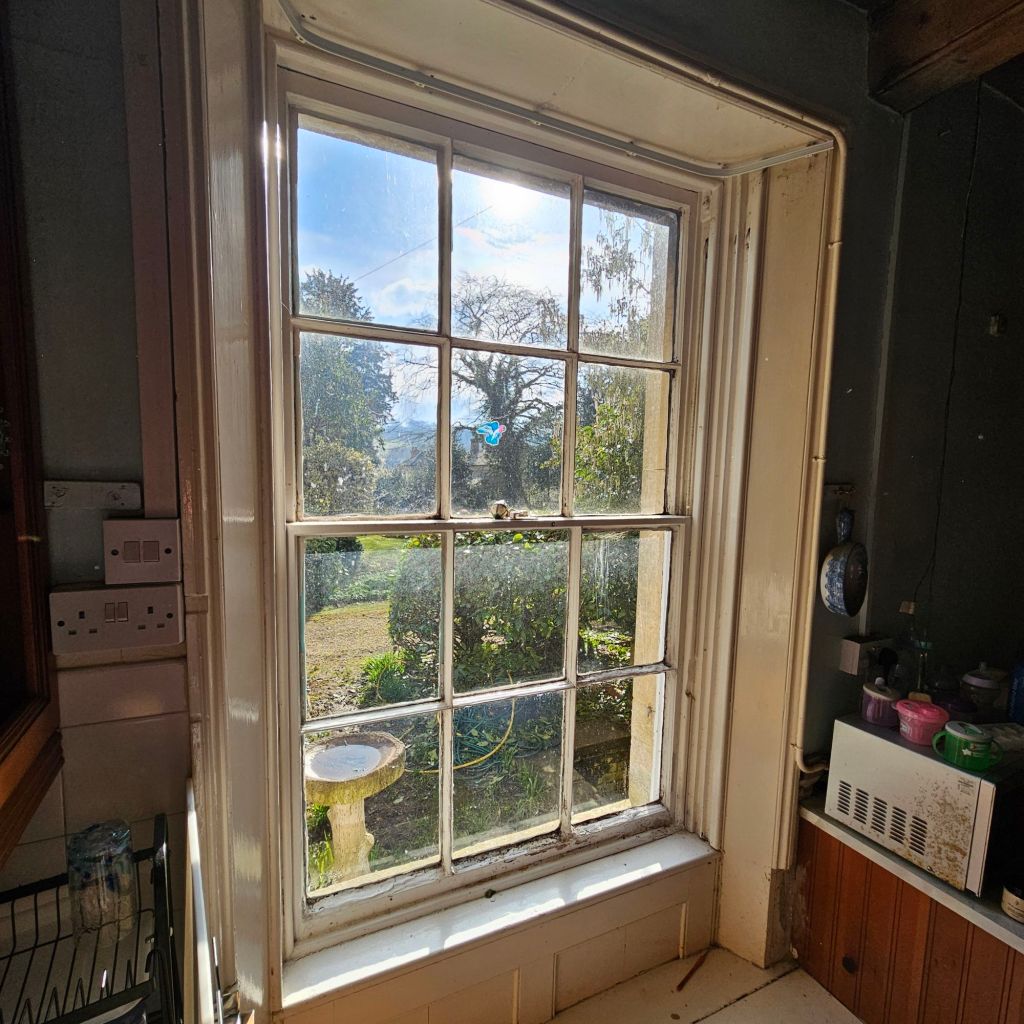
Every now and then I come across a window that tells a story before I even touch it. This one, tucked into the wall of a beautiful old stone farmhouse, had clearly had a long and difficult life. It hadn’t opened for decades. It had been cemented over, painted shut, patched, daubed, filled, and basically smothered into submission. By the time I arrived, the rot had taken hold and several other joiners had already declared it “beyond saving”.

But windows like this don’t get written off quite so easily. Not on my watch.
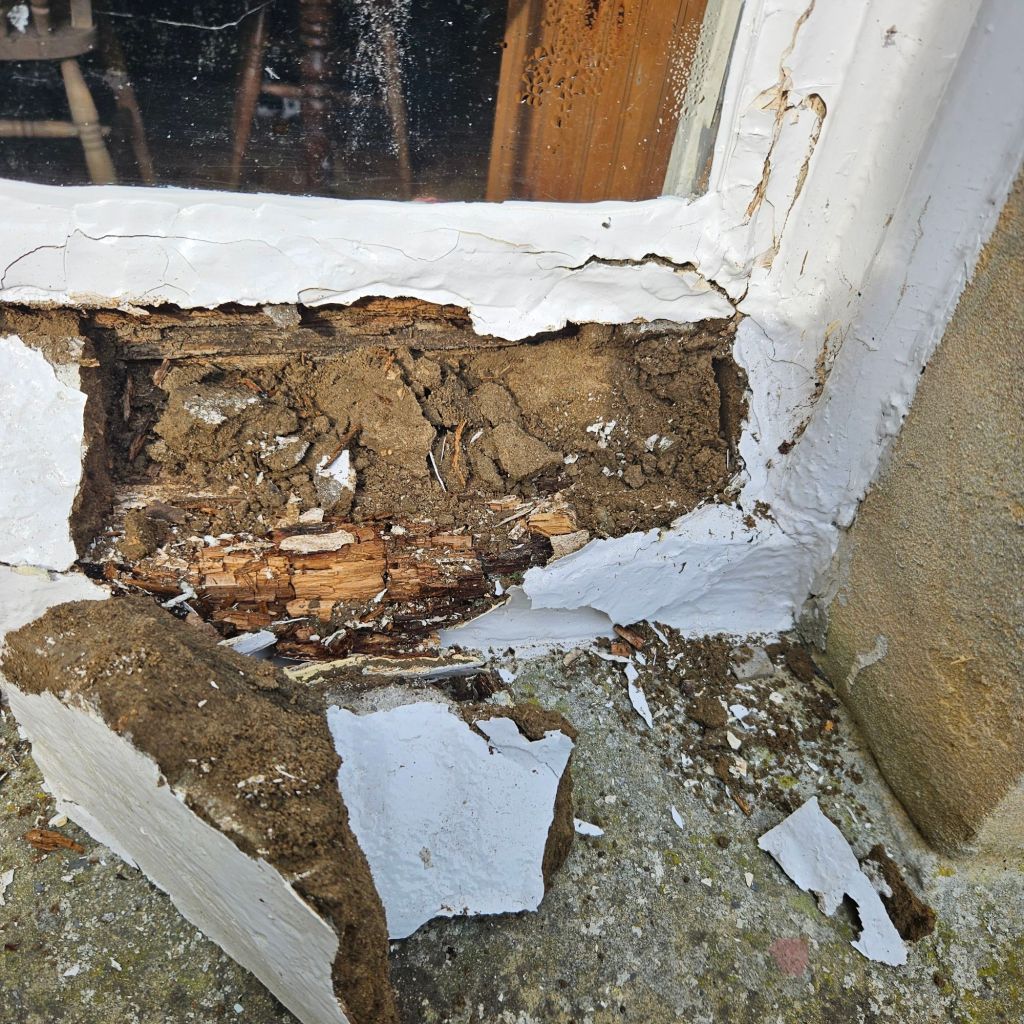


First Look: Cement, Decay, and a Whole Lot of Guesswork

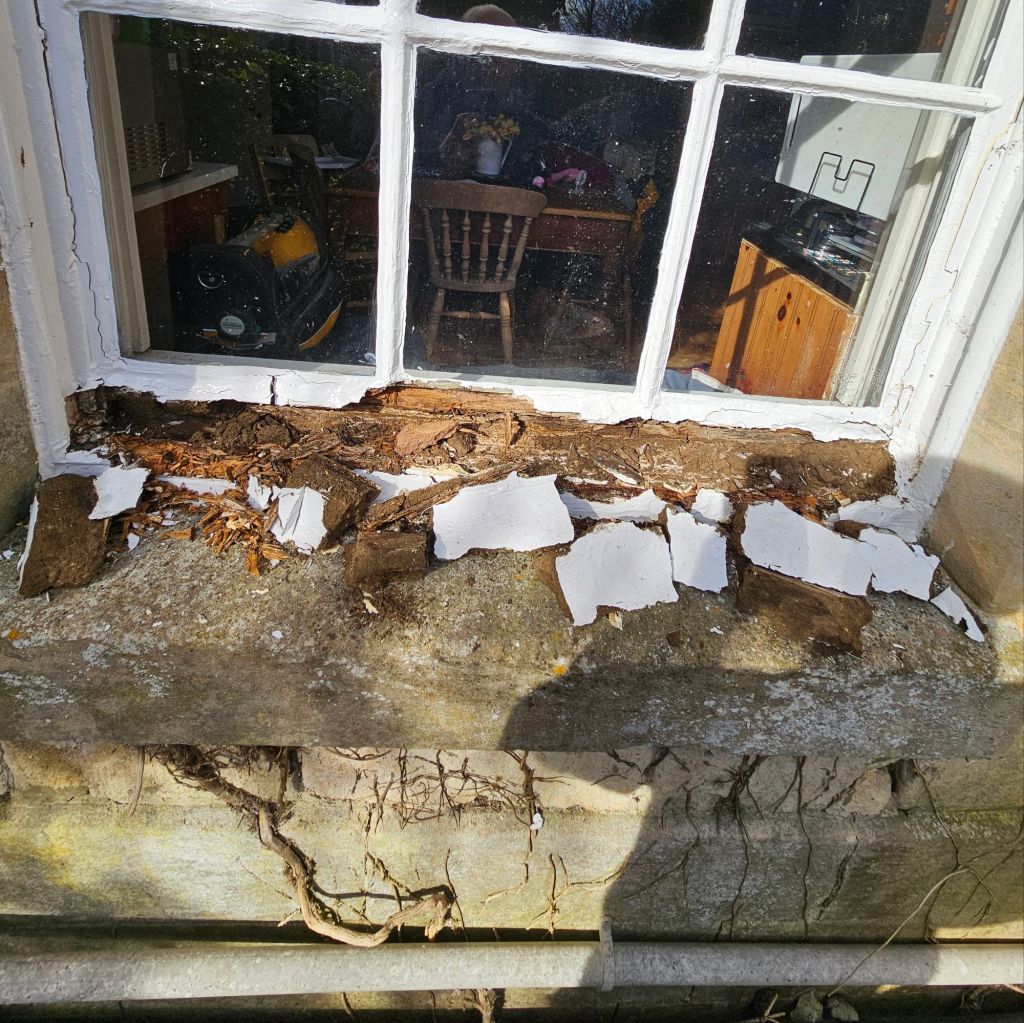
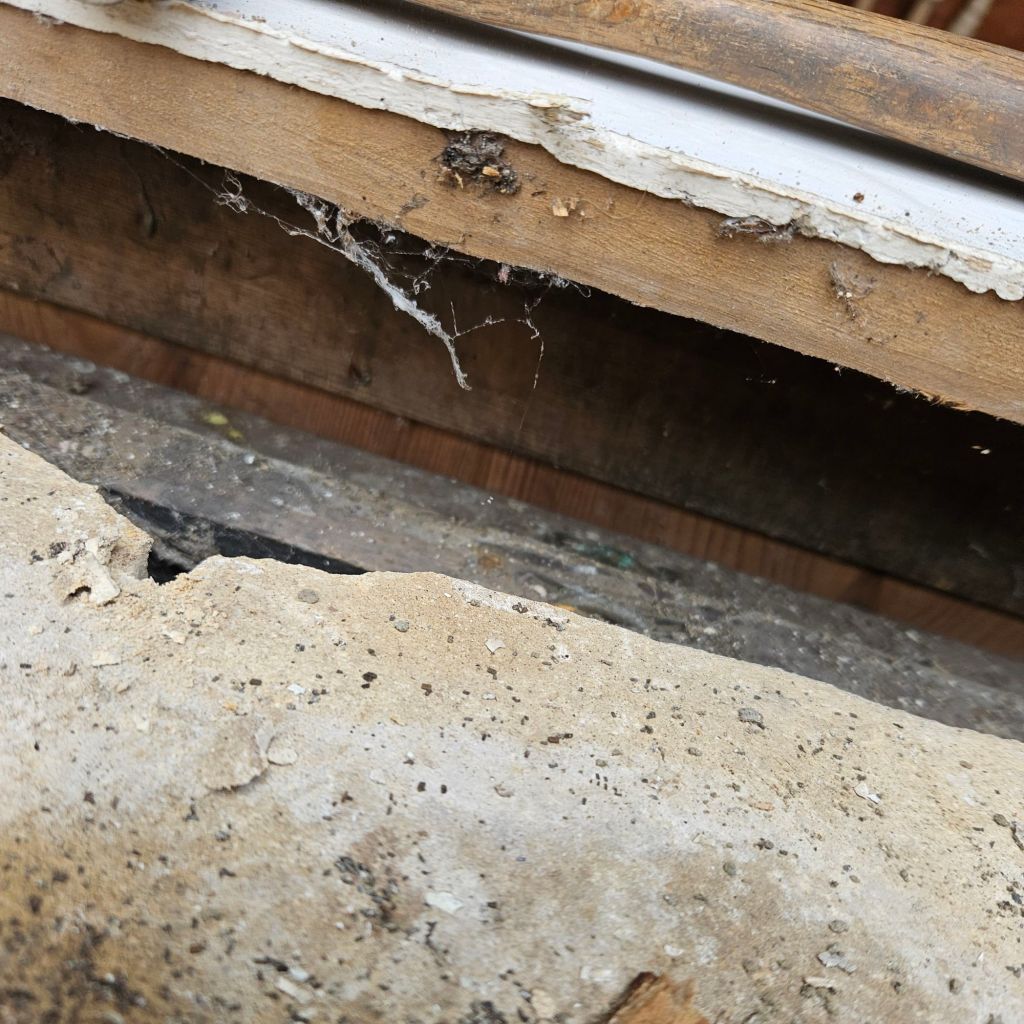
The lower section of the window was in an atrocious state. The sill had collapsed, the glazing bars were crumbling, and the original timber had been replaced in places with what can only be described as… mud and paint. The photos tell the story better than I can: huge chunks of failed filler falling away, wet rot right through the lower sash bottom rail, and a sash that wouldn’t have moved even if you begged it.


And despite all that, the underlying craftsmanship was outstanding. These early nineteenth-century windows were built with precision. Even after years of damp and neglect, the joints and mullions still showed the hand of a very skilled maker.

A Hidden Surprise: Vertical Sliding Shutters

During the strip-down I uncovered something the homeowners had no idea existed: a full set of vertical sliding shutters hidden inside the box frame. These were once a premium upgrade in Georgian and early Victorian homes. Most were removed or lost over the years, but this set had simply been trapped behind generations of paint and filler.

They couldn’t be reinstated because the internal finishes had changed, but finding them was a brilliant moment. A little time capsule of joinery history.
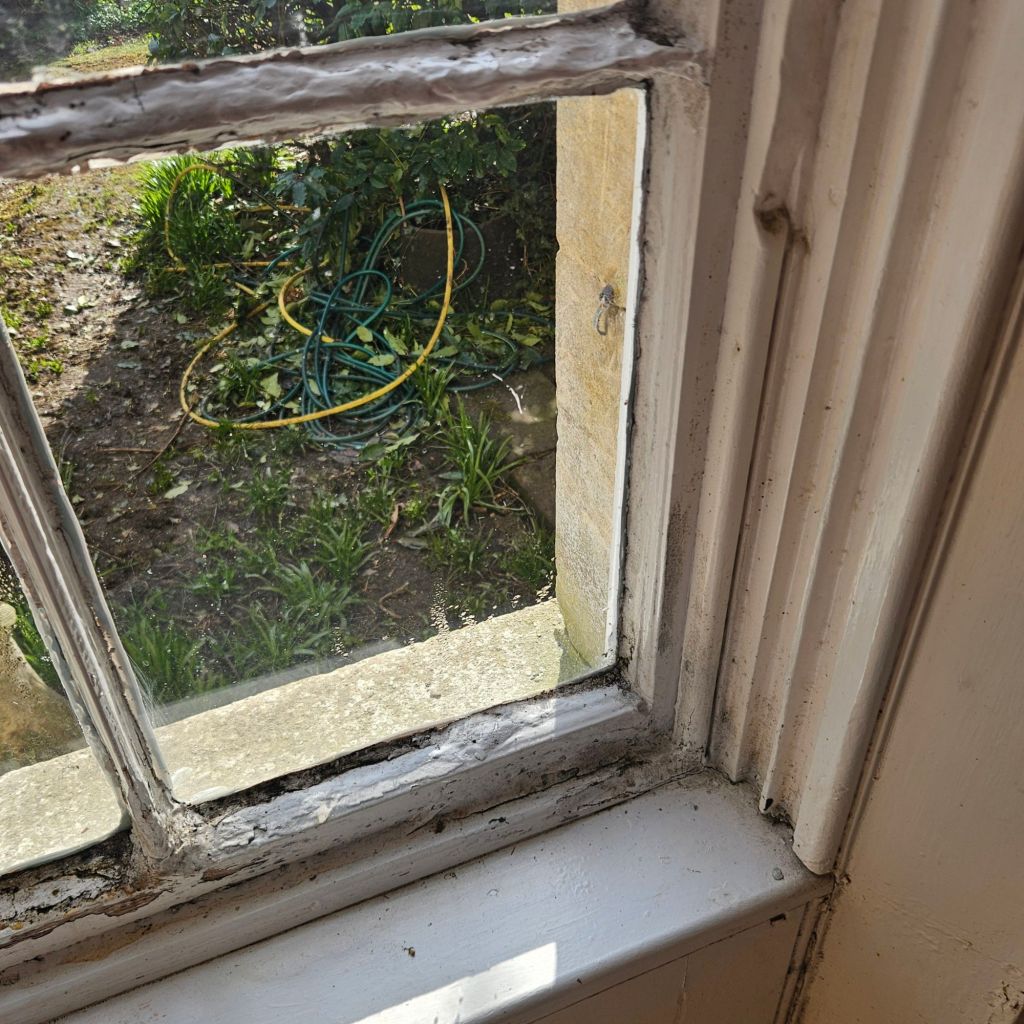

The Restoration: Rebuilding the Lower Sash from Scratch

The bottom sash was too far gone to patch. So I rebuilt the entire lower half using proper materials:
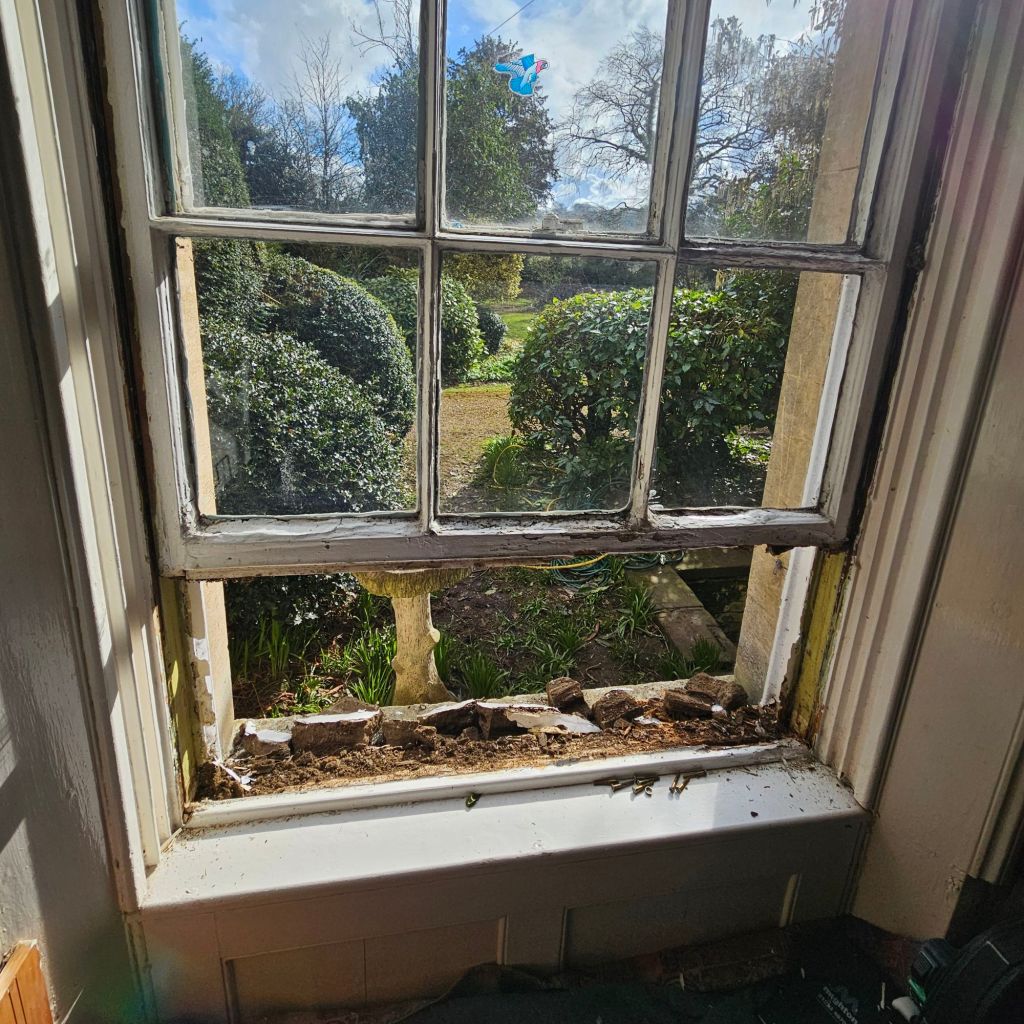
New glazing bars and a new bottom rail in Accoya, machined to match the original profile.

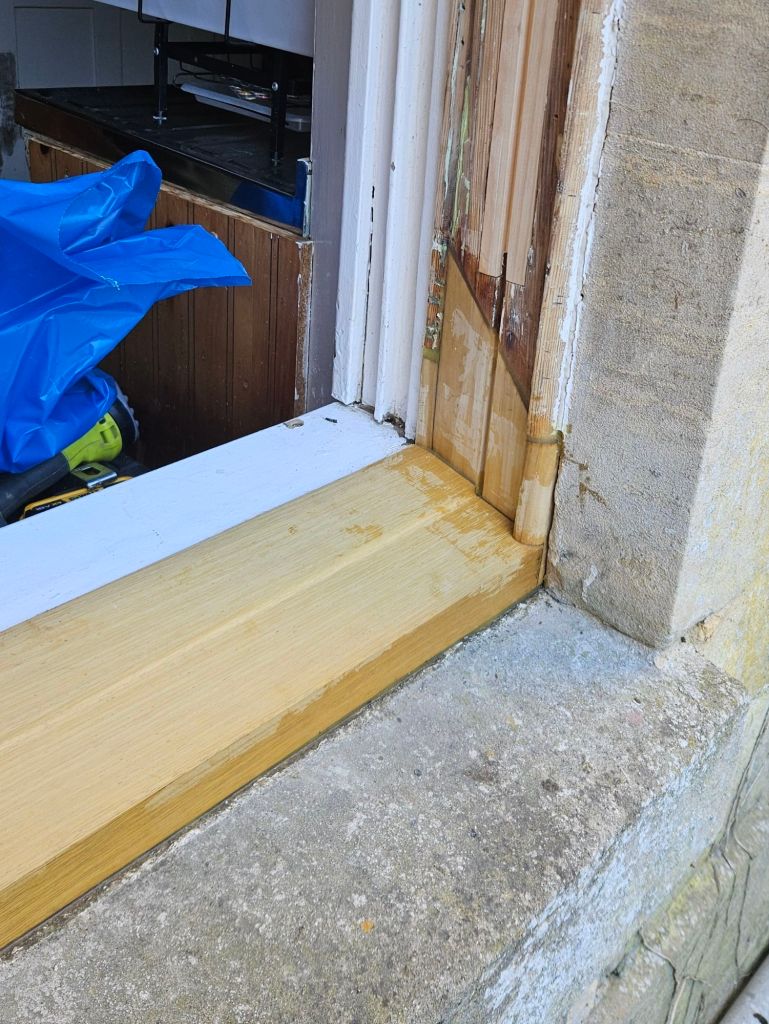
A new Iroko hardwood sill, with full cheek and stile splices using Repair Care resins for long-term durability.

Original glass cleaned and refitted wherever possible to preserve the character.


Every component was built to the exact dimensions and details of the original maker. The aim is always to conserve, not replace.

Rebalancing, Re-cording, and Getting It Working Again

Once the repairs were complete, both sashes were reinstalled into the box frame, fully re-corded, and balanced. I fitted discreet draught proofing throughout, so the window now opens smoothly, closes softly, and seals properly against cold air.

And those pulleys… hidden under thick gloss paint were beautiful* solid brass originals. Most windows from this era have cast iron pulleys that just get painted over. These were something special.


Finishing and Future-Proofing

Externally, it’s finished in Teknos Traffic White (RAL 9016). Internally, I left it fully primed and ready for the client’s decorator so the final finish matches the rest of the room.


The transformation is exactly why I love doing this work. A window that had been written off is now fully functional again, energy efficient, and ready for another couple of centuries.

From “Replace It” to “It’s Better Than New”

If you’d seen this window at the start, you’d probably have agreed with the people who told the owners it needed ripping out. But these old sash windows are tough. They were built with skill, from proper timber, and they deserve a second chance.

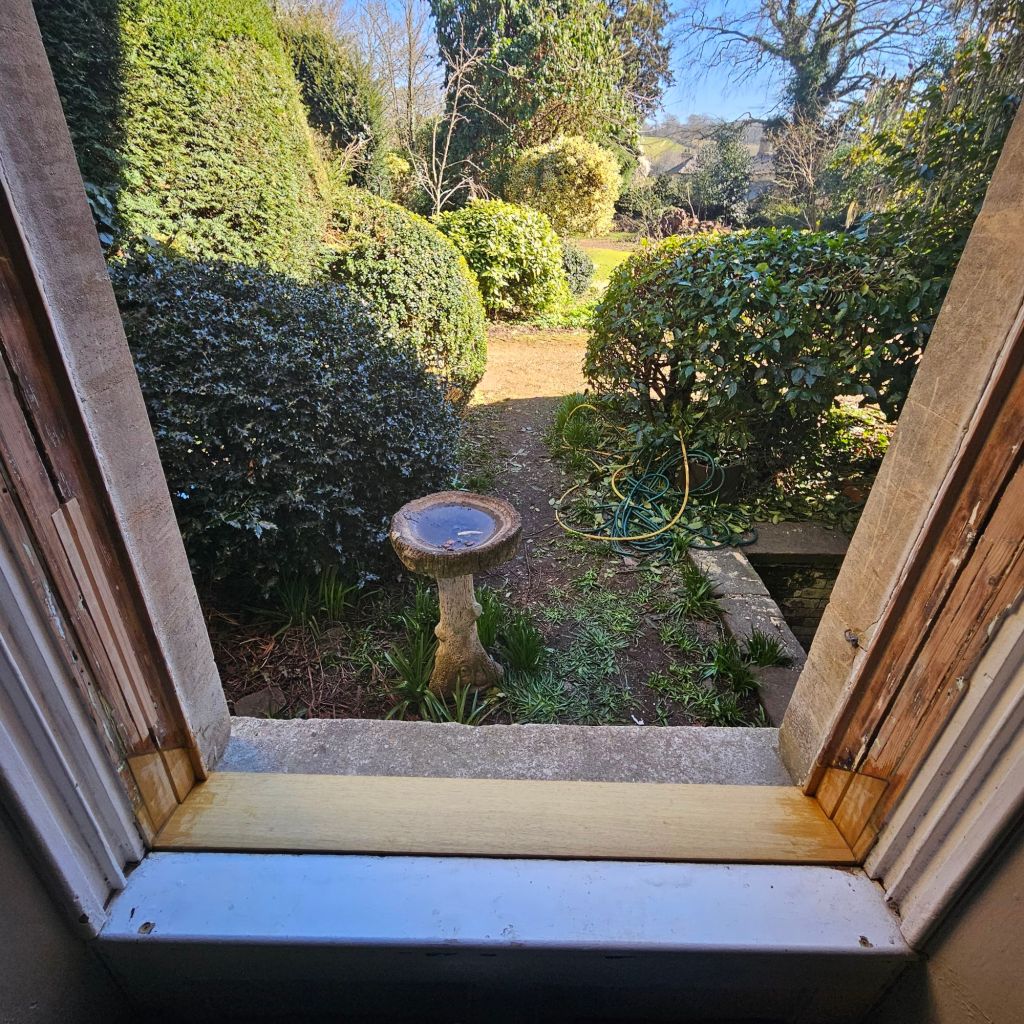
Now it opens beautifully, keeps out the draughts, and looks completely at home in that stunning stone farmhouse. Heritage saved. Craftsmanship honoured. Job done.

Beautiful Old Garden Gate

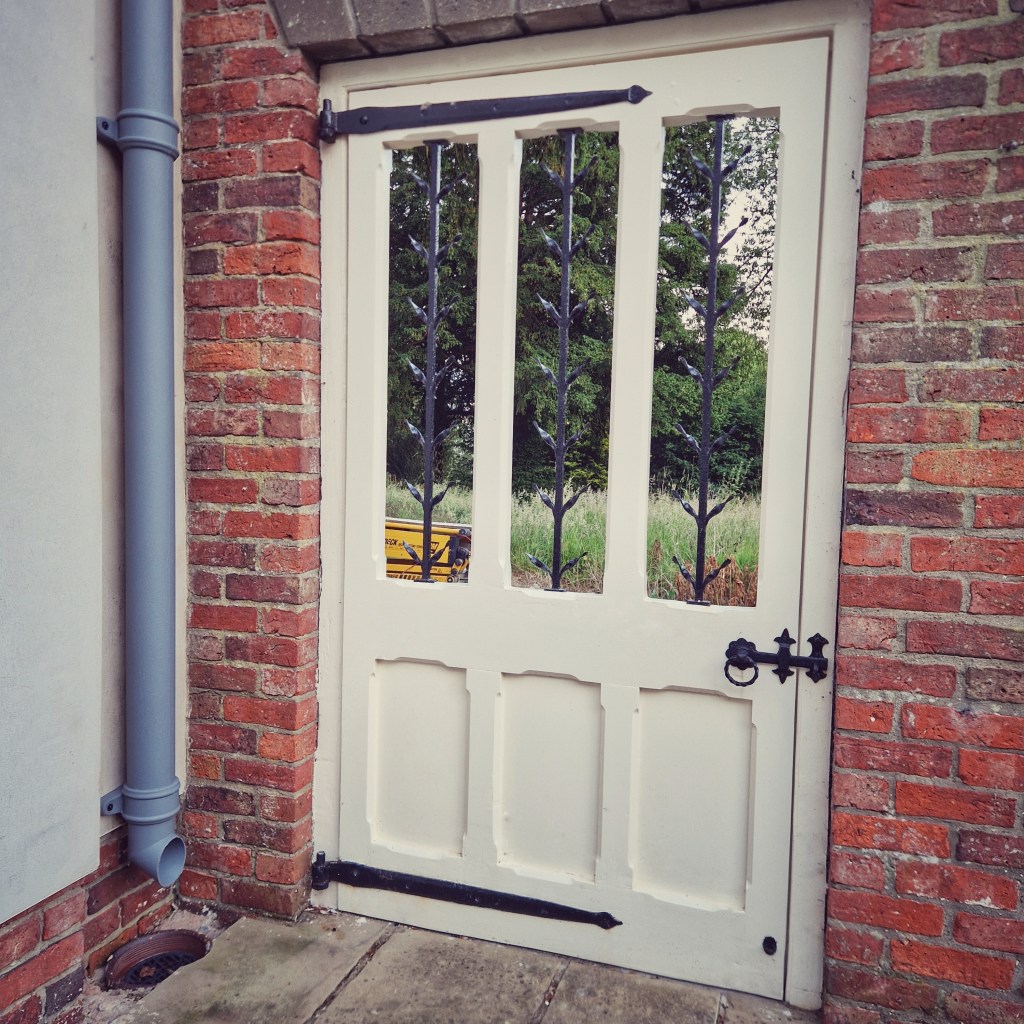
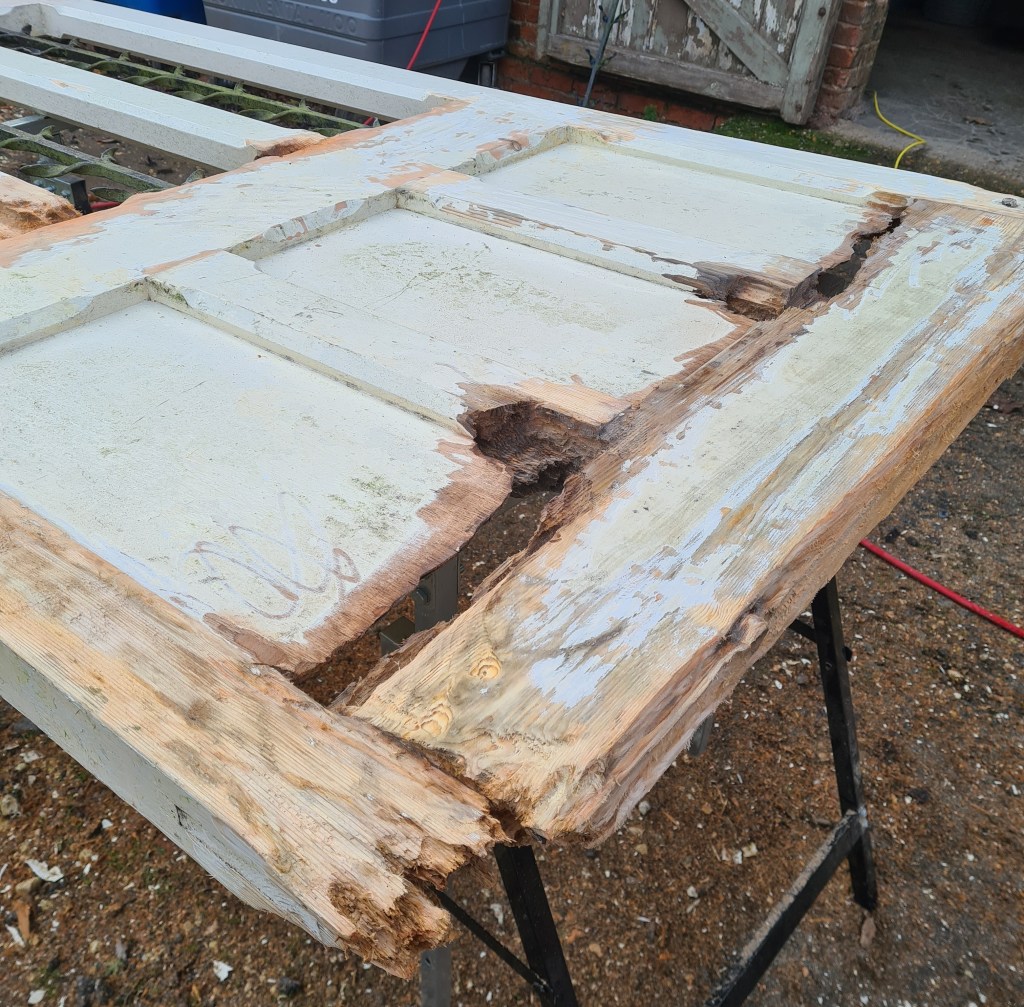
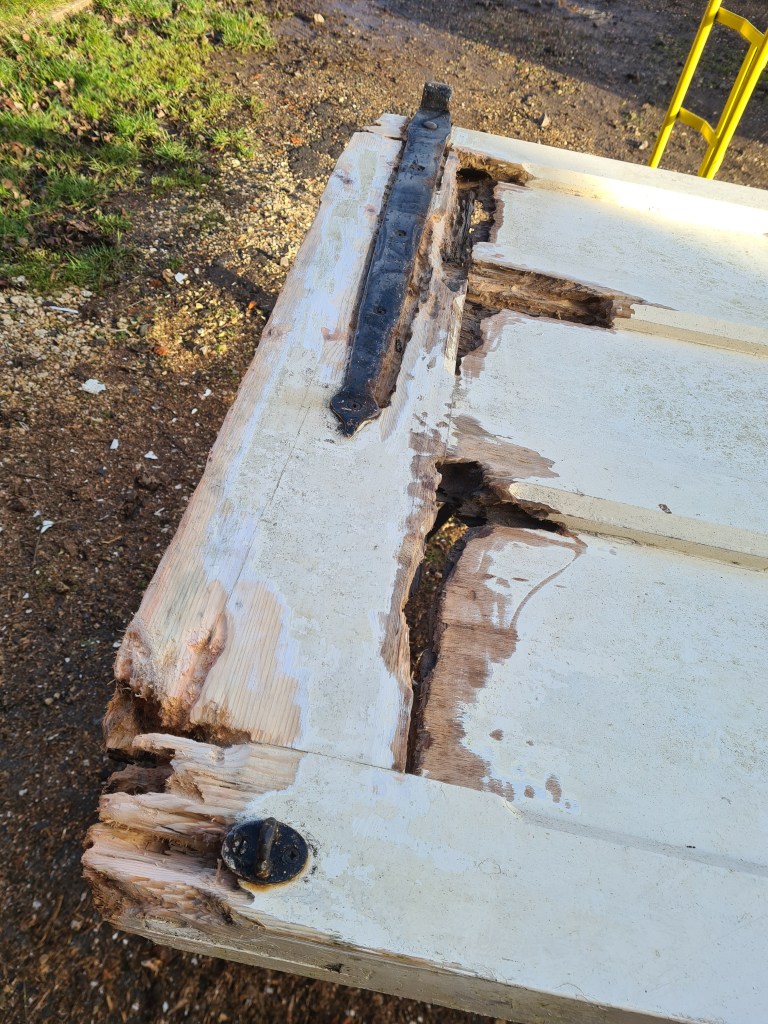
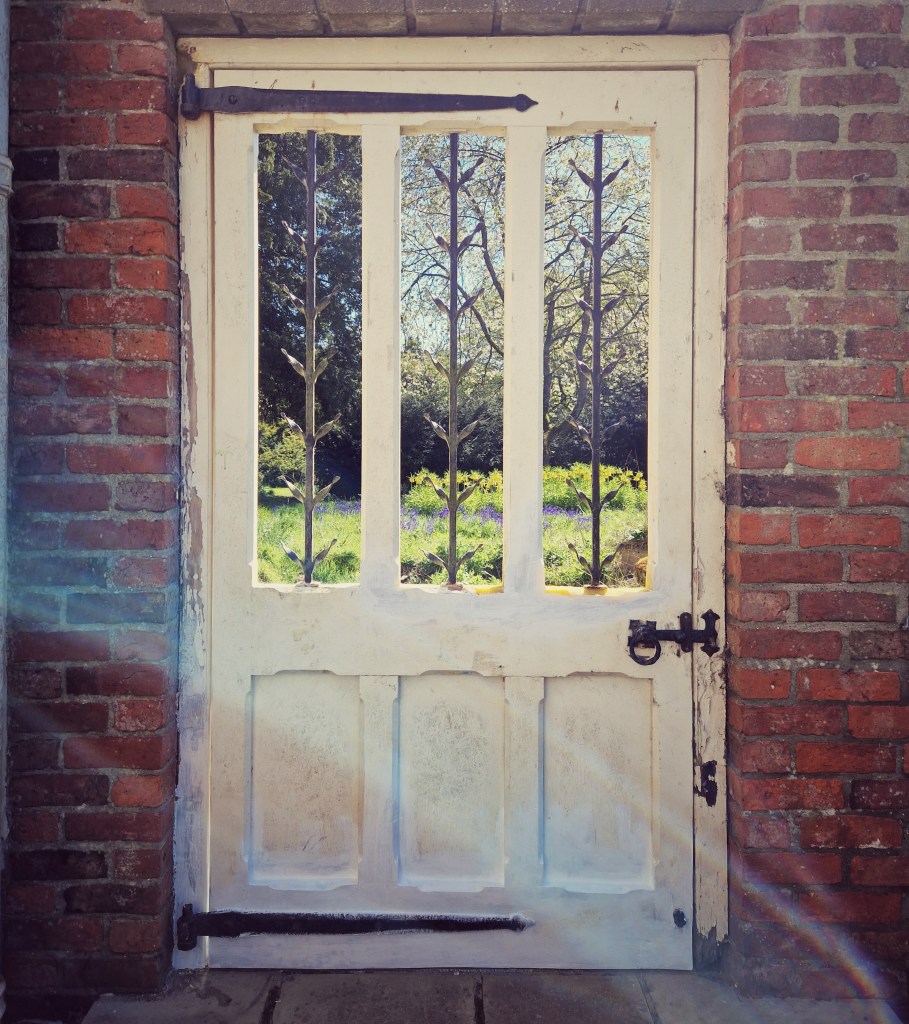
This beautiful old gate looks fantastic now but did look a bit sorry for itself before I got to work on it. I’m not sure exactly how old the original gate is but it’s been stood here for at least 50 and some repairs had been carried out on it before but unfortunately these hadn’t lasted.

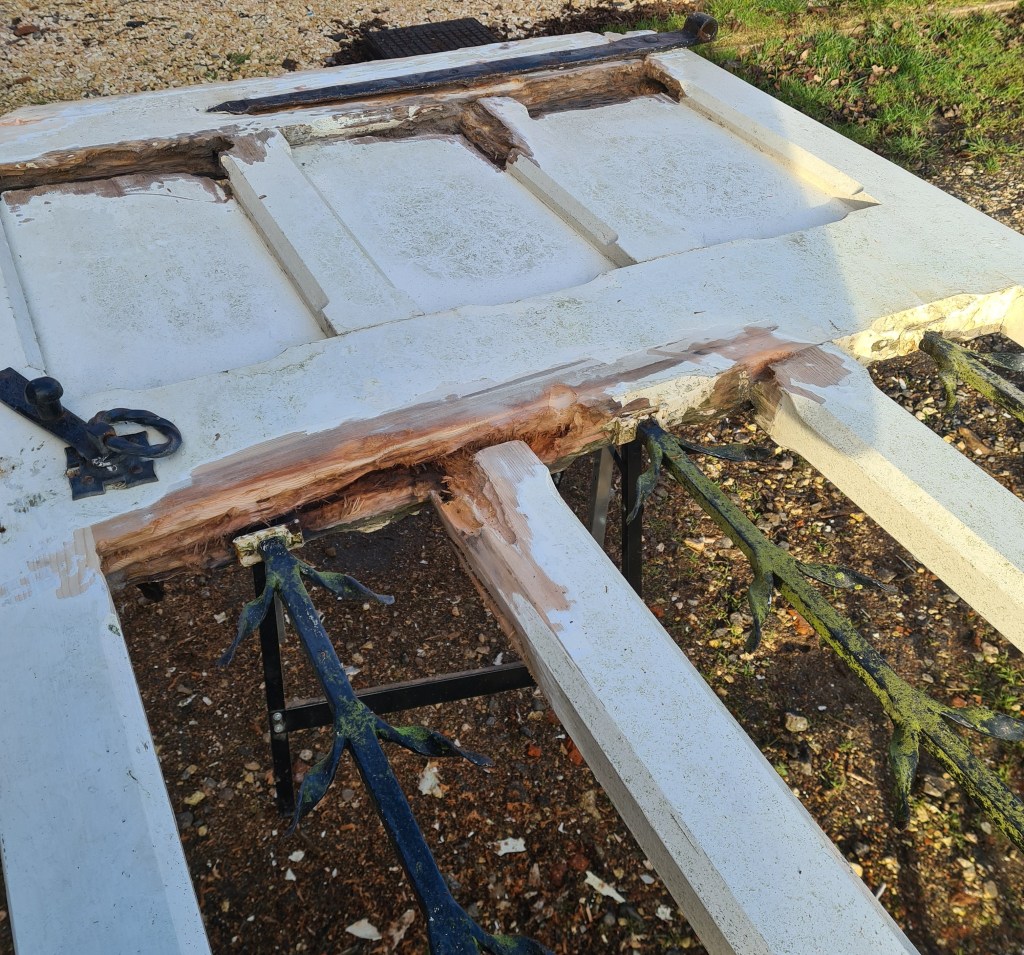
First job was to lift the entire gate off it’s hinges and get all of the rot stripped out of it and see just how bad the damage was. At this point a friend of mine who’s a painter happened to call round to the workshop and was adamant that this was not repairable and would need to be replaced. Whilst that would have been an option it would have been a real shame to loose all the original timber, not to mention the expense.

After the messy job of stripping the gate down outside it was time to get it into the workshop and get on with the repairs. Once all the rot was removed and paint sanded down all of the areas to be repaired were prepped with Repair Care Dry Fix Uni to stabilise the remaining wood and provide a good substrate for the resin to bond to.

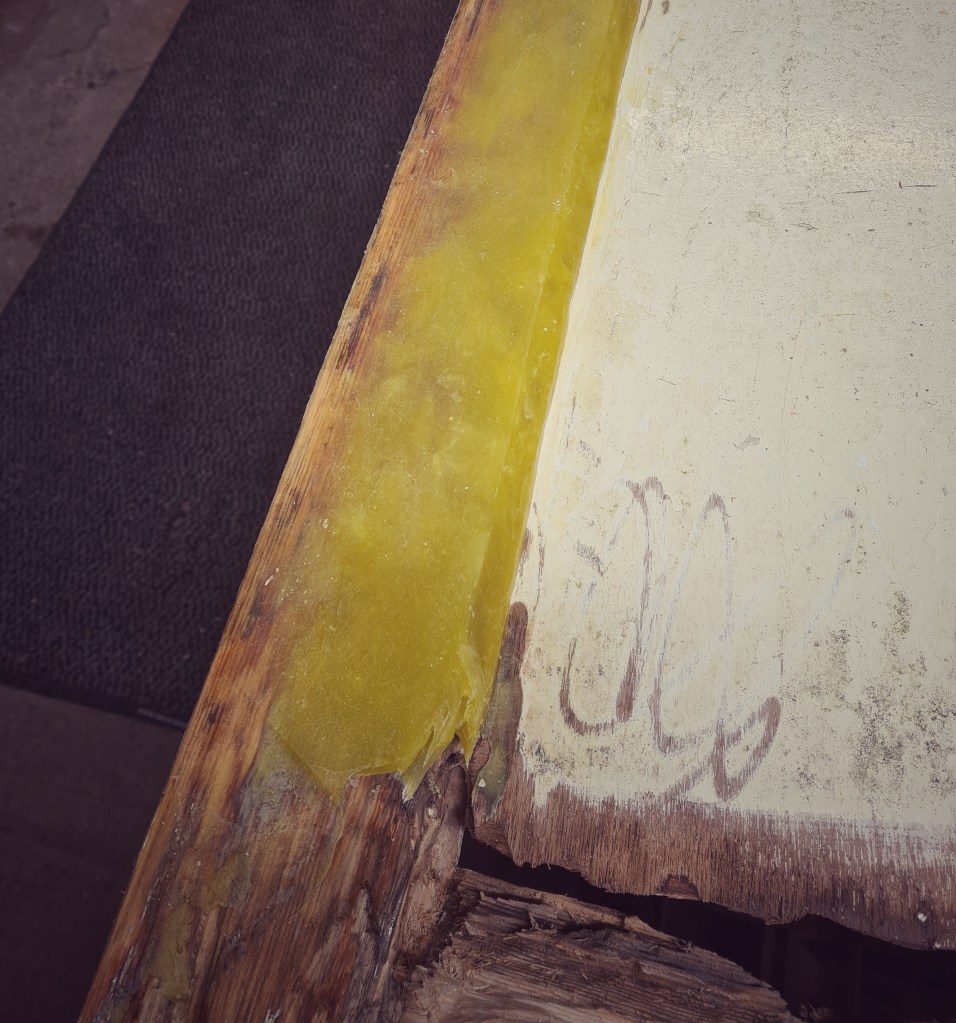
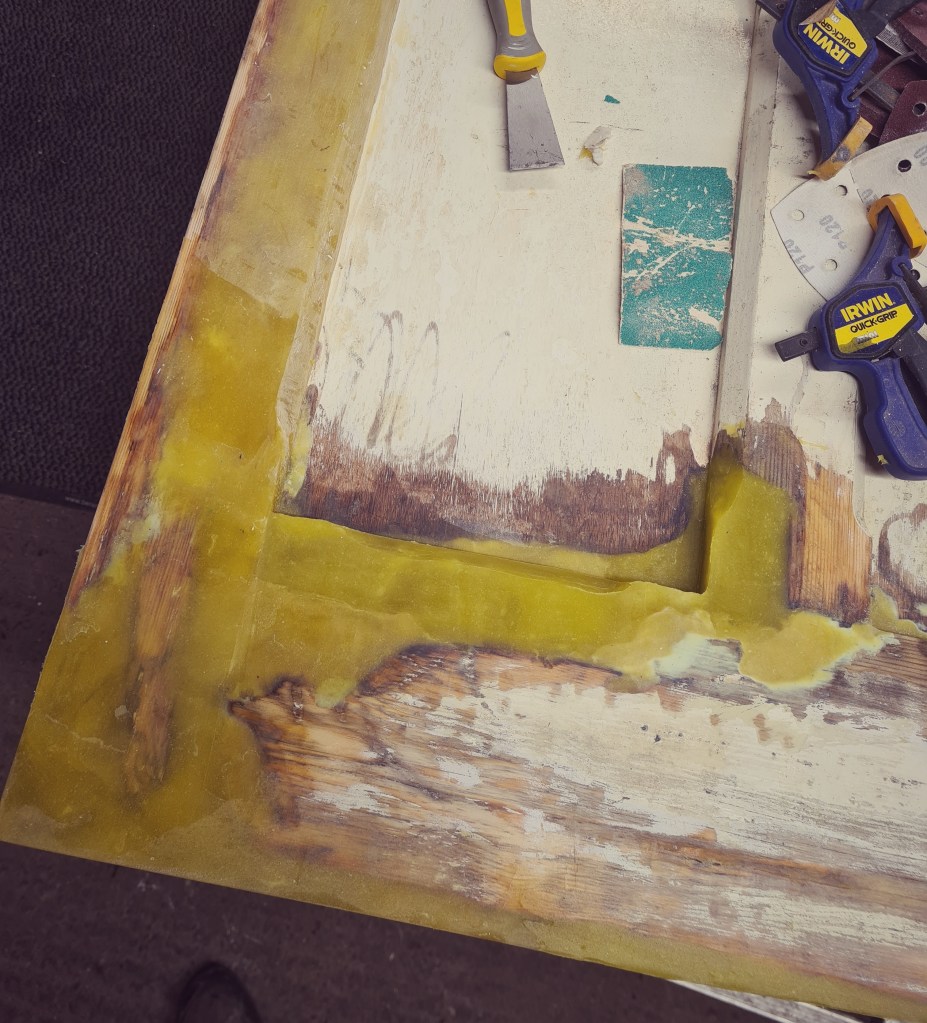
Because the repairs were quite big I used Repair Care Dry Flex 16 this to allow me more time to work with it and because it’s better suited to bigger repairs. Some areas had I had to build in stages and all the shaping was done free hand.

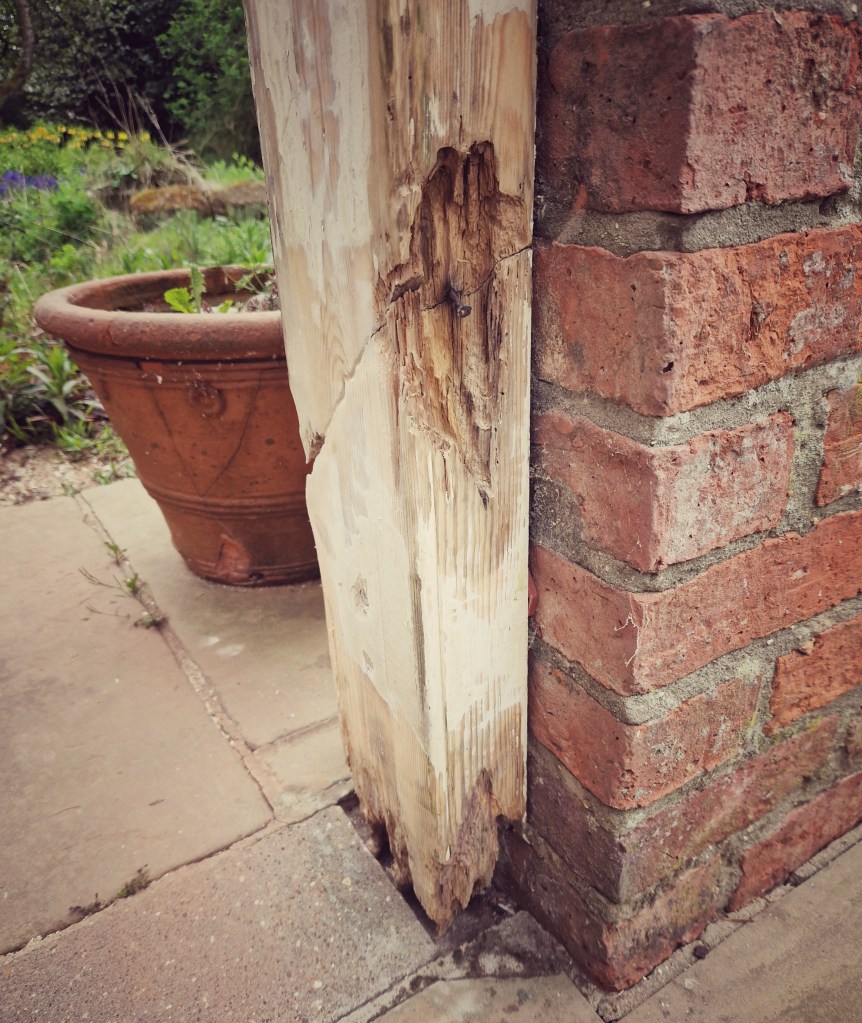
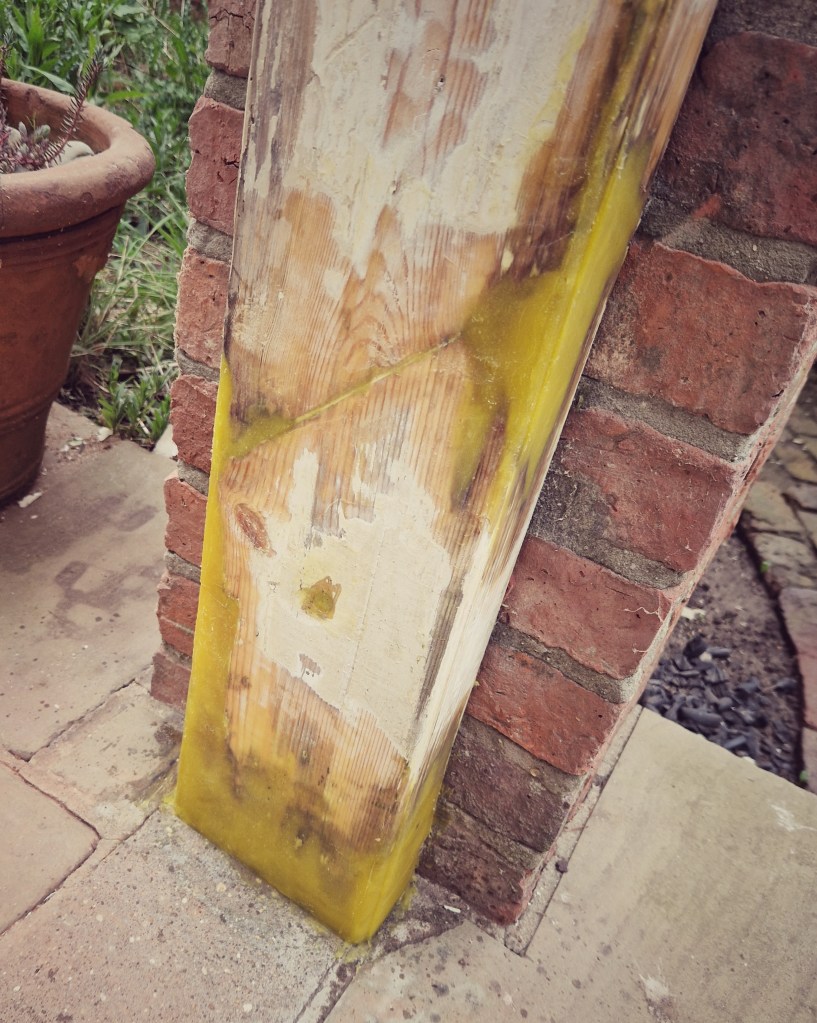
As well as the gate the frame was also in poor condition and I could start to repair this whilst the gate was still in the workshop curing. You will see from the photos the frame had been previously repaired with new timber and the splicing line that had failed allowing water in and rot to develop.

One of the qualities of the Repair Care Resin is that once cured it flexes with the wood and creates a really durable long lasting repair that won’t crack or let water in like the previous repair.

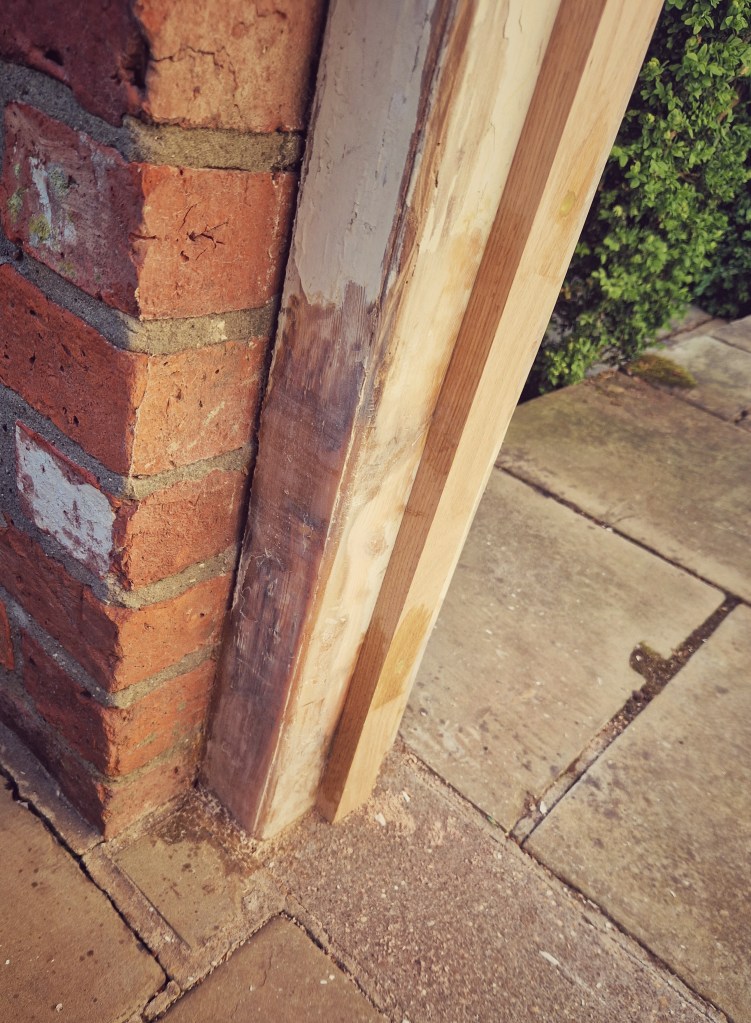
After sanding the repair down all that was left to do was replace the door jam with a new piece of timber. For this I used hardwood for a long lasting repair. It’s always the part of a frame that takes the most stress.

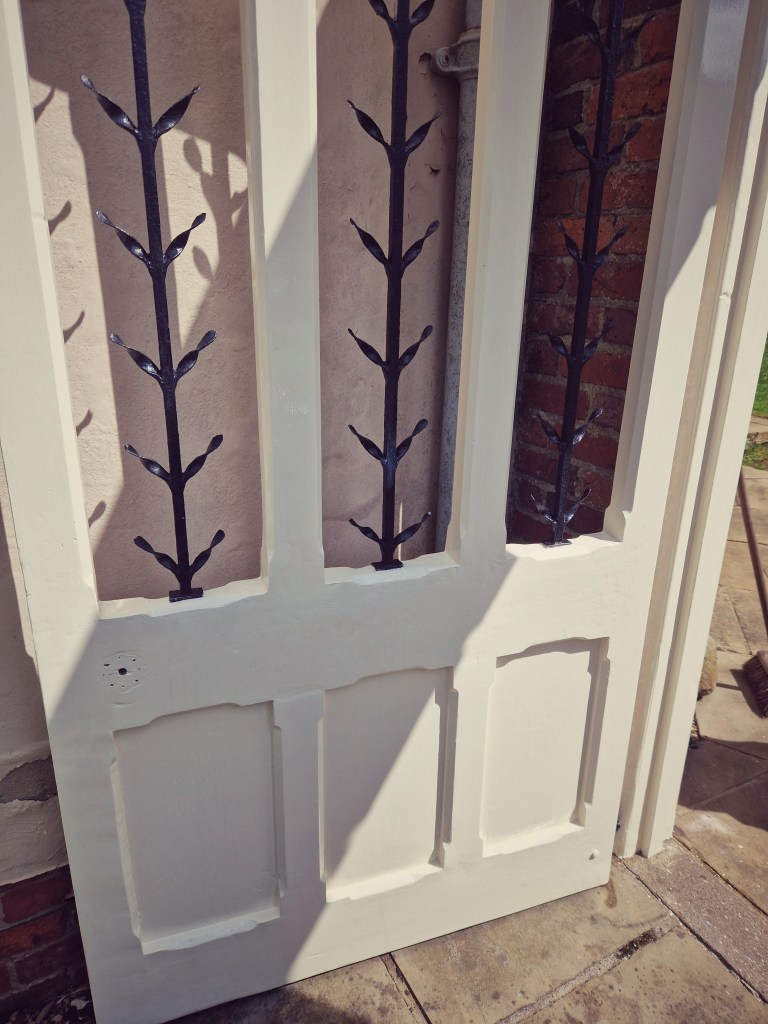
The gate was decorated using the three part Dulux Weathershield system, this was the high gloss finish in Gardinia. When my friend the decorator came back to have a look he was blown away by the repairs that I’d done.

This repairs to the gate and frame took 14 hours spead over 5 days to complete.

Bathroom window with extensive rot and decay.

This beautiful window has certainly seen better days, it’s a more modern reproduction made c1960s and compared to the other windows in the house the wood is not to the quality of the much older windows. Nevertheless it’s still important to preserve this wood where possible and you’ll see in following photos that using the resin means much more of the original wood has been saved.

Rot and decay has been removed from the sill and frame and Dry Flex 4 has been applied.

First job is to assess what repairs will be necessary and strip out all the rotten wood and decay. It was clear from the start this window would need to have the sashes removed as bottom right corners on both were very badly damaged. Repairs to the sill and cheeks were carried out first using Repair Care Dry Flex 4, and the sashes removed to take back to the workshop.

Once the resin has cured everything is sanded back and blended in with the old wood and undercoated.

The beauty of the Repair Care System is each resin has been specially designed to work with the wood, flexing and moving, unlike traditional fillers that crack and drop out after a short period.

Bad patch of decay on the top sash, will require large rebuild.

On both sashes the bottom right corners were in a bad state, due to the way the house faces this side gets the worst winter weather and very little sunshine. On inspection of further windows on this side of the house all have damage in the same places.

Glass removed and timber all stripped back to good wood ready to be primed with Dry Flex.

Once the damage is all stripped back and all that is left is good solid wood the rebuild can begin. The glass has safely been removed, cleaned and stored ready to refit once the repair has been completed. To complete this repair I used a combination of free hand and shuttering to get the correct shape.

Missing section rebuild with Dry Flex 16 resin and ready to sand and finish.

The main corner has been rebuilt with a slower curing resin the maximize the strength and durability of the repair. Once cured all is sanded down and blended with the old wood to create a seamless repair.

Sanded and blended ready for glazing.

Old glass is then refitted using Dry Seal MP flexible putty replacement that will not crack and fall out like putty, but still gives those lovely putty lines around the pane of glass.

Glass fitted and ready for all the final touches.

A few remedial repairs were carried on it on the bottom sash to replace the rotten wood and give back a nice sharpe line.

Looking tip top again without having to replace the whole section of wood.

Both sashes for this window were then painted inside and out with Dulux Trade paints ready to be reinstalled into the frame.

Reinstallation for this window including fully discreet draft proofing, new sash cords and weights rebalanced so the both top and bottom sashes open fully and smoothly. When closed there’s no draft or rattle of the sashes and the window looks goods as new, with a repair that should last now for the rest of the windows life.