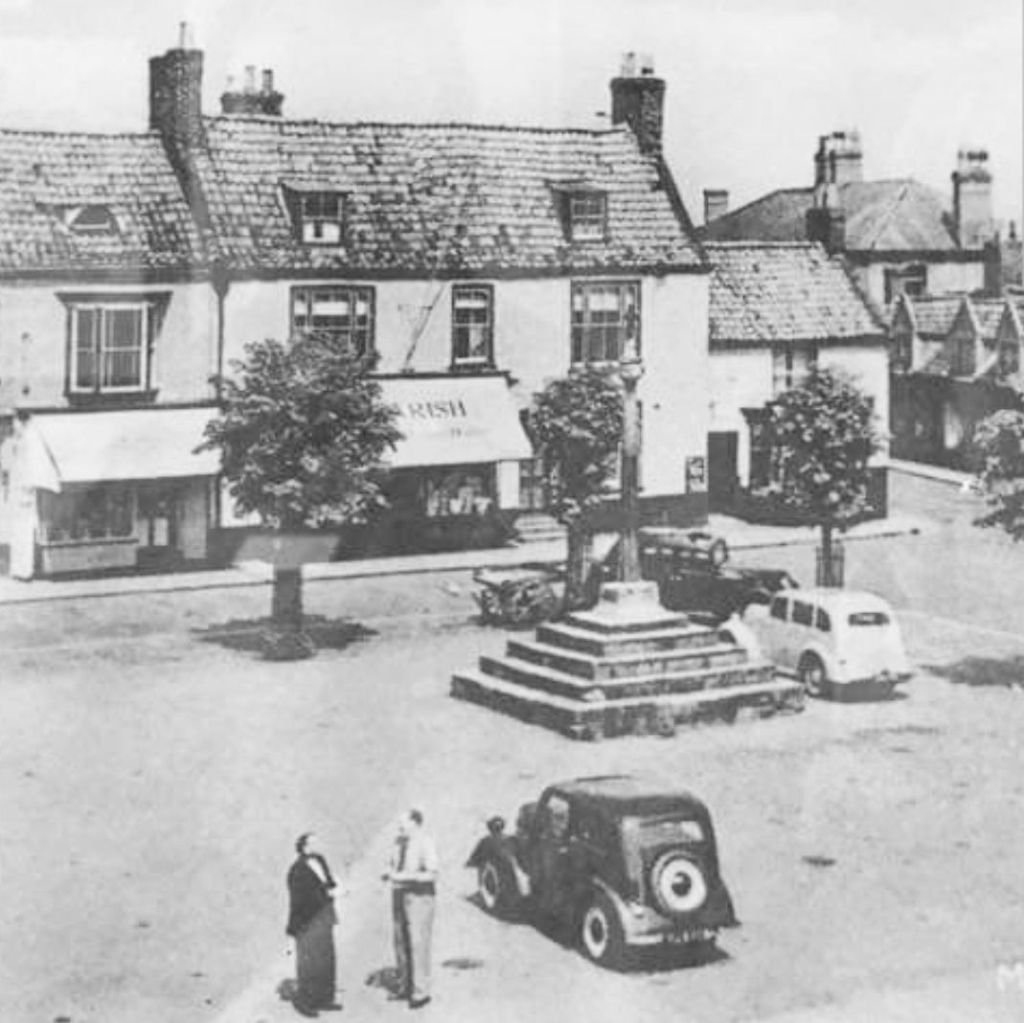
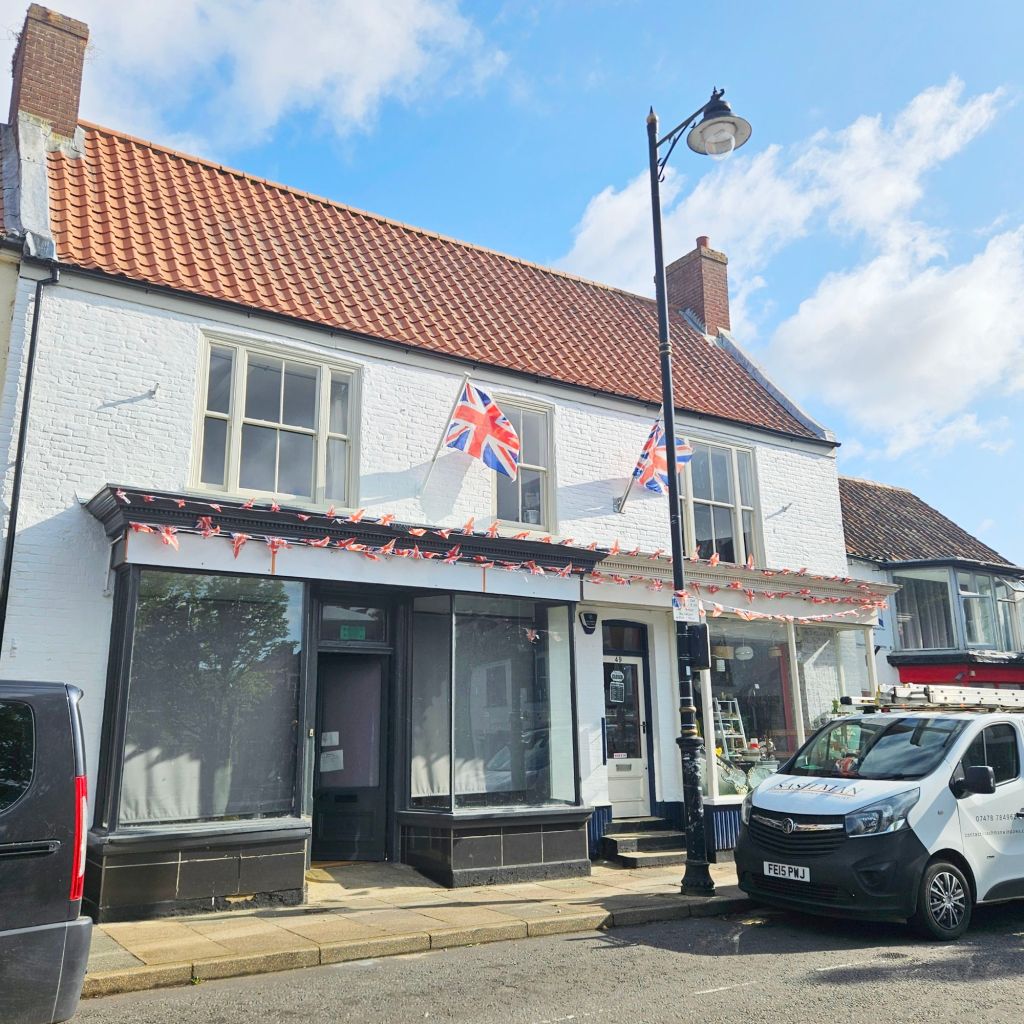
Right in the centre of Spilsby stands a familiar building. It began life as a Georgian townhouse, later became two shops, and is now a much-loved part of the market square. The old photograph from the 1940s shows how long these first-floor sash windows have been part of the town.
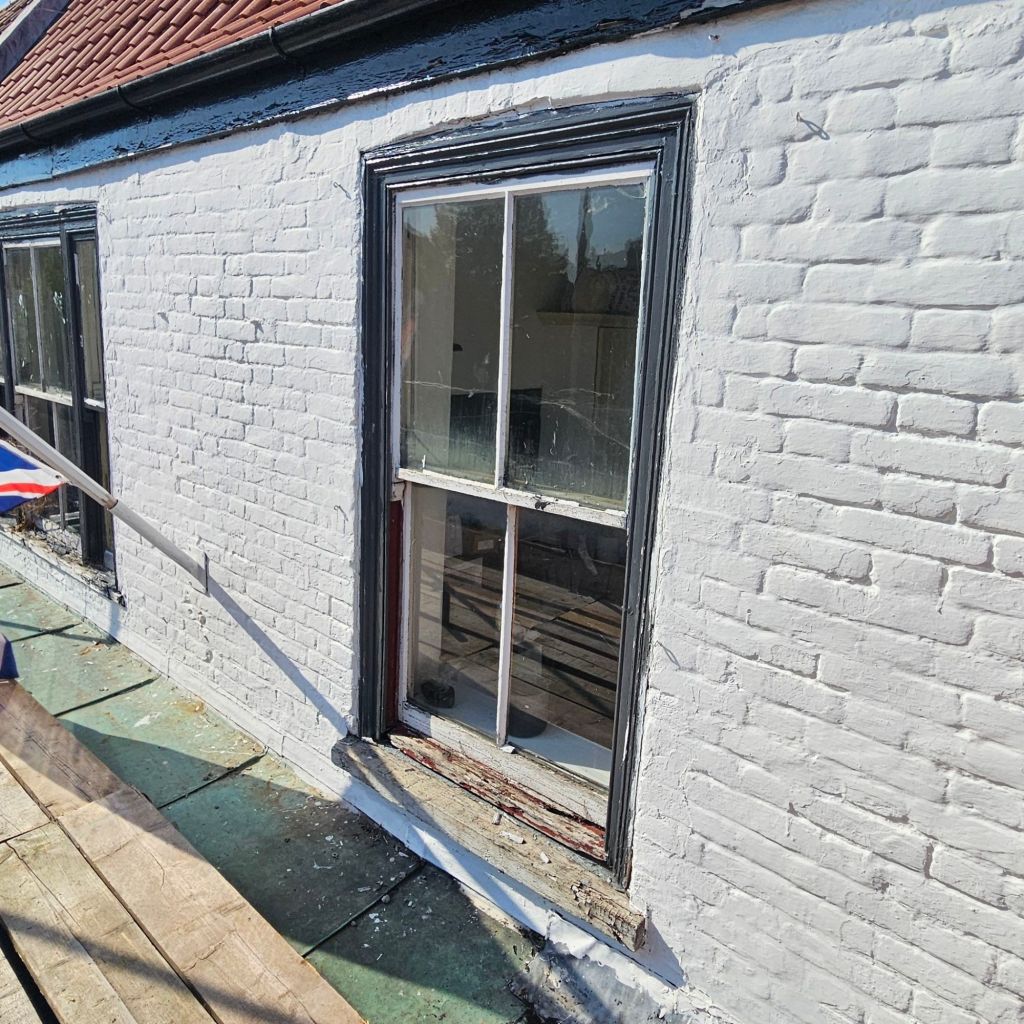
When I was asked to restore the three windows on the front elevation, it was clear they had been through a lot. Modern paints, heat damage, patch repairs and the simple passage of time had all taken their toll.
A Tough First Look
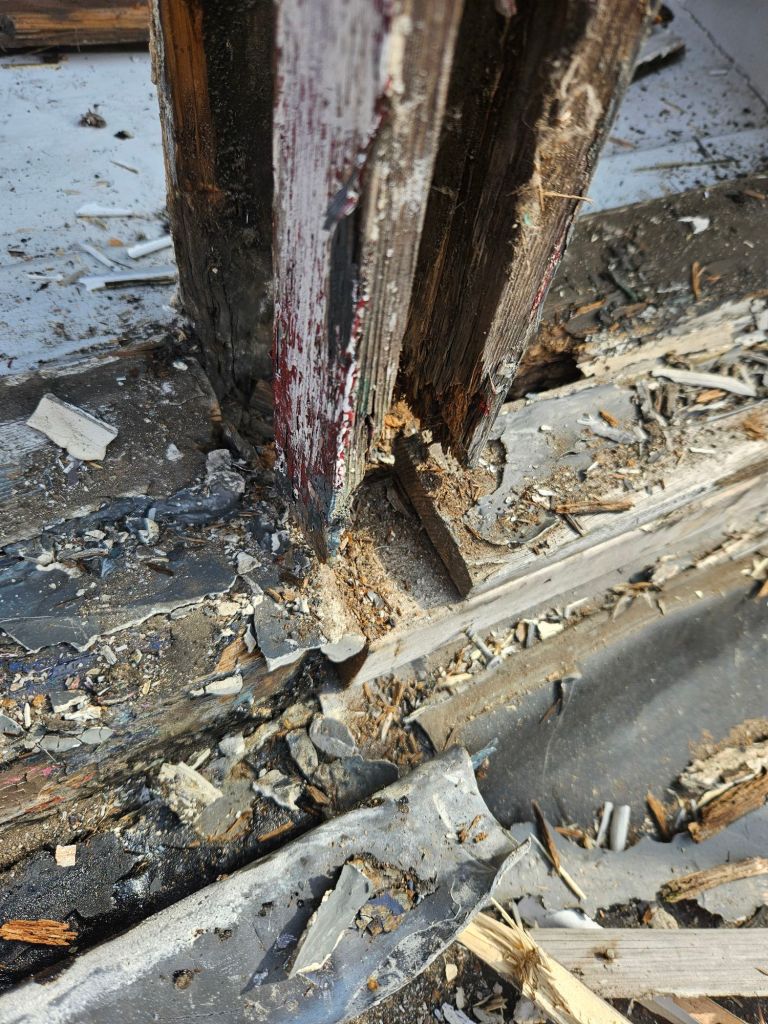
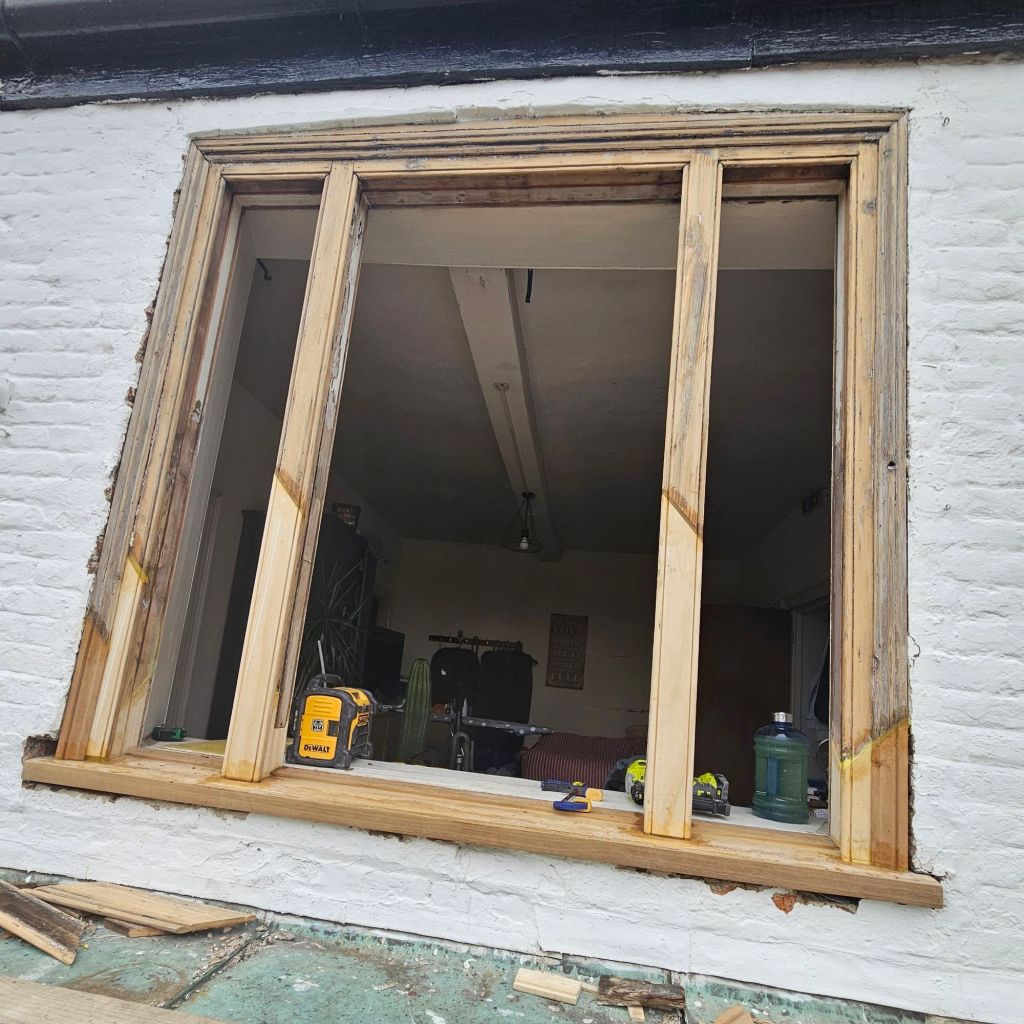
Every sill on all three windows was completely rotten. Not just soft. Completely gone. The decay had travelled up into the pulley stiles and lower box sections and in some places the timber crumbled at the lightest touch.

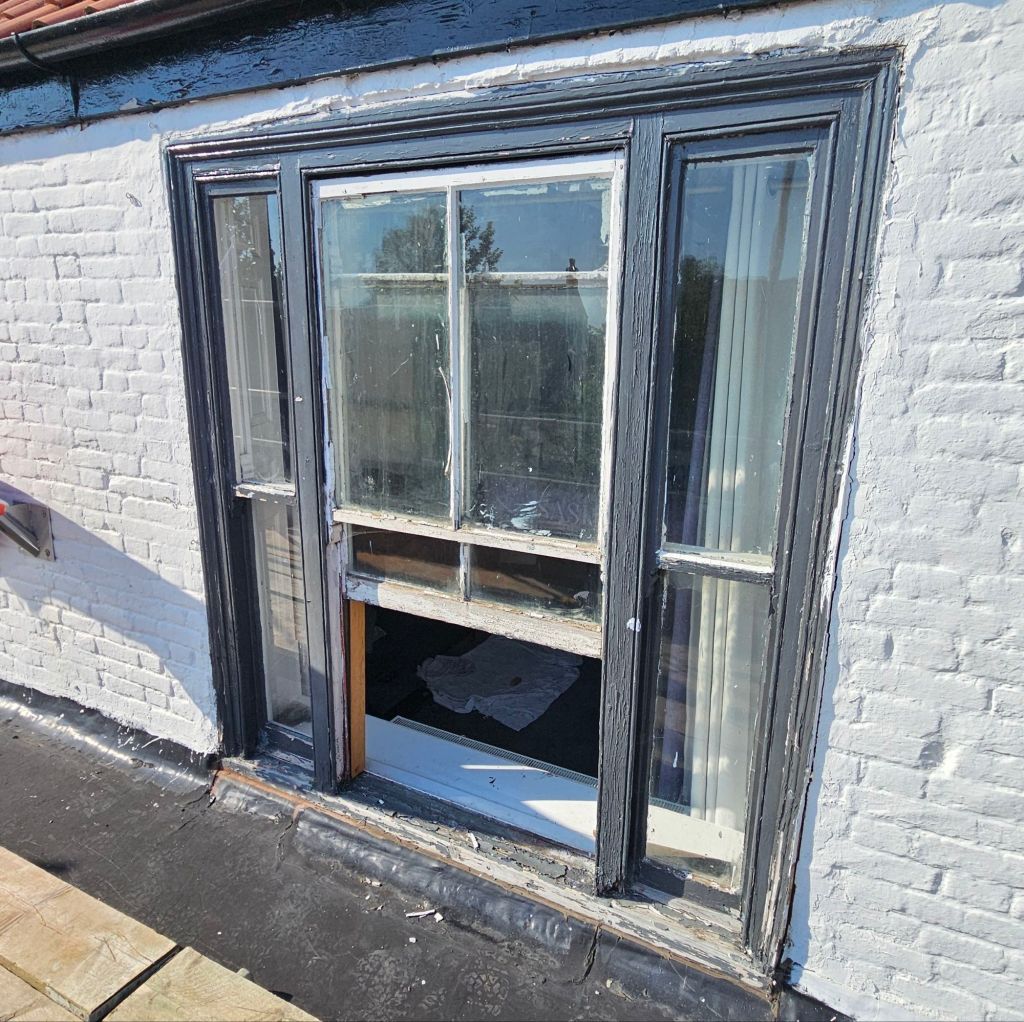
On a building of this age you expect surprises. That is why proper restoration matters. Under the failed paint and filler were sashes and frames that had been made with real skill in the mid-1700s and later adapted in the Victorian and modern periods. They were still worth saving.
Stripping Back and Assessing the Damage
All three windows were taken right back. Sashes removed and taken to the workshop. Frames stripped and cleaned so every joint and section of timber could be inspected clearly.


The bottom ten percent of each window needed a full rebuild.
The sills were completely destroyed.
The lower box frames had deep decay pockets.
Some joints had opened because of repeated thermal movement. The decorator’s use of a dark grey paint had not helped. On a south-facing wall the frames had absorbed huge amounts of heat which caused warping and cracking.
Choosing the Right Materials
For work on historic buildings the materials must be chosen carefully.
Iroko hardwood was used for the new sills. It is naturally durable, clean to work with and visually suits period joinery. These windows are wide and the new sills were made in one section to match the original profile.
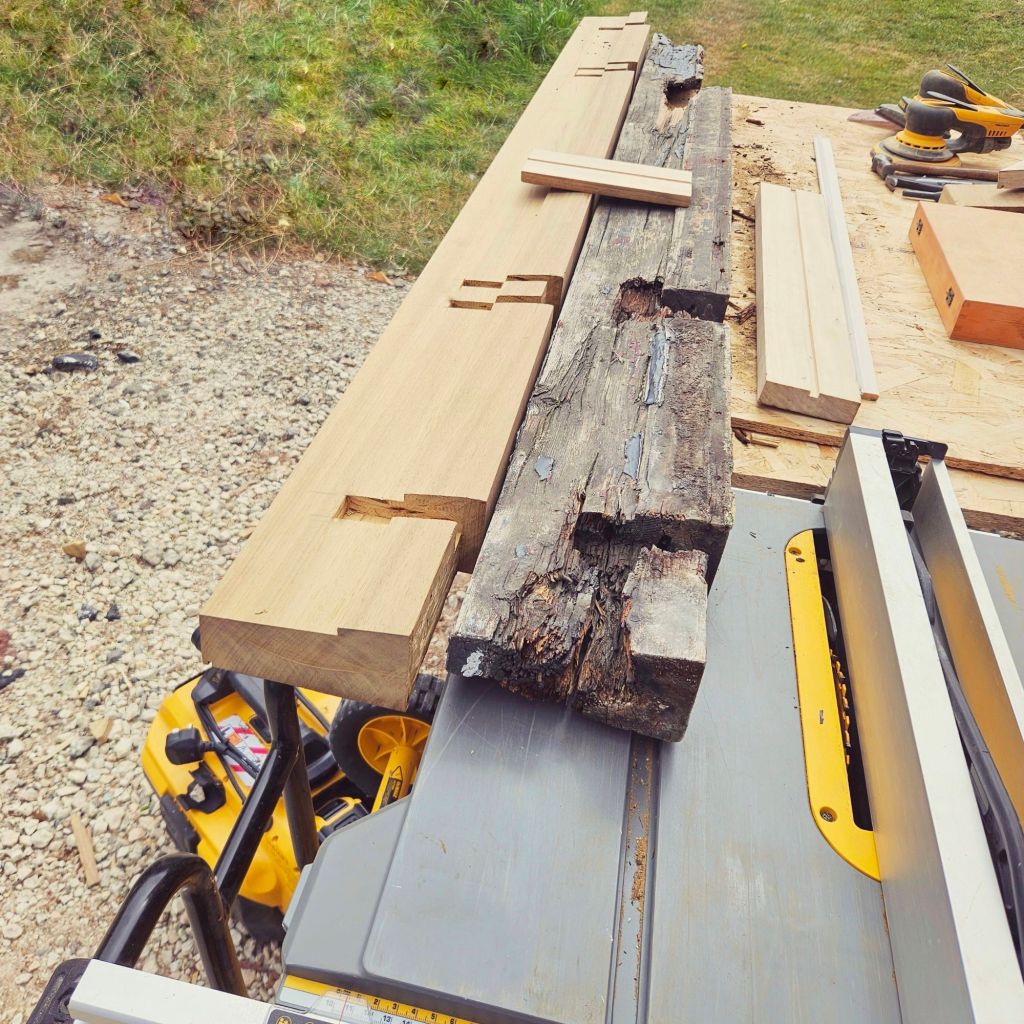
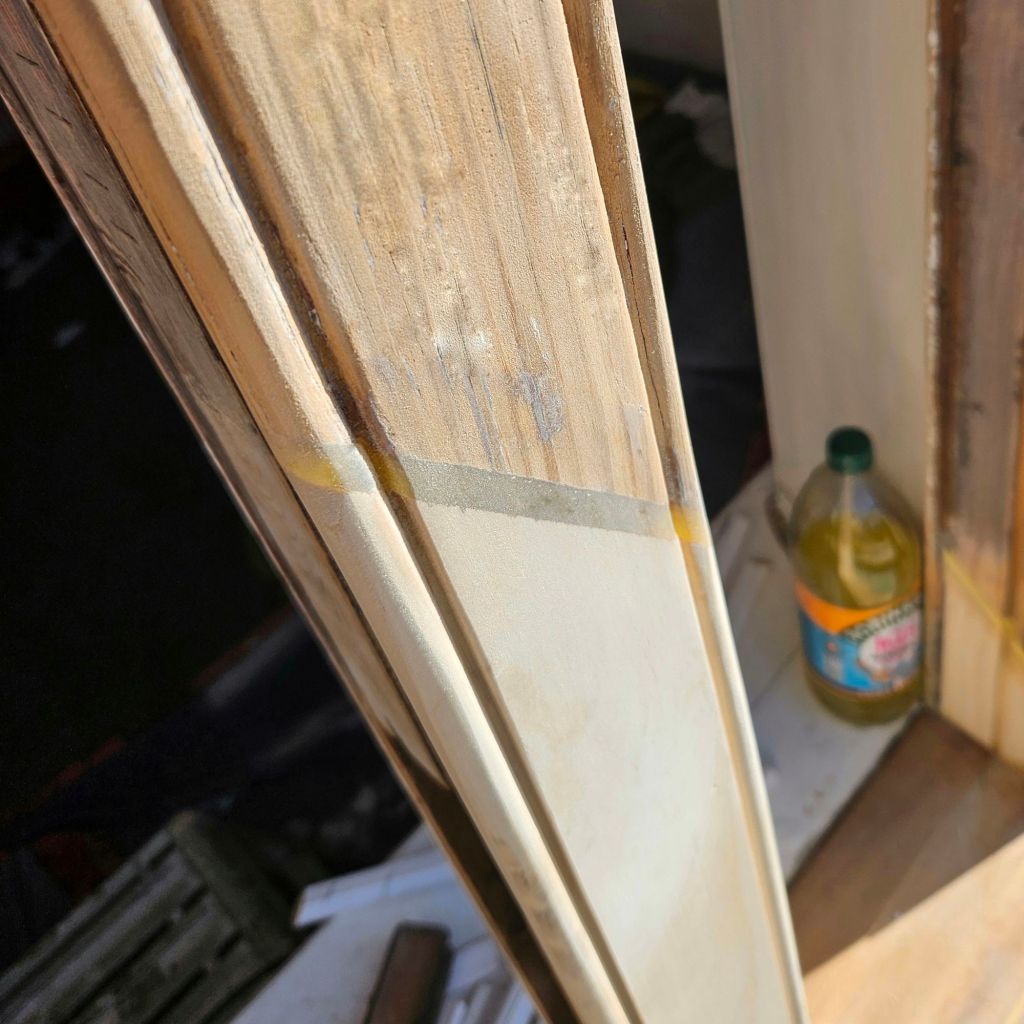
Accoya was used for all donor splices and replacement sections. It is extremely durable and very stable which means it behaves far more like original Georgian timber than most modern softwoods.
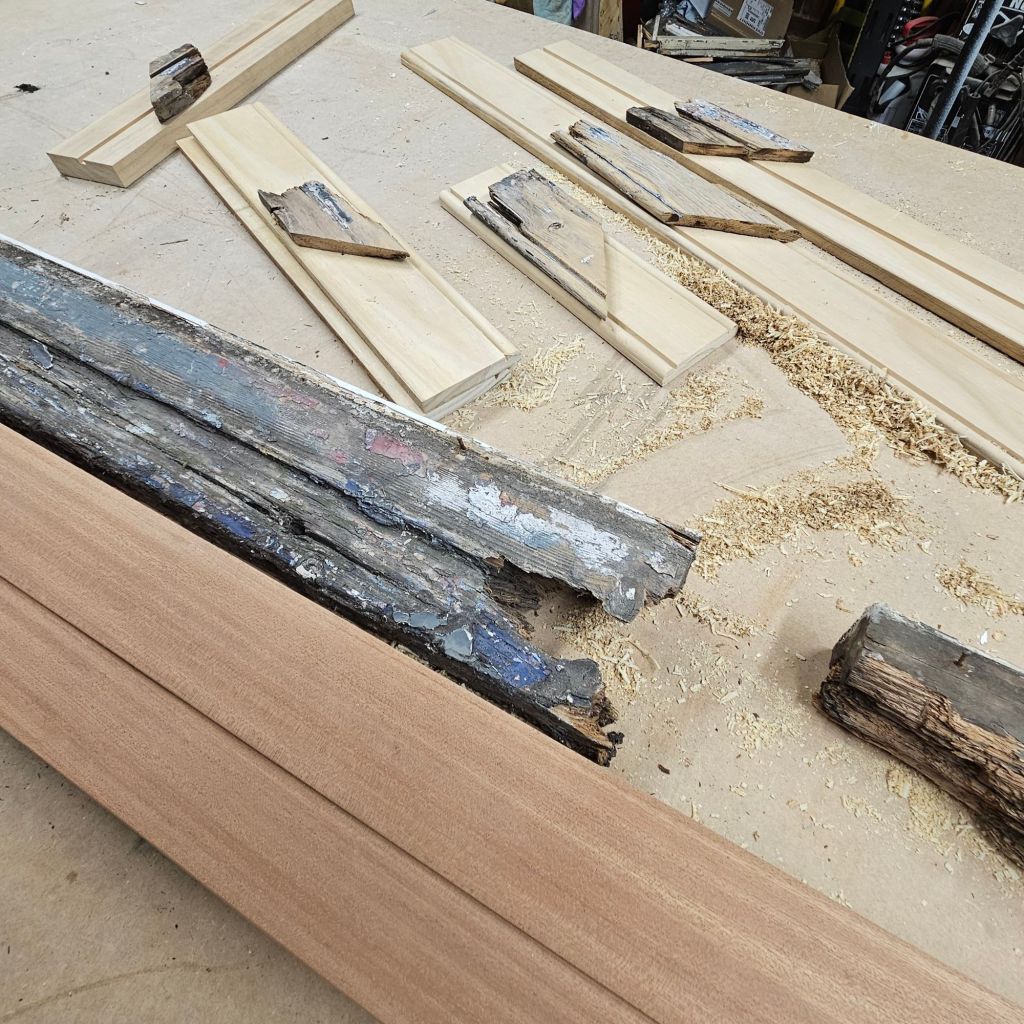

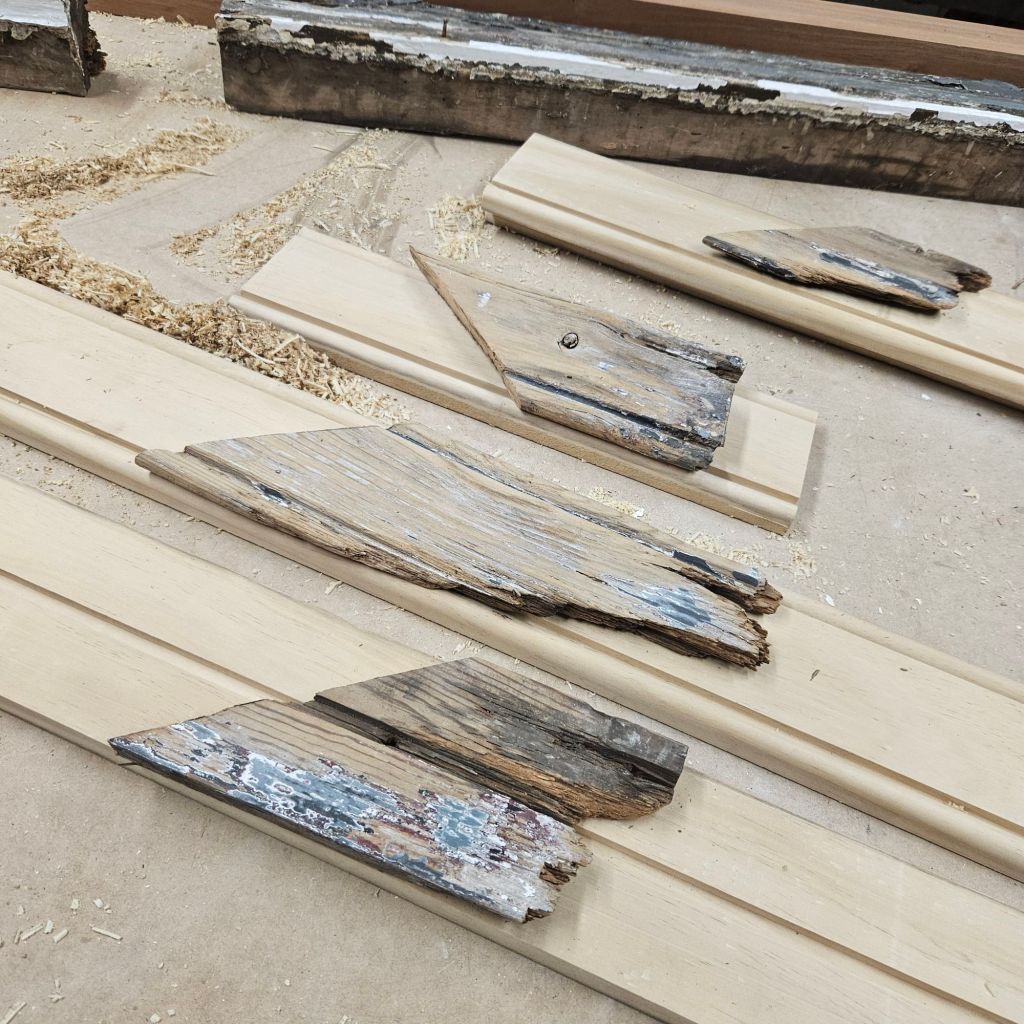
Every splice was bonded using the Repair Care resin system. This creates a flexible and long-lasting joint that will not crack or allow water to creep back in.

Workshop Repairs on the Sashes
Back at Sash Man HQ, the sashes were stripped down and fully restored.
The original glass was removed and cleaned.
All joints were inspected and resin conservation joints added to strengthen the mortices.
Damaged timber was removed and replaced.
The sashes were primed with Teknos and reglazed with the original glass.
The same finish was applied for a clean and unified appearance.
The conservation joints help extend the life of the sash by adding a resin bridge to the existing joint, they resist water ingress and absorb movement between to two sections of the timber.

Reinstallation and Final Result
Once the frames were repaired and the sashes refurbished, everything was put back together.
New sash cords were fitted.
Weights were balanced correctly.
Clearances were adjusted so the windows slide smoothly and seal properly.


Microporous Paint and Why It Matters
Incorrect paint had caused a lot of the original damage. Heavy modern gloss traps moisture and once water gets behind it the timber has no way to dry. That is when sills begin to rot from the inside out.
The Teknos system is microporous. It seals and protects the timber completely but still allows moisture to escape slowly through the coating. This is essential on a historic building because it prevents water becoming trapped inside the frame.
Microporous paint is also flexible. It moves with the timber instead of becoming brittle, which is especially important on a south-facing elevation. The previous dark grey finish absorbed a great deal of heat, causing excessive movement in the timber and placing unnecessary stress on the paint film, leading to premature failure. The new colour choice, New White from the Farrow & Ball heritage catalogue, is far more sympathetic to the age and character of the building and reflects heat rather than absorbing it. This keeps the timber cooler, reduces movement, and helps ensure a longer-lasting, more stable finish.
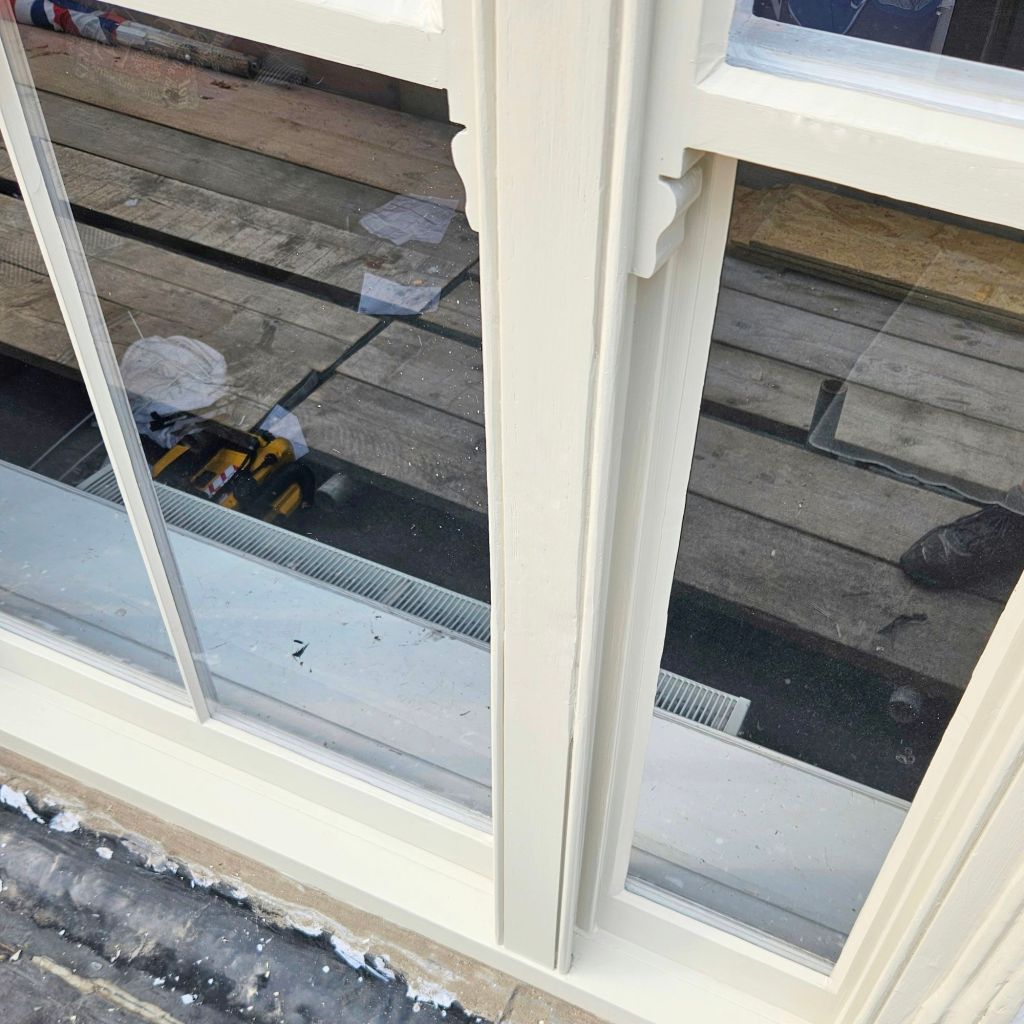
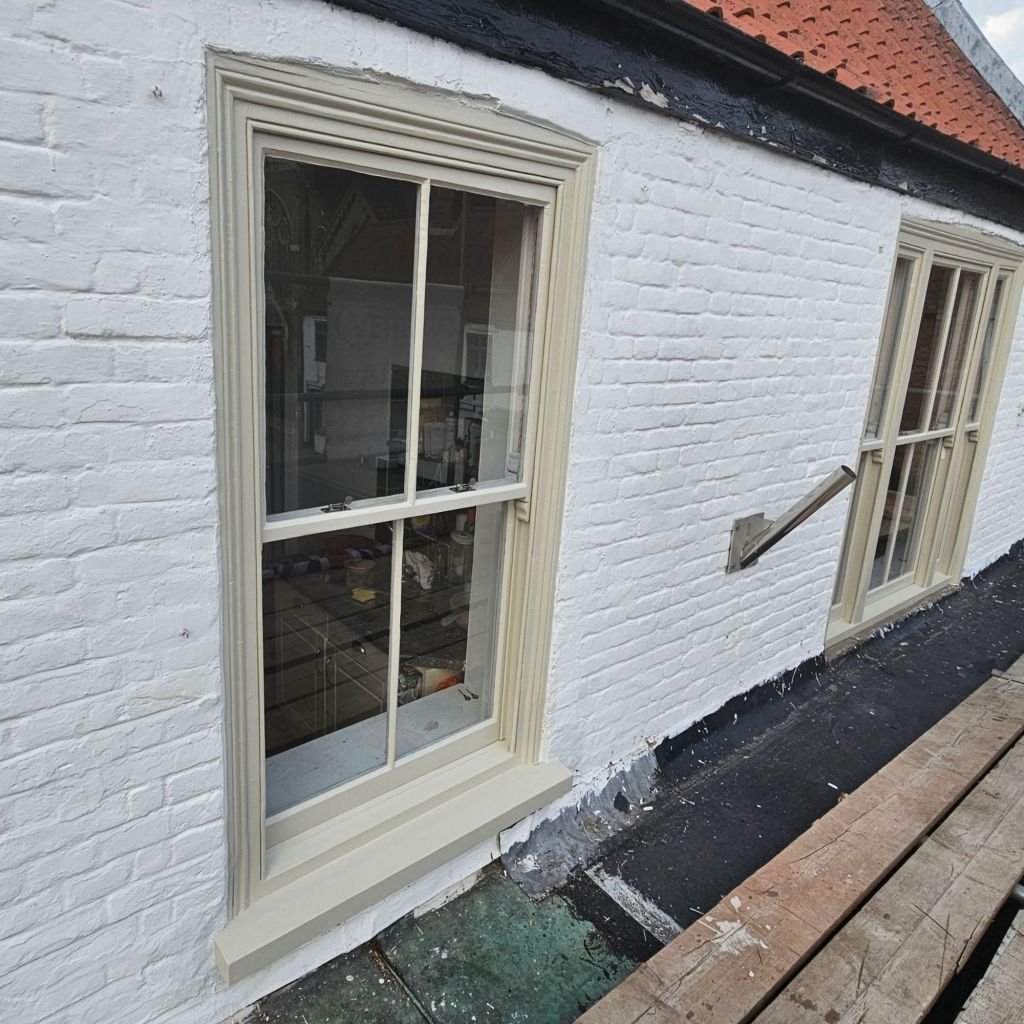
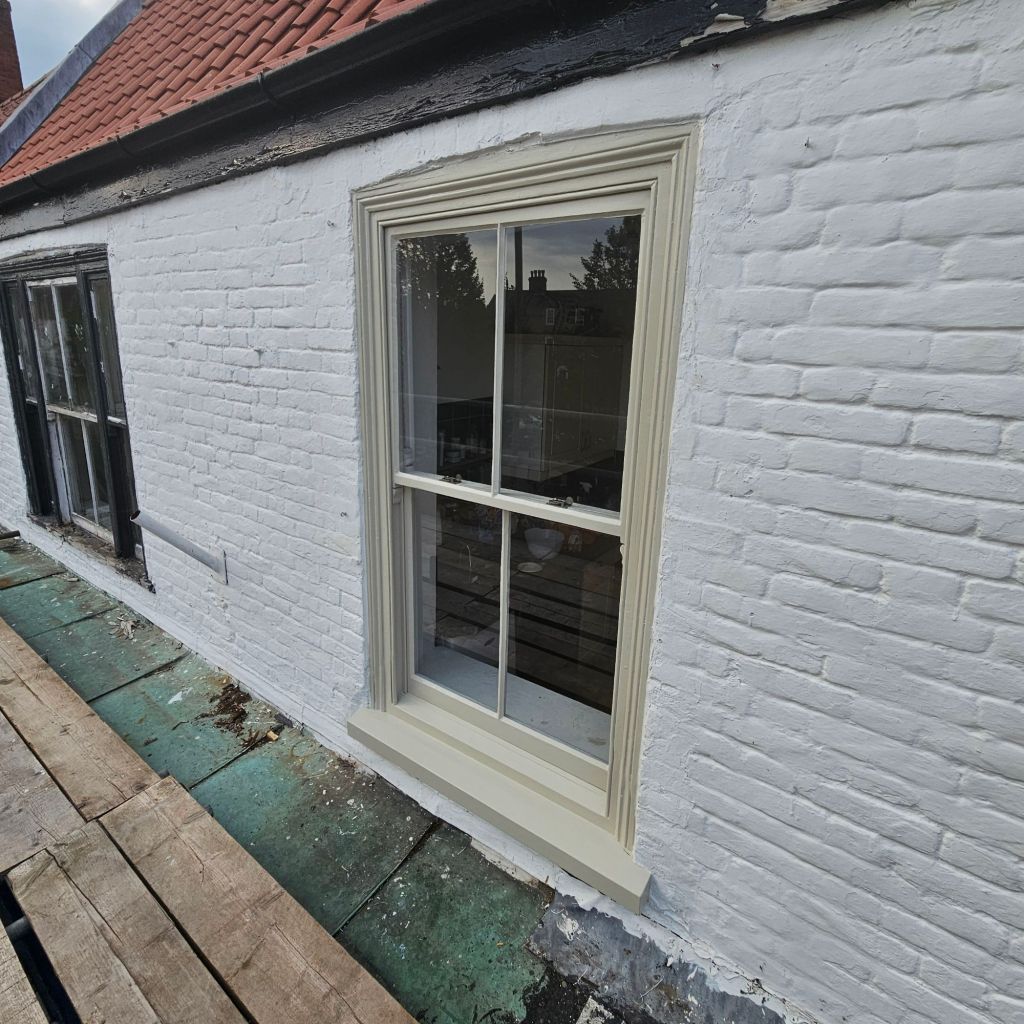
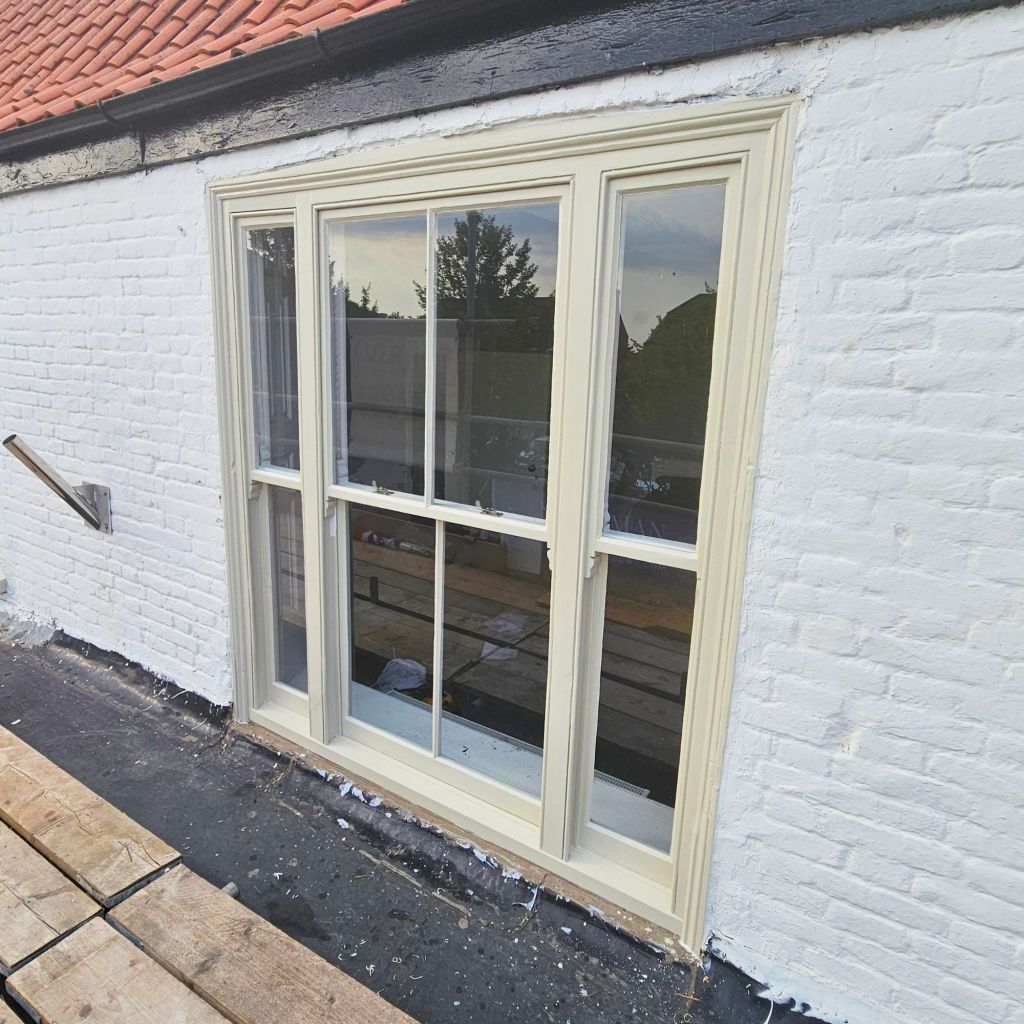
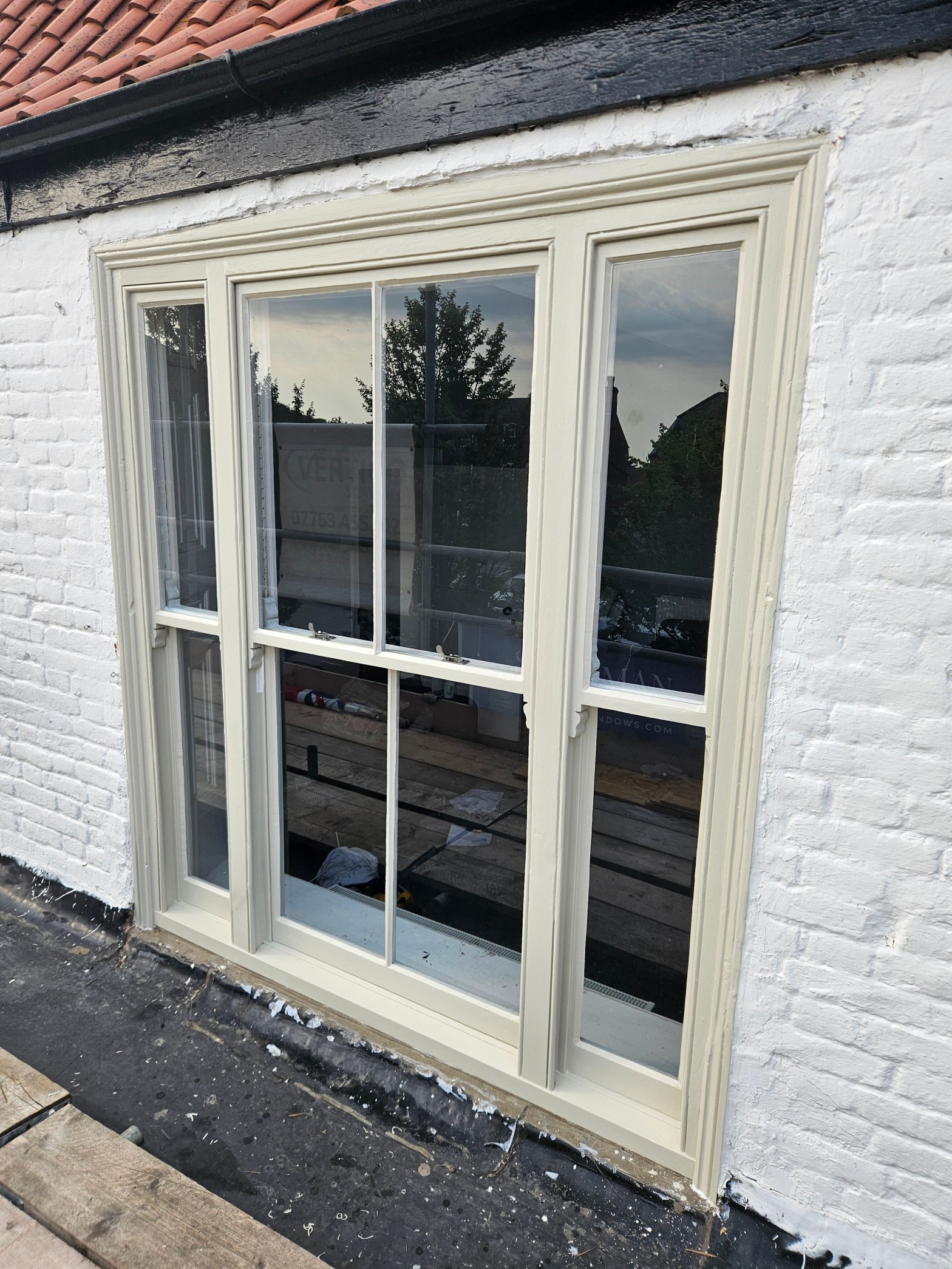
The result is a handsome frontage that looks authentic and true to the age of the building. The paint no longer overheats. The frames can breathe. The sashes move as they should.
A Piece of Spilsby Heritage Brought Back to Life
This property has changed many times in its 250 years, but the sash windows have always been part of its identity. Restoring them felt like returning a little piece of the town’s history to its rightful state.
The windows are now solid, draught-free, smooth in operation and ready for many more years of service.
 Sash Man